ENV-KUWAIT-SUSTAINABLITYKuwait strengthens environmental sustainability through strategic initiativesBy Zahra Al-Kadhmi

HLT-KUWAIT-SURGERYKuwait advances health sector with robotic, remote surgeryBy Mohammad Al-Moseb

Saudi Arabia’s Voluntary Carbon Market Fuels the Shift to a Low-Carbon

Under UAE President’s directives, UAE launches urgent relief response for Ghana flood victims

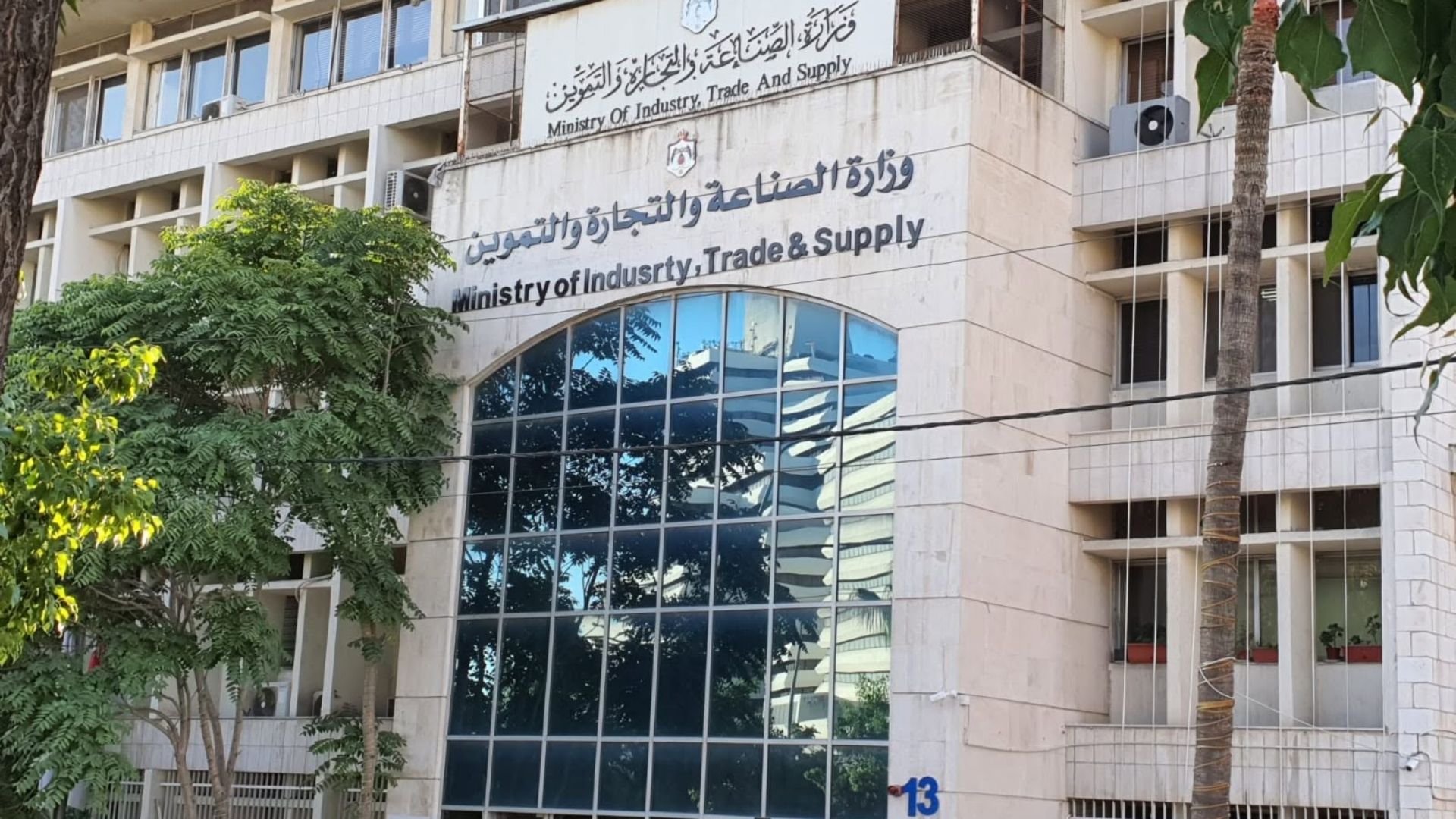
Amman, June 29 (Petra) – The Ministry of Industry, Trade and Supply
said on Monday that a package of proactive measures it implemented
recently largely contributed to maintaining the stability of local
markets, ensuring an abundance of essential goods, stabilizing
prices, and protecting citizens’ purchasing power.
It cited in a statement to Petra that challenges posed by
geopolitical developments in the region and the repercussions of the
closure of the Strait of Hormuz and its impact on global trade and
supply chains.
The ministry said a high level of preparedness and contingency plans
implemented in cooperation with various government agencies and the
private sector enabled the Kingdom to navigate through these
circumstances with no shortages of essential goods or market
disruptions.
It assured that the strategic reserves of food supplies remained safe
and reassuring.
Minister of Industry, Trade, and Supply Ya’rub Qudah led a series of
intensive meetings with representatives of the commercial and
industrial sectors, importers, and chambers of commerce and industry
to monitor market conditions and supply chains to identify and
address any challenges facing import, transport, or customs clearance
operations.
The ministry said it formed a crisis cell to monitor regional
developments and their impact on supply chains and strengthened
coordination with the commercial and service sectors to ensure a
rapid response to any developments.
Furthermore, it banned the export of several basic food items during
regional tensions as a precautionary measure to maintain a supply of
goods in the local market and enhance national food security.
As part of strategic stock management efforts, the ministry said it
continues to monitor food stock levels daily, assuring that reserves
of essential commodities, including wheat and barley, are enough for
six to ten months, in addition to rice, sugar, oils, and legumes.
The measures ensured an uninterrupted supply of goods to meet local
market needs, despite increased shipping costs and additional fees
imposed by some international shipping lines, it pointed out.
The Ministry stressed that the Jordanian market operates according to
supply and demand mechanisms, under effective government oversight
with staple commodity prices being monitored regularly.
//Petra//SS