ENV-KUWAIT-SUSTAINABLITYKuwait strengthens environmental sustainability through strategic initiativesBy Zahra Al-Kadhmi

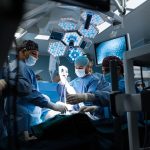
HLT-KUWAIT-SURGERYKuwait advances health sector with robotic, remote surgeryBy Mohammad Al-Moseb
Saudi Arabia’s Voluntary Carbon Market Fuels the Shift to a Low-Carbon
Under UAE President’s directives, UAE launches urgent relief response for Ghana flood victims


Amman, June 30 (Petra) – Central Bank of Jordan (CBJ) Governor Adel
Sharkas said Jordan’s economy grew by 2.9% in the first quarter of
2026, up from 2.7% a year earlier, attributing the improvement to
government measures and the resilience of the national economy.
In a statement to Petra on Tuesday, Sharkas said the first-quarter
growth exceeded the World Bank’s 2026 forecast of 2.6%, reflecting
the effectiveness of economic policies and ongoing reforms.
He said the government supported economic activity by accelerating
economic programmes, improving the business environment, settling
more than JD280 million in arrears owed to private-sector companies
and introducing measures to support key sectors.
Sharkas said growth was broad-based, led by agriculture, which
expanded by 6.8%, followed by manufacturing at 5.3%, mining and
quarrying at 4.7% and electricity at 4.3%.
He added that wholesale and retail trade, transport and storage and
financial and insurance activities also recorded growth.
He said Jordan’s foreign currency reserves reached $27.4 billion,
enough to cover around 9.5 months of imports, while inflation
averaged 1.88% during the first five months of 2026.
Sharkas added that remittances from Jordanians working abroad rose
13.3% to $1.6 billion in the first four months of 2026, exports
increased 1.6% to around $3 billion in the first quarter and tourism
revenue reached approximately $2.8 billion during the first five
months of the year despite regional challenges.
He said the latest figures demonstrate the resilience of the
Jordanian economy and strengthen confidence in its growth prospects
despite ongoing regional and global uncertainties.
//Petra// AK