
ENV-KUWAIT-SUSTAINABLITYKuwait strengthens environmental sustainability through strategic initiativesBy Zahra Al-Kadhmi

HLT-KUWAIT-SURGERYKuwait advances health sector with robotic, remote surgeryBy Mohammad Al-Moseb

Saudi Arabia’s Voluntary Carbon Market Fuels the Shift to a Low-Carbon

Under UAE President’s directives, UAE launches urgent relief response for Ghana flood victims

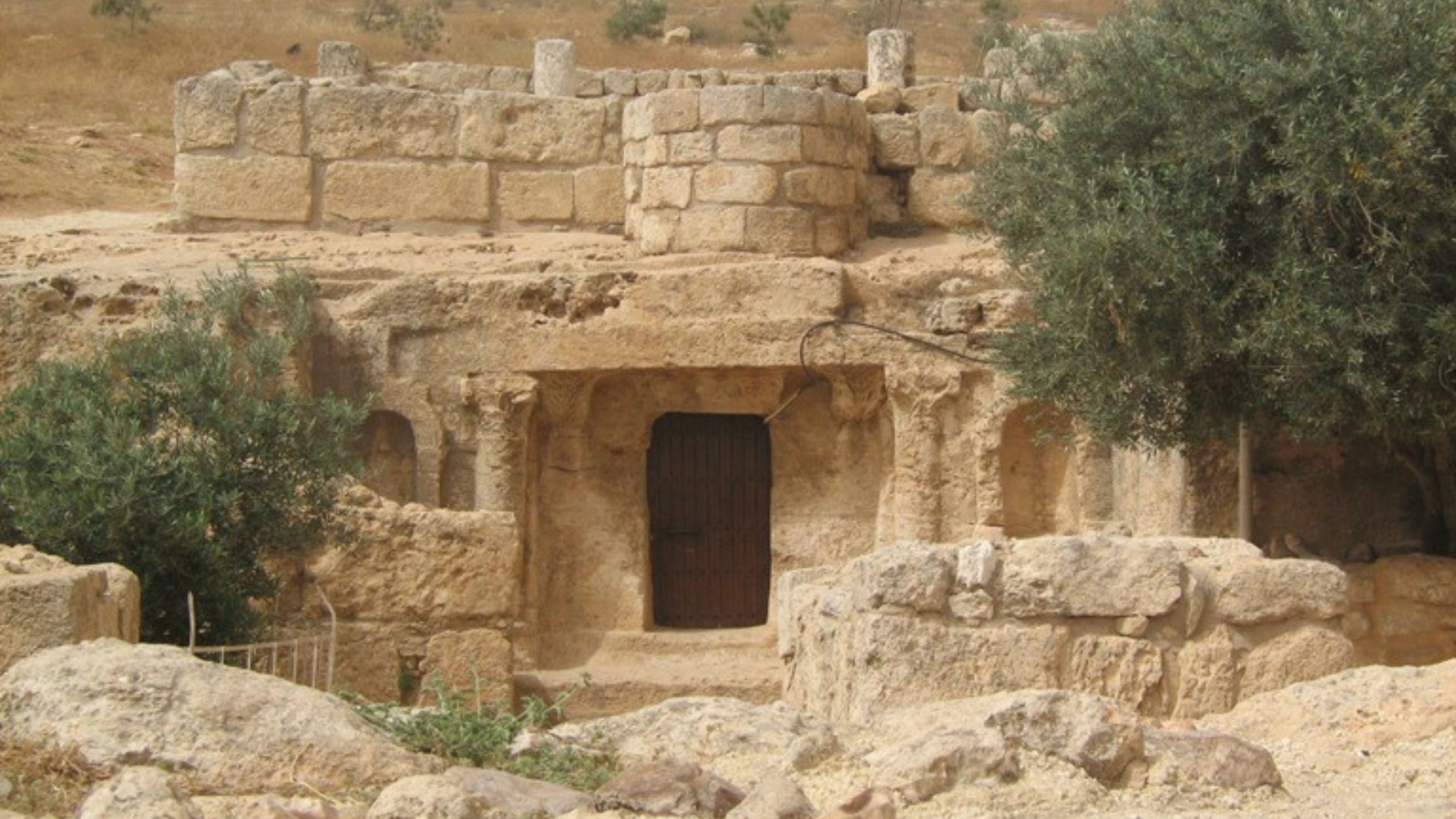
Amman, July 2 (Petra) — Located in the ar-Rajib area of eastern
Amman, the Cave of the Seven Sleepers (Ashab al-Kahf) continues to
captivate visitors as one of Jordan’s most prominent religious and
archaeological landmarks. The site draws tourists from both inside
the Kingdom and abroad, offering an immersive experience where
ancient history blends seamlessly with scriptural narrative.
The location derives its global renown from its association with the
youths who fled persecution to preserve their faith, seeking refuge
in a cave where they slept for centuries a story immortalized in the
Holy Quran in Surat al-Kahf as a timeless symbol of devotion,
conviction, and resilience.
The imam of the Seven Sleepers Mosque, Al-Mutasim Billah Al-Huneiti,
said that the archaeological and historical features surrounding the
site strongly reinforce the consensus that this is indeed the
location detailed in the religious texts. He added that the site’s
value stems not only from its spiritual significance but also from
the physical evidence that anchors it in global heritage.
Al-Huneiti explained that the area’s historical name, “Al-Raqeem,”
directly matches the terminology used in the Quranic text, a
correlation that consistently sparks the interest of researchers and
visitors. He noted that the most striking aspect of the site is its
unique architecture, particularly the orientation of the cave’s
entrance, which aligns perfectly with descriptions of the sun’s
movement and shifting shadows.
The attraction extends beyond the cave itself to include rock-cut
stone tombs and the ruins of an ancient Byzantine church that was
later converted into a mosque, making it one of the oldest Islamic
worship sites in Jordan.
Al-Huneiti noted that excavations conducted during the last century
near the cave entrance uncovered skeletal remains and a canine skull,
which are now preserved inside a glass display case on-site, adding a
vivid physical dimension to the historical account.
The landmark welcomes visitors of various nationalities and faiths,
reflecting its role as a cross-cultural site for spiritual reflection
and historical exploration. Inside the cave, the ancient stone
chamber features visible hand-carved details and stone sarcophagi
that bear witness to the passage of empires and eras.
Ahmad Suleiman, a visitor to the cave, described the experience as a
profound blend of sacred narrative and physical reality, noting that
reading the scriptural verses inside the rock chamber adds a deeply
moving personal dimension to the visit.
John Anderson, a foreign tourist visiting the site, called the
experience extraordinary, adding that the intersection of faith and
history within the cave leaves a lasting impression.
The Cave of the Seven Sleepers in Al-Rajeeb remains a living
testament to the convergence of religious history and archaeological
reality, serving as a global space for reflection where the echoes of
antiquity endure through the centuries.
//Petra// AF