ENV-KUWAIT-SUSTAINABLITYKuwait strengthens environmental sustainability through strategic initiativesBy Zahra Al-Kadhmi

HLT-KUWAIT-SURGERYKuwait advances health sector with robotic, remote surgeryBy Mohammad Al-Moseb

Saudi Arabia’s Voluntary Carbon Market Fuels the Shift to a Low-Carbon

Under UAE President’s directives, UAE launches urgent relief response for Ghana flood victims

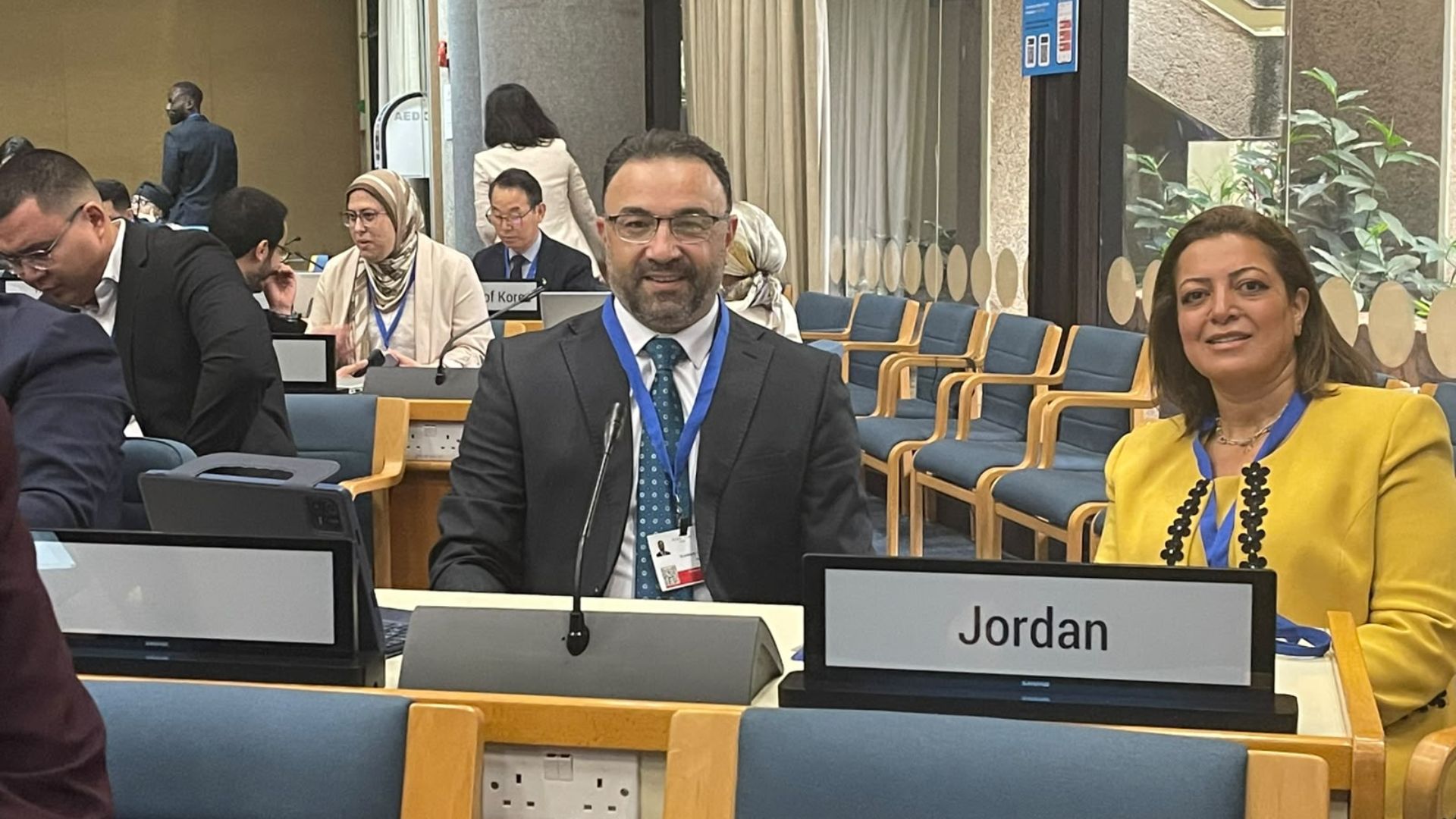
Amman, July 3 (Petra)– A Jordanian delegation, headed by
Secretary-General of the Ministry of Environment Omar Arabiyat and
attended by Jordan’s Ambassador to Kenya and Permanent Representative
to the United Nations Environment Programme (UNEP), Rulan Samara,
participated on Friday in preparatory meetings of heads of
delegations in Nairobi as part of negotiations on a legally binding
international treaty to end plastic pollution.
The meetings saw the Jordanian delegation take part in a series of
discussions and consultations on key negotiating issues, including
national plans for plastic pollution management, plastic waste
management, plastic product design, and means of implementation
related to financing, capacity building, and technology transfer.
Delegates also discussed the overall framework of the proposed treaty
and mechanisms for its implementation and follow-up.
Arabiyat stressed the importance of taking into account countries’
national circumstances and priorities when implementing the future
obligations set out in the agreement.
He underscored the need to provide developing countries with adequate
means of implementation, including financial and technical support
and capacity-building, to ensure the treaty’s effective and equitable
implementation.
He said the success of the future agreement would require the
establishment of a financing mechanism capable of providing
sufficient, sustainable, and predictable support while recognizing
differences in countries’ capacities and national circumstances.
Jordan, he noted, supports a flexible approach that combines the use
of the Global Environment Facility with the creation of a dedicated
multilateral fund, enhancing complementarity between funding sources
and improving fair and efficient access to resources, particularly
for developing countries.
Arabiyat also highlighted Jordan’s experience in integrated waste
management and the implementation of the Extended Producer
Responsibility (EPR) system. He emphasized the importance of
strengthening partnerships with the private sector and advancing the
transition to a circular economy to reduce plastic pollution and
support sustainable development goals.
Jordan’s participation reflects its commitment to contributing
actively to international negotiations aimed at reaching an ambitious
and practical legally binding agreement to end plastic pollution, in
line with the Kingdom’s national priorities and broader global
efforts to protect the environment and promote sustainable
development.
The negotiations are considered particularly significant due to the
broad participation of between 175 and 184 countries, including
Jordan and several Arab states, in the work of the Intergovernmental
Negotiating Committee tasked with drafting a legally binding global
treaty to combat plastic pollution.
The negotiations have revealed the emergence of two main blocs within
the process. One group of countries, backed by environmental
alliances and international organizations, is advocating stricter
measures, including reducing global plastic production and imposing
restrictions on certain single-use plastic products. They argue that
addressing the crisis requires tackling pollution at its source
rather than relying solely on waste management after production.
A second group, led by several oil- and petrochemical-producing
countries, favors an approach centered on improving waste management,
expanding recycling, and promoting a circular economy, while opposing
direct limits on plastic production because of the potentially
significant economic and industrial impacts.
The divergence highlights the challenge facing the international
community in reaching a balanced agreement that reconciles global
environmental ambitions with economic development needs and
countries’ national circumstances, paving the way for a treaty that
is both practical and capable of securing broad international support
upon its adoption.
//Petra// MF