ENV-KUWAIT-SUSTAINABLITYKuwait strengthens environmental sustainability through strategic initiativesBy Zahra Al-Kadhmi

HLT-KUWAIT-SURGERYKuwait advances health sector with robotic, remote surgeryBy Mohammad Al-Moseb

Saudi Arabia’s Voluntary Carbon Market Fuels the Shift to a Low-Carbon

Under UAE President’s directives, UAE launches urgent relief response for Ghana flood victims

Aqaba, July 6 (Petra) — Saleh Al-Nuaimi, Director of the Wadi Rum
Protected Area and Directorate under the Aqaba Special Economic Zone
Authority (ASEZA), said Monday that preserving biodiversity is a core
objective of the natural reserve.
Nuaimi told Petra in an interview that the wildlife sanctuary
contains more than 24,000 rock inscriptions and 20,000 rock drawings
dating back over 2,000 years, an archaeological evidence of human
settlement in the area for over 12,000 years.
The rock inscriptions also show that Wadi Rum is a natural habitat
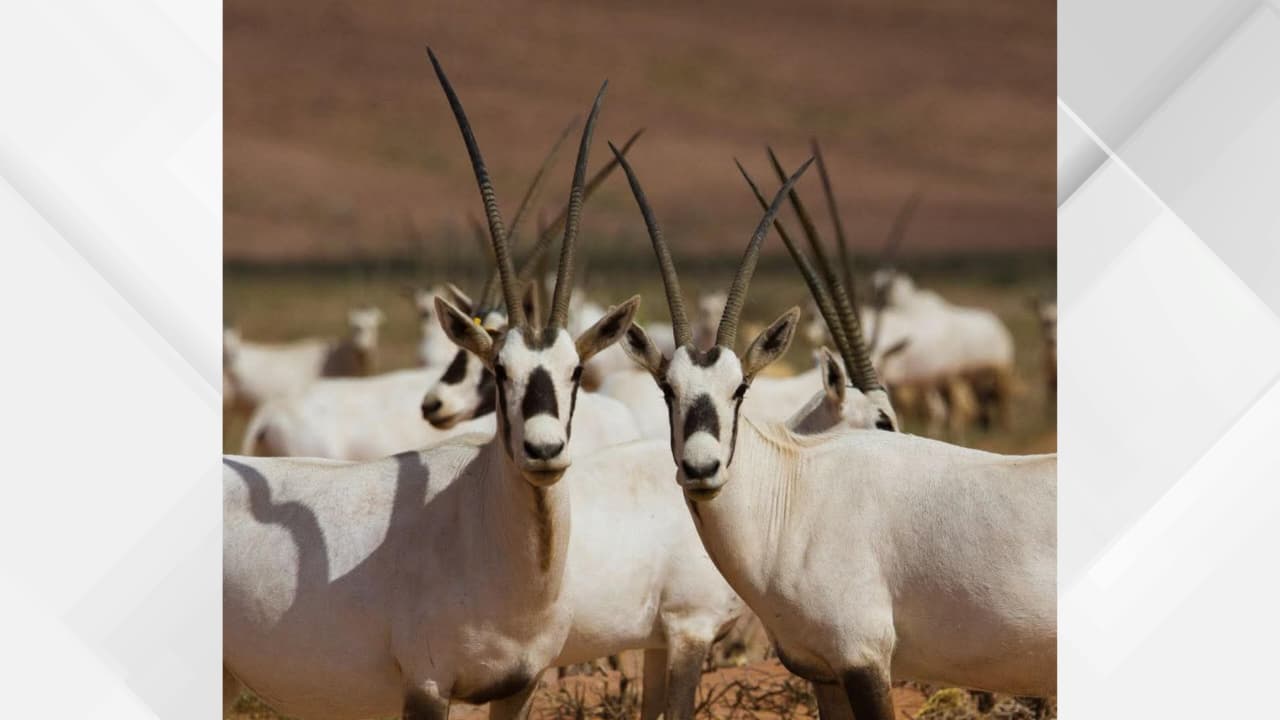
for the Arabian oryx, he said, adding that a reintroduction project
was launched in 2000 with 10 oryx brought from the Shaumari wildlife
reserve, later reinforced in 2008 with additional animals provided by
the Environment Agency in Abu Dhabi to enhance genetic diversity and
improve breeding sustainability.
Nuaimi said the Arabian oryx currently lives in a semi-natural
release environment inside the reserve, with the herd exceeding 72
animals. He said reproduction rates vary depending on factors,
including rainfall seasons, which affect vegetation growth, as well
as the presence of predators, such as the Arabian wolf, which targets
young oryx.
He said the reserve aims to develop an integrated eco-tourism project
that would allow visitors to observe the Arabian oryx in its natural
habitat, while maintaining environmental and wildlife protection
standards.
Wadi Rum Reserve was established in 1999 over an area of 720 square
kilometers and was inscribed in 2011 on the UNESCO World Heritage
List as a mixed natural and cultural site due to its historical and
environmental value.
//Petra// NQ