ENV-KUWAIT-SUSTAINABLITYKuwait strengthens environmental sustainability through strategic initiativesBy Zahra Al-Kadhmi

HLT-KUWAIT-SURGERYKuwait advances health sector with robotic, remote surgeryBy Mohammad Al-Moseb

Saudi Arabia’s Voluntary Carbon Market Fuels the Shift to a Low-Carbon

Under UAE President’s directives, UAE launches urgent relief response for Ghana flood victims

Amman, July 8 (Petra) — Agriculture Minister Saeb Khuraisat on
Wednesday said repeated health and regulatory violations prompted the
closure of the Black Iris Zoo to visitors, despite the zoo’s
management being given time to address the deficiencies.
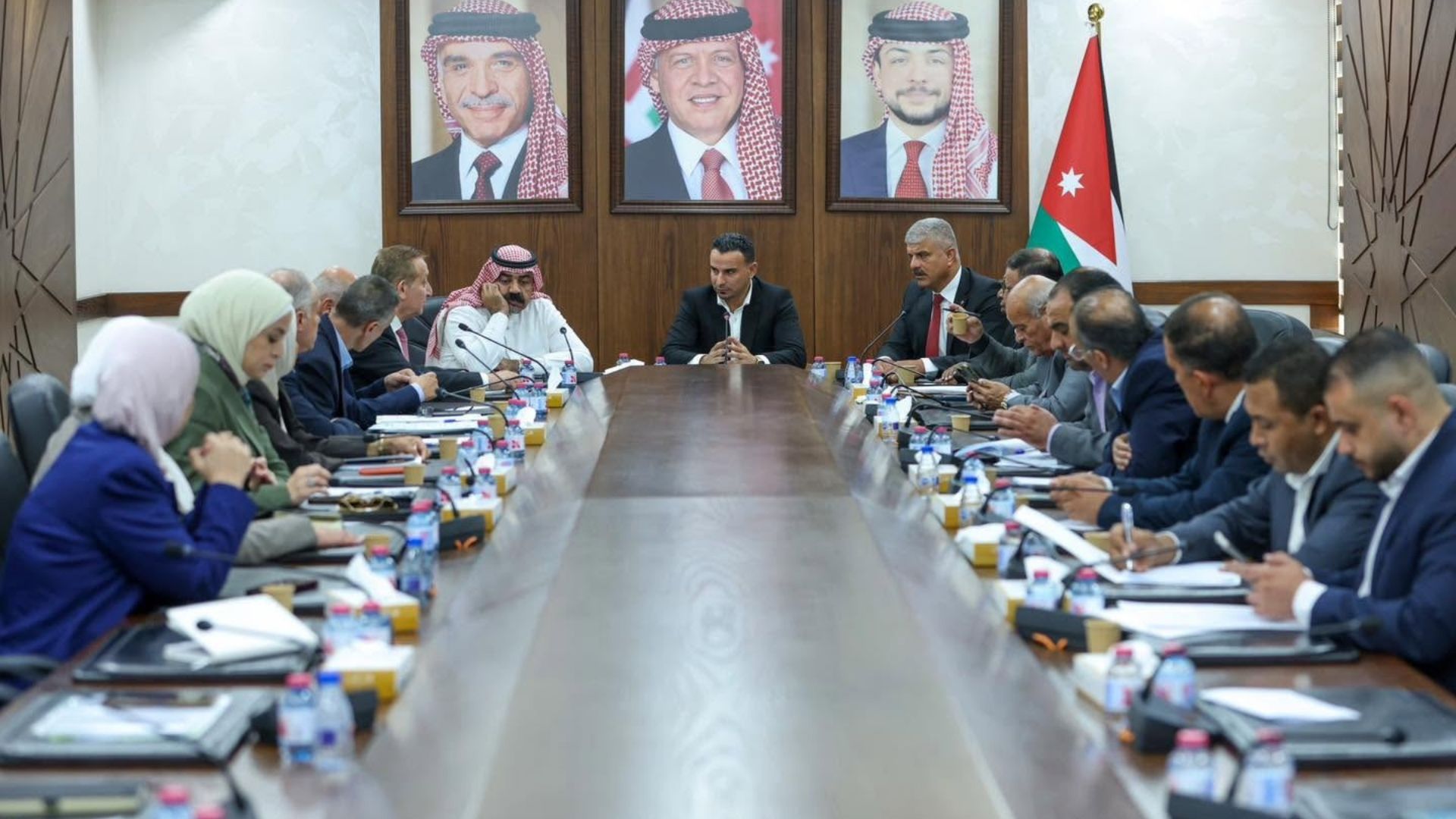
Speaking during a meeting of the Parliamentary Agriculture and Water
Committee, chaired by MP Ahmed Shdeifat, Khuraisat said the most
serious violations included the absence of a full-time veterinarian,
failure to comply with animal housing requirements, and allowing
direct contact between visitors and animals.
He stressed that the closure applies only to visitor admissions and
does not affect the care of animals at the facility, affirming that
veterinary and animal welfare services continue uninterrupted.
The minister said the Ministry of Agriculture remains committed to
enforcing all health and veterinary regulations to safeguard public
health and ensure compliance with established standards.
During the meeting, committee members discussed several issues
related to the agricultural sector, including support for farmers,
agricultural development, and the role of universities in advancing
scientific research and innovation.
Committee Chair Ahmed Shdeifat said oversight of the agricultural and
environmental sectors is essential to protecting the public interest
and ensuring compliance with health and veterinary requirements.
Khuraisat also highlighted the ministry’s continued support for smart
agriculture and hydroponic farming projects, efforts to protect
agricultural land, and the issuance of certificates of origin to
safeguard farmers’ rights and verify product sources.
Meanwhile, Acting Director General of the National Agricultural
Research Center Zakaria Moslem called for stronger cooperation among
government institutions, universities, and the agricultural sector to
promote innovation, expand applied scientific research, and improve
agricultural productivity.
Deans of agricultural colleges from several universities also
underscored the importance of integrating artificial intelligence and
digital transformation into agricultural education and research to
prepare graduates for emerging scientific and technological
developments.
//Petra// AJ