Saudi Arabia’s Voluntary Carbon Market Fuels the Shift to a Low-Carbon

Under UAE President’s directives, UAE launches urgent relief response for Ghana flood victims

Combating Desertification and Drought: Qatar a Model in Preserving Natural Resources, Establishing Environmental Stability

UAE allocates US$30 million for emergency humanitarian response in El Obeid, calls for civilian protection, safe humanitarian aid access in Sudan

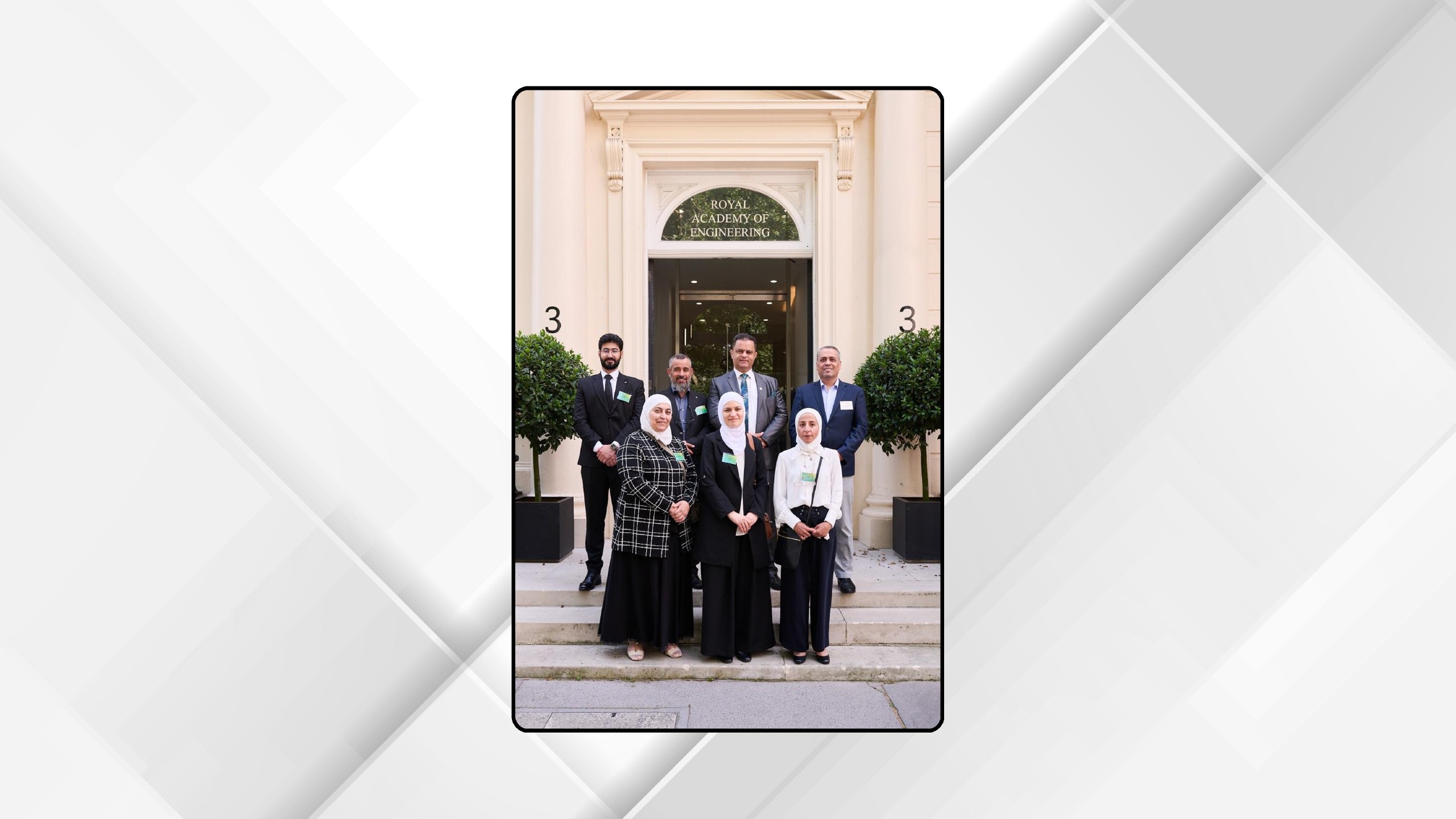
Amman, July 13 (Petra) — Jordanian participants in the 2026 Leaders
in Innovation Fellowships (LIF) program completed the final two-week
phase of their training in London under a program run by the UK’s
Royal Academy of Engineering in cooperation with the Higher Council
for Science and Technology (HCST).
According to an HCST statement issued Monday, Jordan participated in
the program for the sixth consecutive year under its partnership
agreement with the Royal Academy of Engineering.
The council secured six places for Jordan among this year’s
participating countries, which also included Brazil, Vietnam, the
Philippines and India.
The council said the training focused on strengthening participants’
technical, managerial, financial and marketing skills, preparing
investor presentations, identifying investment opportunities for
their projects, and connecting them with specialists, researchers and
industry experts to help commercialize their research and establish
startup companies.
Participants also visited innovation, research and development
centers at the Universities of Birmingham, Imperial College London
and Liverpool, where they met entrepreneurship experts to gain
insights into commercializing research outcomes and transforming them
into marketable products and services.
The council said it continues to strengthen links between industry
and academia by supporting joint research projects between
universities, scientific centers and the industrial sector to improve
product quality, develop new products, enhance production efficiency
and advance local technologies, thereby boosting the competitiveness
of Jordan’s industrial sector.
The HCST Secretary-General Mashhour Rifai said the council will
continue supporting participants in transforming their ideas into
marketable products that contribute to the national economy.
He said the council’s strategy also focuses on preparing technology
entrepreneurs and facilitating their integration into the labor
market and entrepreneurial system.
The Jordanian delegation included academics from the University of
Jordan, Al-Balqa Applied University, Princess Sumaya University for
Technology, Tafila Technical University, Zarqa University, and
Al-Zaytoonah University of Jordan, in addition to a representative
from the Higher Council for Science and Technology.
//Petra// NQ