Saudi Arabia’s Voluntary Carbon Market Fuels the Shift to a Low-Carbon

Under UAE President’s directives, UAE launches urgent relief response for Ghana flood victims
Combating Desertification and Drought: Qatar a Model in Preserving Natural Resources, Establishing Environmental Stability

UAE allocates US$30 million for emergency humanitarian response in El Obeid, calls for civilian protection, safe humanitarian aid access in Sudan

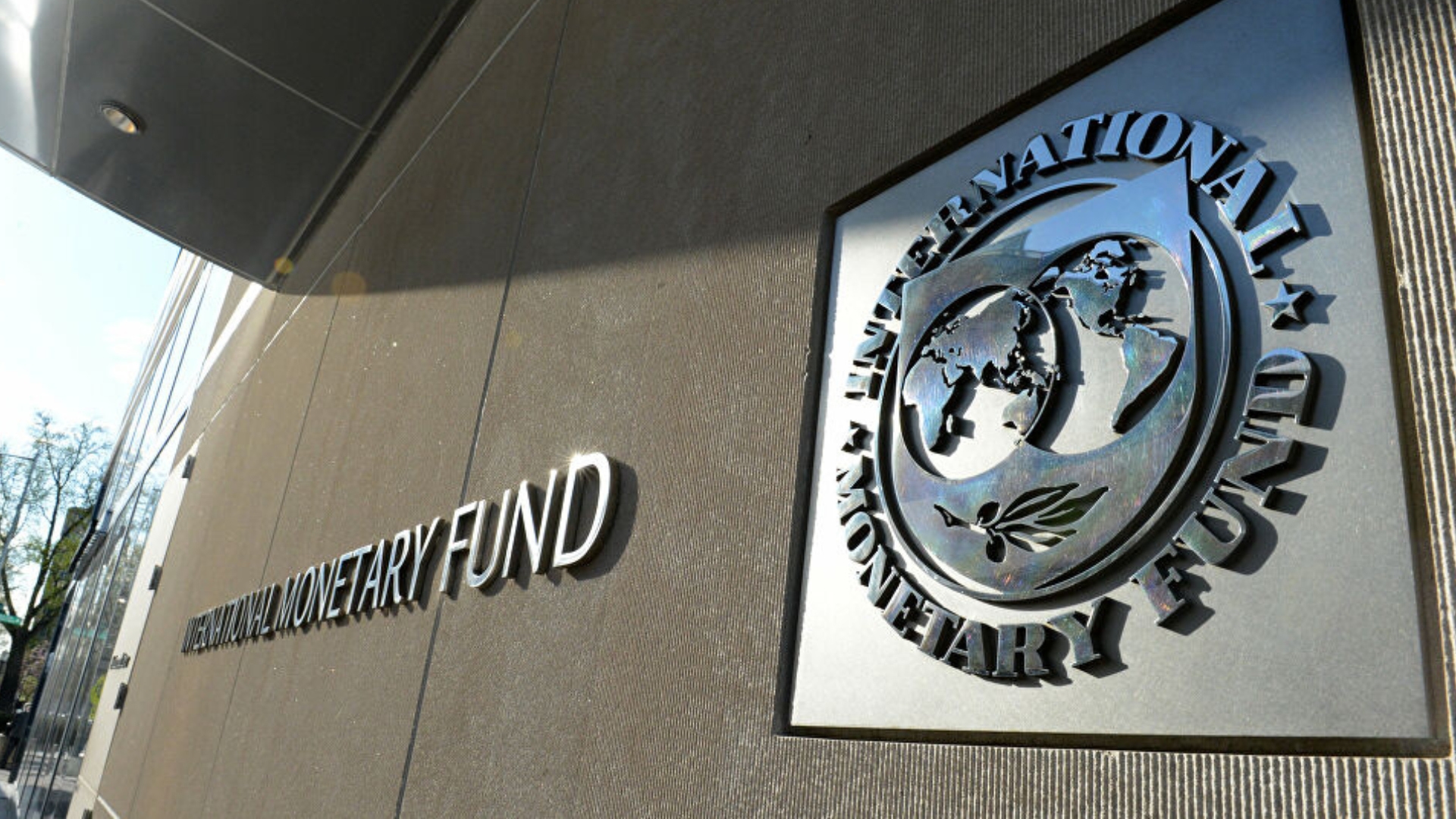
Amman, July 15 (Petra) — International Monetary Fund Strategy
Director Kristian Mamsen said he believes the factors that have so
far prevented the conflict in the Middle East from having a greater
impact on global economic growth are likely to persist but warned
that any prolonged disruption to energy supplies would clearly affect
the global outlook.
Speaking to reporters, Mamsen said it was too early to determine the
direction the IMF’s forecasts might take when they are updated in
October.
He was responding to a question on whether renewed hostilities
between the United States and Iran could prompt the IMF to revise its
forecast for 2026 global economic growth, which currently stands at
3%.
Mamsen said the Fund would continue to assess a range of possible
scenarios, adding that for some countries, energy prices remain a
critical factor in shaping their economic outlook.
//Petra// AF