Saudi Arabia’s Voluntary Carbon Market Fuels the Shift to a Low-Carbon

Under UAE President’s directives, UAE launches urgent relief response for Ghana flood victims

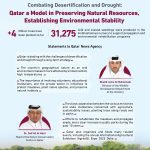
Combating Desertification and Drought: Qatar a Model in Preserving Natural Resources, Establishing Environmental Stability
UAE allocates US$30 million for emergency humanitarian response in El Obeid, calls for civilian protection, safe humanitarian aid access in Sudan

Amman, July 19 (Petra) – Jordanian expatriate businessmen and
investors are calling for a structured, institutional framework to
channel the vast expertise and financial capital of the diaspora into
sustainable national development.
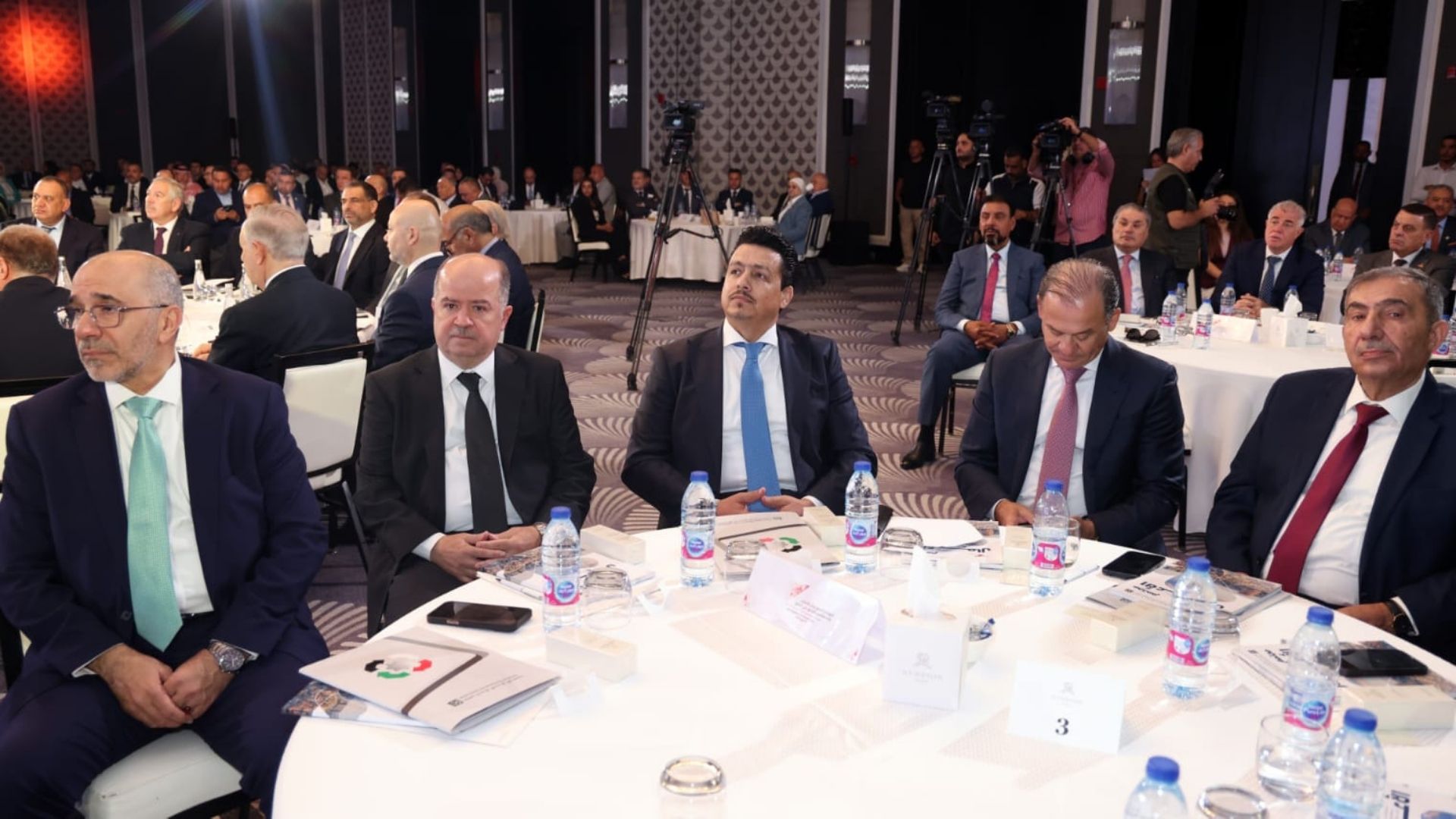
Following the conclusion of the ninth Conference of Jordanian
Businessmen and Investors Abroad, delegates told the Jordan News
Agency (Petra) that moving from individual initiatives to an
institutional system based on trust and transparency will stimulate
high-value projects, create jobs, and boost economic competitiveness.
Expatriates noted that Jordan is “ideally positioned” to serve as a
hub for innovation and investment, specifically high-growth fields
that stand to benefit from advanced market expertise. These promising
sectors include financial technology, logistics services, renewable
energy, and smart agriculture.
Ammar Obeidat, CEO of Raboa Alyarmouk Agricultural Company and head
of the Jordanian Businessmen Association (JBA) in Oman, stated that
the next phase requires shifting the perception of expats from mere
financial remitters to active production and investment partners. He
proposed establishing business committees within Jordanian embassies
to build databases of local opportunities and actively attract
international investment.
Amal Daghlas, Managing Director of Adaa Sustainable Development
Consultants and Chair of Business and Professional Women Association
(BPWA), noted that major regional economies hold Jordanian talent in
high regard. Drawing on global precedents, she said that nations
effectively linking their diaspora to domestic needs see accelerated
economic growth and technological innovation.
To convert this potential into reality, Zaid Darwazeh, board member
of the Jordan Business Council in Dubai, recommended streamlining the
investment process by launching a single-window clearing system. He
also proposed tax incentives and matching funds to blend expat
capital with public or local private sectors.
Darwazeh added that Jordan’s strategic location and free trade
agreements with the US, Europe, and the Arab world make it an ideal
export launchpad.
Munawar Zoubi, CEO of Medical East and a prominent pharmaceutical
executive in Europe, pointed to the deep connection between expats
and their homeland. She noted that the international prestige built
by Their Majesties King Abdullah II and Queen Rania provides a strong
foundation for expats to act as economic and cultural ambassadors.
Zoubi urged Jordanian embassies to form specialized advisory councils
in fields such as medicine, engineering, and technology to formally
connect European businesses with local counterparts, open new export
markets, and facilitate technology transfers to Jordan.
//Petra// HA