
Saudi Arabia’s Voluntary Carbon Market Fuels the Shift to a Low-Carbon

Under UAE President’s directives, UAE launches urgent relief response for Ghana flood victims

Combating Desertification and Drought: Qatar a Model in Preserving Natural Resources, Establishing Environmental Stability

UAE allocates US$30 million for emergency humanitarian response in El Obeid, calls for civilian protection, safe humanitarian aid access in Sudan

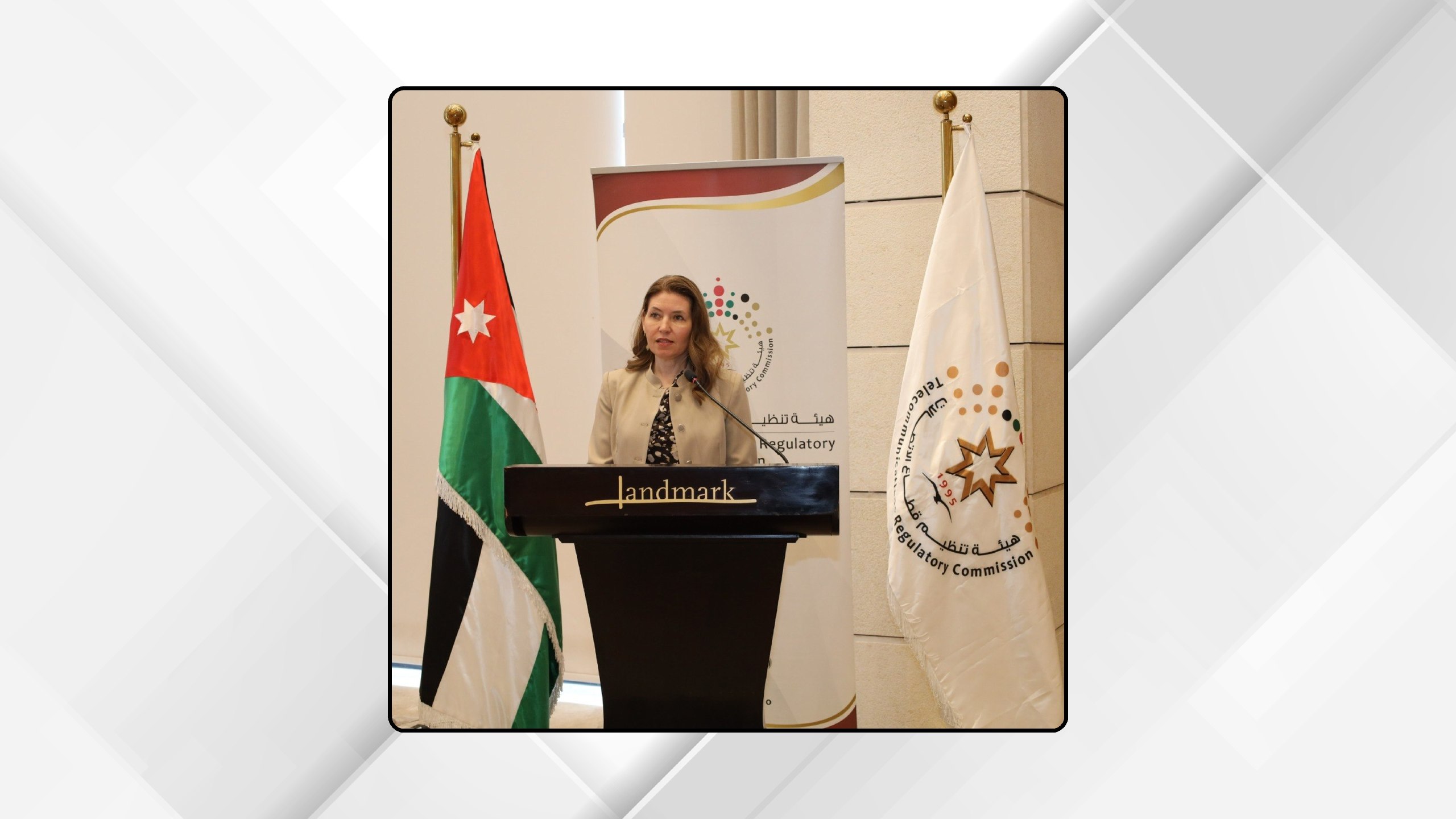
Amman, July 23 (Petra) — A specialized training workshop on “Climate
Change and the Mobile Industry” began on Wednesday, bringing together
stakeholders to discuss ways the telecommunications sector can
support environmental sustainability and climate action.
The workshop was organized by the the Telecommunications Regulatory
Commission (TRC) in cooperation with the GSM Association (GSMA).
Chairperson of the TRC’s Board of Commissioners Lara Al-Khatib said
the workshop addresses global climate challenges that require
cooperation among policymakers, regulators, innovators, and operators
to develop sustainable solutions while continuing to support digital
and economic growth.
She noted that the telecommunications sector has an important role in
advancing environmental sustainability by improving energy
efficiency, enhancing data center performance, increasing reliance on
renewable energy, and promoting responsible electronic waste
management to reduce the sector’s environmental impact.
Jawad Abbassi, head of the Middle East and North Africa region at the
GSMA, said the telecommunications industry has a strong potential to
contribute to the shift toward a green and sustainable economy by
providing digital solutions that help other sectors reduce carbon
emissions.
The workshop sessions focused on several key areas, including the
telecommunications sector’s efforts to lower emissions, the use of
digital technologies to support climate initiatives, and regulatory
frameworks that enhance sector resilience and the sustainability of
networks.
Participants also discussed the role of emerging technologies in
addressing climate challenges, including smart cities, the Internet
of Things, and smart energy systems, as well as future opportunities
for developing green digital infrastructure and strengthening
cooperation between the public and private sectors.
During the workshop, the TRC highlighted its efforts to promote a
more sustainable and resilient telecommunications sector through
regulatory frameworks that support digital transformation, improve
energy efficiency, and encourage the use of renewable energy
solutions in line with national development strategies.
The Commission also presented its solar energy project as an example
of adopting clean energy solutions. The project contributes to
reducing carbon emissions, lowering the authority’s environmental
impact, and improving energy efficiency, reflecting its commitment to
sustainable institutional practices and encouraging similar
approaches across the telecommunications sector.
The Commission further reviewed national and regulatory initiatives
supporting sustainability, including promoting infrastructure sharing
among operators, developing frameworks for the Internet of Things and
electronic waste management, and enhancing the resilience of
telecommunications networks during emergencies.
//Petra//WH