ENV-KUWAIT-SUSTAINABLITYKuwait strengthens environmental sustainability through strategic initiativesBy Zahra Al-Kadhmi

HLT-KUWAIT-SURGERYKuwait advances health sector with robotic, remote surgeryBy Mohammad Al-Moseb

Saudi Arabia’s Voluntary Carbon Market Fuels the Shift to a Low-Carbon

Under UAE President’s directives, UAE launches urgent relief response for Ghana flood victims
Amman, July 27 (Petra) — The government is moving forward with plans
to establish a 1,000-space electronic park-and-ride facility serving
Jordan Street, Airport Road and the Na’eima interchange, as part of
efforts to develop an integrated public transport network that eases
traffic congestion and improves connectivity between Amman and the
governorates.
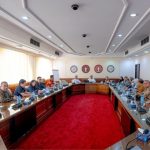
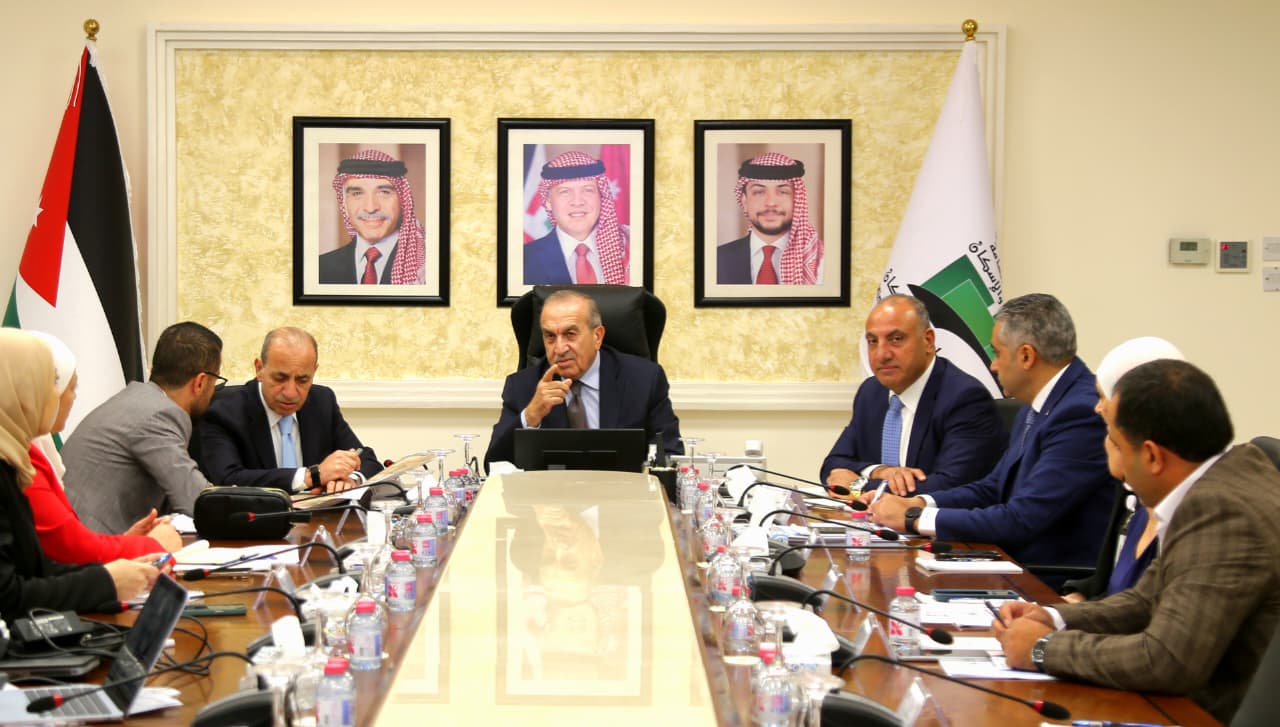
The project was discussed during a meeting bringing together Minister
of Public Works and Housing Maher Abu Al-Samen, Minister of Local
Administration Eng. Walid Al-Masri and Greater Amman Municipality
Committee Chairman Dr. Yousef Al-Shawarbeh, along with
representatives of the Ministry of Transport, the Land Transport
Regulatory Commission, the Department of Lands and Survey and other
relevant agencies.
The meeting reviewed the findings of a technical committee tasked
with evaluating potential sites for implementing the “Park and Ride”
system, in line with Prime Minister Jaafar Hassan’s directives to
prepare the studies required for the project.
The proposed electronic parking facility would accommodate around
1,000 vehicles and serve major transport corridors extending north
toward Tabbour and south toward Airport Road, while linking with
existing and planned Bus Rapid Transit (BRT) routes.
The “Park and Ride” concept is widely adopted in major cities,
allowing motorists to leave their vehicles at designated parking
facilities near key transport hubs before completing their journeys
by public transport. The system is designed to reduce congestion,
lower fuel consumption and carbon emissions, and improve the
efficiency of urban transport networks.
The project is aligned with the Economic Modernization Vision, which
identifies transport as a key driver of economic growth and calls for
the development of an integrated public transport system, improved
mobility within and between governorates, and greater reliance on
sustainable mass transit.
It also supports the National Transport and Logistics Strategy, which
seeks to establish a modern, safe and sustainable transport system
through greater integration between transport modes and the adoption
of smart mobility solutions. The initiative is also intended to
maximize the benefits of the Bus Rapid Transit network by creating
interchange parking facilities that encourage commuters to switch
from private vehicles to public transport.
Abu Al-Samen stressed the importance of commissioning comprehensive
transport studies through a specialized engineering consultancy. The
studies will include classified traffic counts, assessments of
current and future transport demand, origin-and-destination surveys,
environmental and social impact assessments, and public opinion
surveys to gauge commuters’ willingness to shift to public
transportation.
Al-Masri underscored the need to assess the feasibility of dedicated
BRT lanes on both sides of the roads and determine how they would
connect to the proposed parking facilities. He also proposed
evaluating additional government-owned sites, including land behind
the Mobis Housing area and Plot No. 324 in the Jiza area along
Airport Road, if studies demonstrate the need for additional
stations.
He further called for taking into consideration the planned Na’eima
Transport Complex, the proposed Irbid-Ajloun Road and the Irbid Ring
Road, currently under construction, when selecting the optimal site
for the Na’eima facility.
Al-Shawarbeh emphasized the importance of integrating the project
with Greater Amman’s parking strategy and urban mobility plans, with
particular attention to accessibility and the application of
intelligent transport systems in managing the parking facilities.
At the conclusion of the meeting, the Ministry of Transport was
tasked with preparing the terms of reference for appointing a
specialized engineering consultancy to undertake detailed studies
covering traffic analysis, infrastructure assessment, economic
feasibility, operating tariffs, feeder transport services, site
evaluation and land acquisition requirements.
The Ministry of Public Works and Housing was also tasked with
submitting the committee’s recommendations to the Prime Minister in
preparation for the necessary government decisions.
//Petra// RZ