ENV-KUWAIT-SUSTAINABLITYKuwait strengthens environmental sustainability through strategic initiativesBy Zahra Al-Kadhmi

HLT-KUWAIT-SURGERYKuwait advances health sector with robotic, remote surgeryBy Mohammad Al-Moseb

Saudi Arabia’s Voluntary Carbon Market Fuels the Shift to a Low-Carbon

Under UAE President’s directives, UAE launches urgent relief response for Ghana flood victims

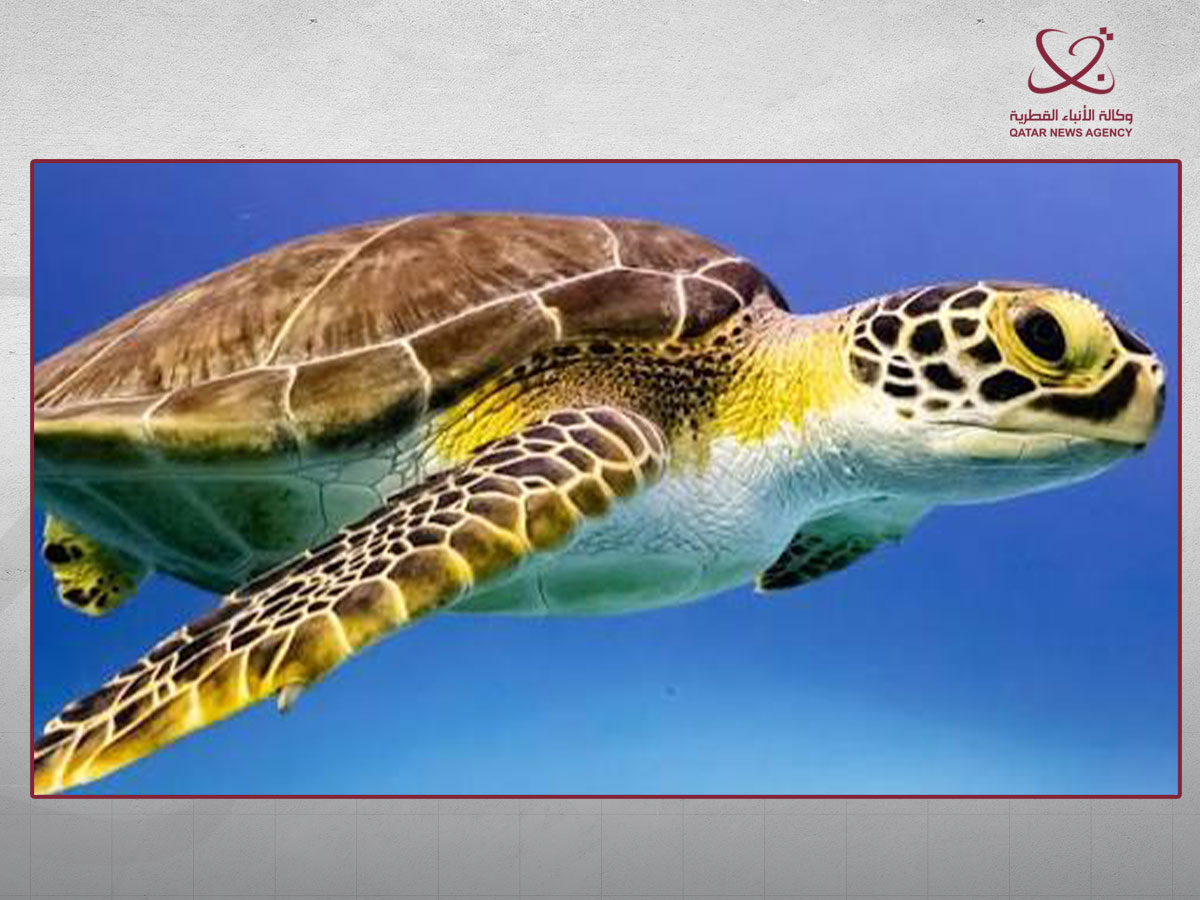
Doha, August 1 (QNA) – The Ministry of Environment and Climate Change (MOECC) has announced the conclusion of the 2026 hawksbill sea turtle nesting season, which ran from April 1 to August 1.
The season culminated with the release of hatchlings into their natural habitat as part of the ministry’s ongoing efforts to protect biodiversity and conserve endangered species.
The ministry said it provided suitable conditions for turtle nesting throughout the season by implementing specialized field programs and deploying patrols to monitor key nesting beaches. These included Al Huwailah, Al Jassasiya, Al Maroona, Al Ghariya, and Al Mufair, as well as several other coastal sites across the country, contributing to the season’s success and the achievement of its conservation objectives.
According to the ministry, the Hawksbill Sea Turtle Protection Project was launched in 2003 in partnership with QatarEnergy and the Environmental Science Center at Qatar University. Over the past five years, the initiative has released more than 60,000 hatchlings into Qatar’s marine environment.
The ministry described the project as one of Qatar’s leading national biodiversity conservation initiatives, noting that it has helped increase hawksbill turtle populations, reduce the risk of extinction, and raise public awareness about the importance of protecting the species. Hawksbill turtles play a vital role in maintaining healthy marine ecosystems and supporting ecological balance.
MOECC noted that the annual hawksbill nesting season typically runs from early April to late June, when turtles come ashore to nest on several beaches in northern Qatar, including Fuwairit, Ras Laffan, Al Maroona, Al Ghariya, Al Huwailah, Al Jassasiya, and Al Mafjar, as well as on the islands of Umm Tais, Ras Rakan, Shraouh, and Halul. The eggs hatch approximately two months after they are laid, after which the hatchlings make their way to the sea. (QNA)