Saudi Arabia’s Voluntary Carbon Market Fuels the Shift to a Low-Carbon

Under UAE President’s directives, UAE launches urgent relief response for Ghana flood victims

Combating Desertification and Drought: Qatar a Model in Preserving Natural Resources, Establishing Environmental Stability

UAE allocates US$30 million for emergency humanitarian response in El Obeid, calls for civilian protection, safe humanitarian aid access in Sudan

Amman, Aug. 31 (Petra) — Standard & Poor’s (S&P) affirmation of
Jordan’s long-term sovereign credit rating at BB- with a stable
outlook reflects the resilience of the national economy and its
ability to withstand regional challenges while maintaining financial
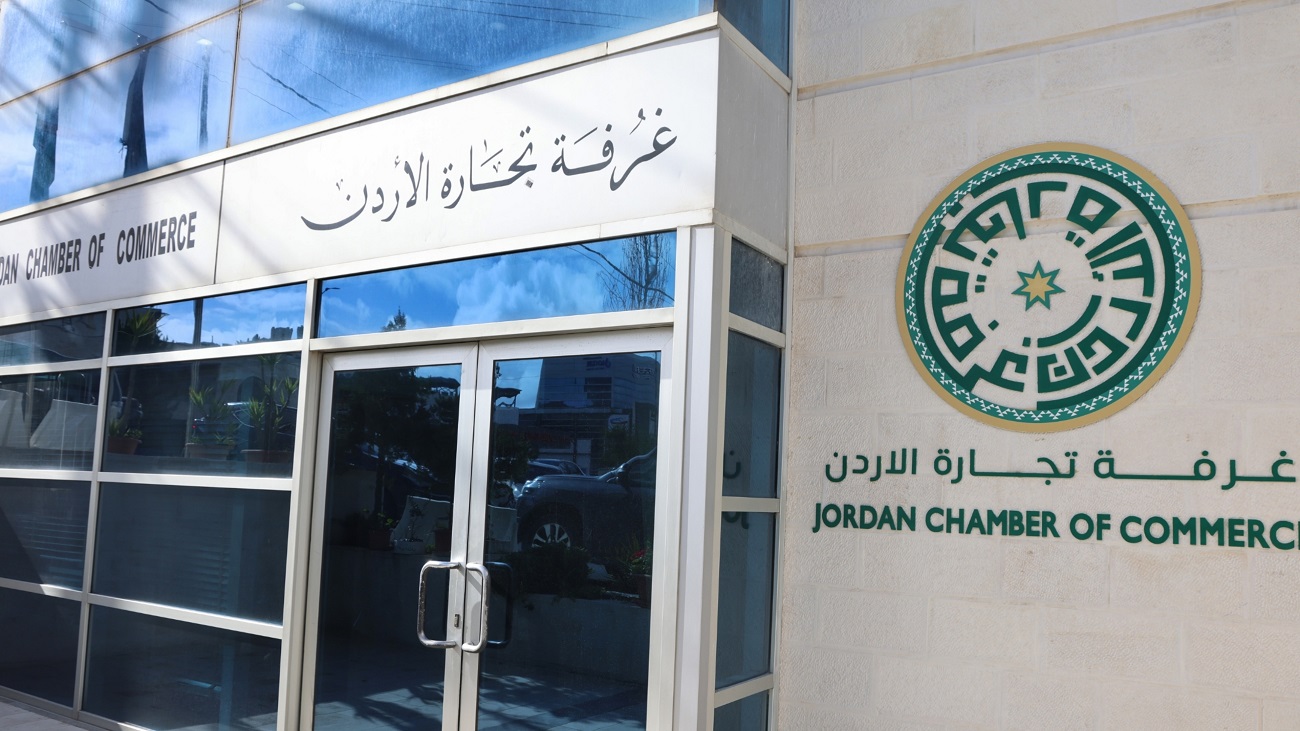
and monetary stability, a Jordan Chamber of Commerce representative
said.
Firas Sultan, representative of the financial and banking sector at
the chamber, told the Jordan News Agency (Petra) on Monday that
maintaining the rating amid current regional conditions is a positive
indicator of the economy’s ability to withstand external developments
and underscores the impact of economic, financial and monetary
reforms implemented in recent years.
He highlighted S&P’s assessment of Jordan’s economic resilience,
strong foreign reserves and continued support from international
partners as key factors reinforcing confidence in the national
economy and its financial and monetary stability.
Sultan noted that S&P forecasts Jordan’s economy to grow 2.5% this
year, with average growth accelerating to about 3.2% in 2027-29. He
attributed the projected improvement to the potential rerouting of
regional trade through Jordan, the growing role of the Port of Aqaba
and continued strength in remittances from Jordanian workers abroad.
He added that activity in the industrial and mining sectors, along
with major projects and improving trade, could further support
economic growth, creating greater opportunities for the private
sector and other economic sectors.
Sultan also highlighted the stability of the Jordanian dinar’s
exchange rate, which is pegged to the U.S. dollar, as a key pillar of
monetary and financial stability. He noted that S&P expects foreign
reserves to reach about $26 billion by the end of 2026, strengthening
the economy’s capacity to withstand external shocks and supporting
confidence in the national currency.
He pointed to S&P’s projected average inflation rate of about 2.4%
during 2026-29 as another indicator of continued price stability,
supported by government measures to limit the impact of higher oil
prices on domestic prices.
From the financial and banking sector’s perspective, Sultan described
the stable credit rating as a positive development that can
strengthen investor and international financial institution
confidence, support the investment environment and help attract
further investment.
He stressed that monetary and financial stability, a sound banking
sector, strong foreign reserves and international support provide a
solid foundation for Jordan to navigate regional challenges and
capitalize on emerging economic opportunities.
//Petra// AJ