Saudi Arabia’s Voluntary Carbon Market Fuels the Shift to a Low-Carbon

Under UAE President’s directives, UAE launches urgent relief response for Ghana flood victims

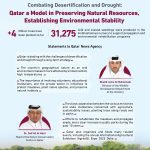
Combating Desertification and Drought: Qatar a Model in Preserving Natural Resources, Establishing Environmental Stability
UAE allocates US$30 million for emergency humanitarian response in El Obeid, calls for civilian protection, safe humanitarian aid access in Sudan

Irbid, Sept. 7 (Petra) — Yarmouk University and the Greater Irbid
Municipality have discussed cooperation on a proposed international
project under the European Union’s Horizon program aimed at improving
local governance, public services, community participation,
accountability, and trust between local institutions and people.
The proposed project seeks to strengthen the capacities of local
institutions and develop evidence- and data-based tools and
indicators to support decision-making and planning to improve local
administration and its responsiveness to community needs.
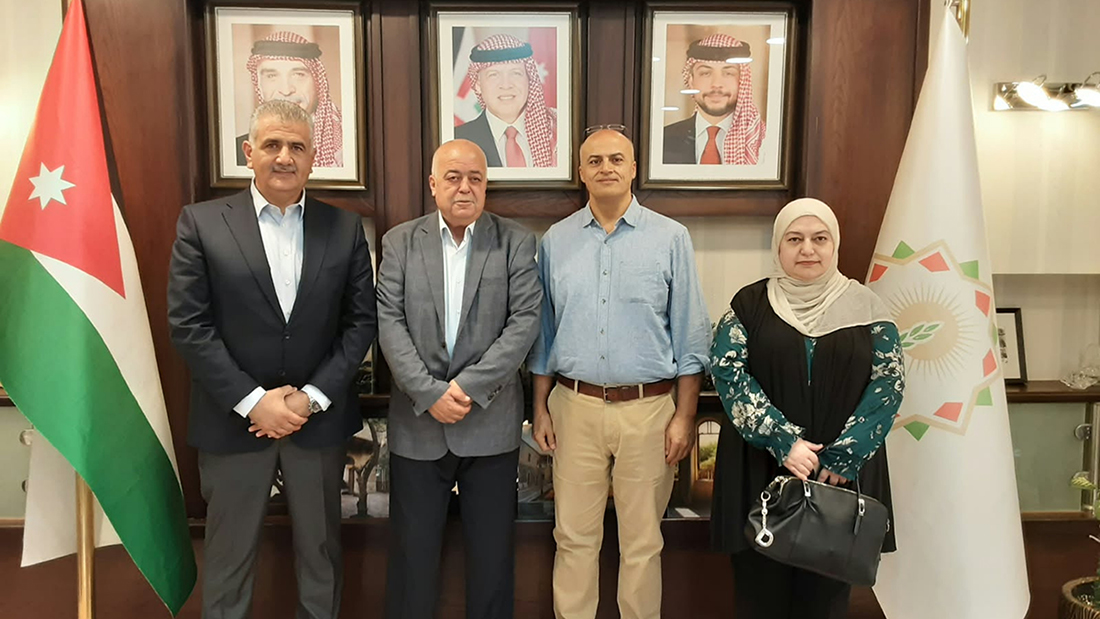
The discussion took place during a meeting between a delegation from
Yarmouk University’s Department of International Relations and
Projects and Chairman of the Greater Irbid Municipality Committee
Imad Azzam, which was attended by department director Rashid Jaradat,
deputy director Abdul Moneim Rawashdeh, and Tamara Yaqoub of the
Department of Public Administration at the Faculty of Business.
In a statement issued Monday, the university said the two sides
reviewed the project concept, objectives, proposed areas of work, and
the municipality’s role as a local partner in implementing the
Jordanian case study in cooperation with the university.
The partnership would draw on academic and research expertise in
public services, regulation, planning, and community engagement.
Jaradat highlighted the importance of expanding cooperation between
the university and municipality into applied projects and programs
that make use of specialized academic and research expertise.
He noted that Yarmouk University’s participation in international
projects supports knowledge exchange, international research
cooperation, and the application of research findings to local
challenges, service development, and governance.
//Petra// AO