Saudi Arabia’s Voluntary Carbon Market Fuels the Shift to a Low-Carbon

Under UAE President’s directives, UAE launches urgent relief response for Ghana flood victims
Combating Desertification and Drought: Qatar a Model in Preserving Natural Resources, Establishing Environmental Stability
UAE allocates US$30 million for emergency humanitarian response in El Obeid, calls for civilian protection, safe humanitarian aid access in Sudan

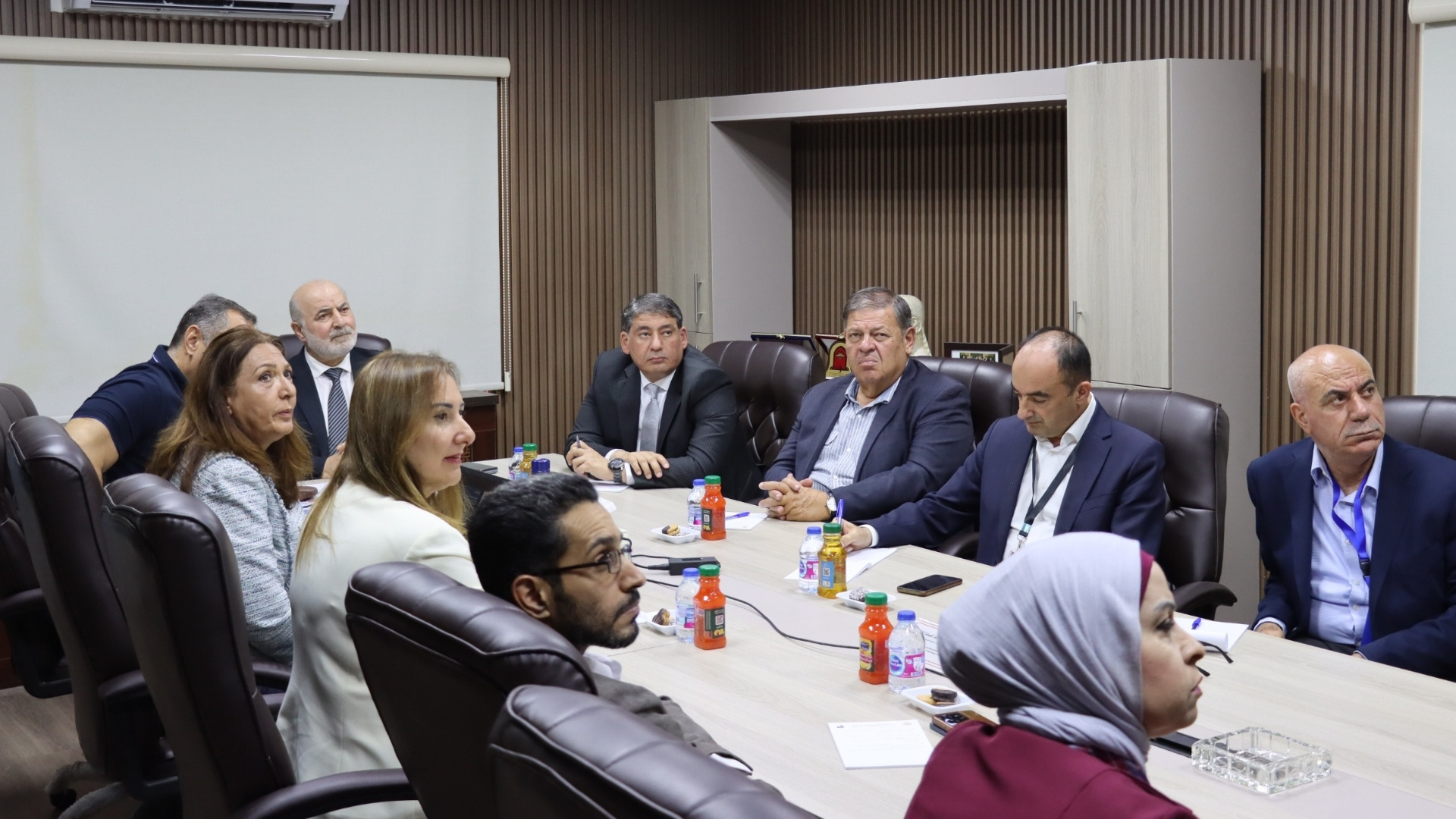
Amman, Sept. 7 (Petra) — Economic and Social Council President Musa
Shteiwi on Monday discussed ways to broaden dialogue on the
U.S.-government-funded Informal Livelihoods Advancement Activity
(Iqlaa) and strengthen the council’s role in following up on its
outcomes.
He spoke at a meeting with representatives of the Iqlaa project,
which is aimed at developing the productivity of micro and small
enterprises in Jordan, along with council researchers.
Shteiwi, joined by council Secretary-General Nazir Awamleh, Iqlaa
representatives Laith Qasem and Nidaa Maani, and several researchers,
highlighted the importance of expanding discussion on the project,
particularly regarding how the council could monitor and benefit from
its outputs.
He also pointed to the value of developing an interactive geographic
map of micro and small enterprises across the governorates. Such a
map, he noted, could go beyond identifying business locations to show
the nature of enterprises and help connect them within each
governorate, potentially improving coordination and integration.
For his part, Qasem explained that Iqlaa focuses primarily on micro
and small enterprises, including both formal and informal businesses,
which represent a broad segment of economic activity in Jordan.
He noted that micro and small enterprises account for the largest
share of businesses in the formal sector, while informal activity
also represents a significant part of the economy, underscoring the
need for a clearer understanding of the challenges facing these
enterprises.
Qasem said the project is developing a platform for this business
segment, alongside a geographic map identifying comparative and
competitive advantages across the governorates and presenting data in
formats intended to provide a clearer picture of local economic
activity.
He described the Economic and Social Council as a suitable
institution to work with the project’s data and outputs because of
its role in examining economic and social issues.
//Petra// AO