Saudi Arabia’s Voluntary Carbon Market Fuels the Shift to a Low-Carbon

Under UAE President’s directives, UAE launches urgent relief response for Ghana flood victims

Combating Desertification and Drought: Qatar a Model in Preserving Natural Resources, Establishing Environmental Stability

UAE allocates US$30 million for emergency humanitarian response in El Obeid, calls for civilian protection, safe humanitarian aid access in Sudan

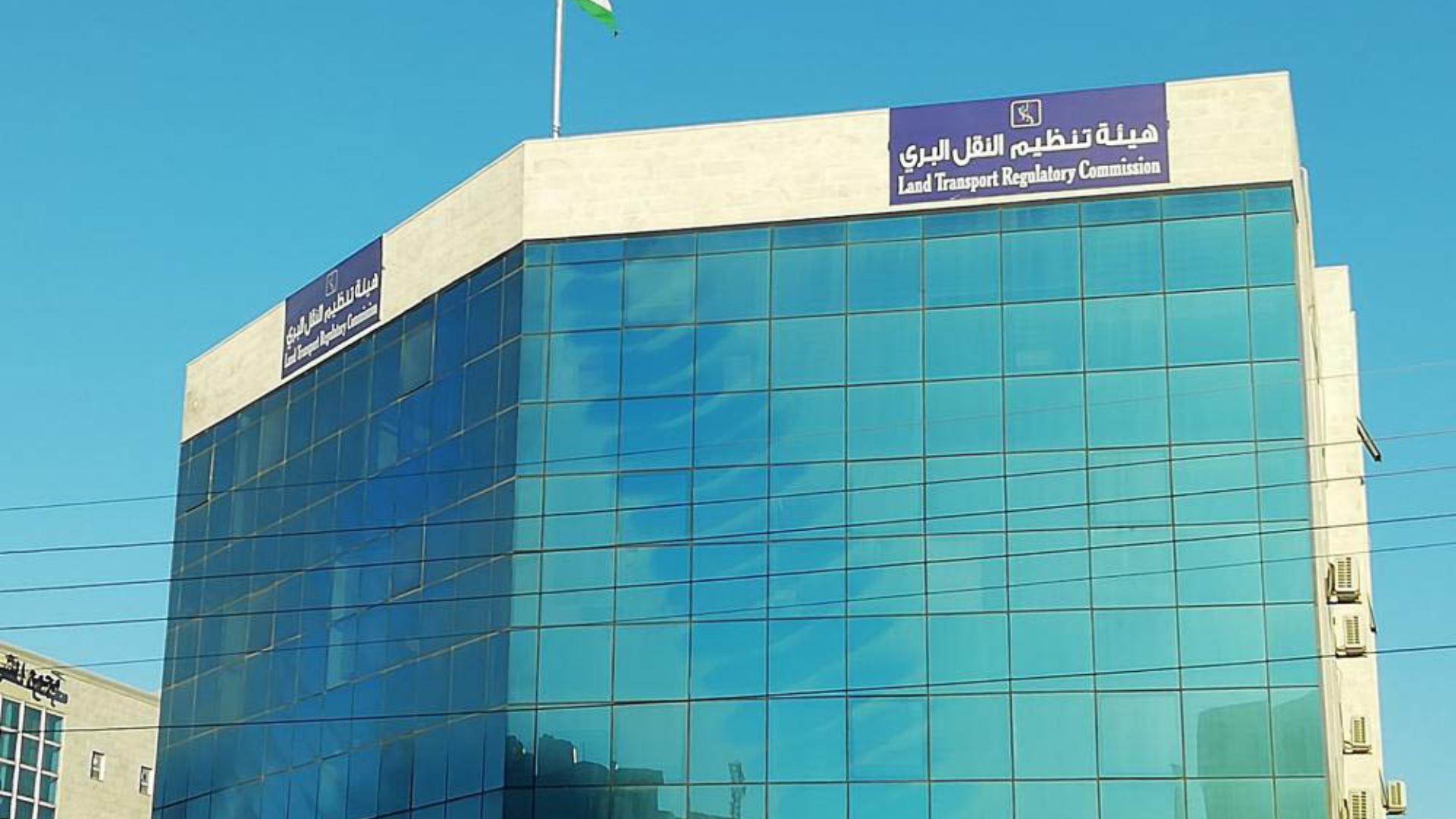
Amman, Sept. 9 (Petra) – The National Public Transport Network
recorded a spike in growth in August, serving nearly 350,000
passengers across its first two phases.
Buses completed 22,431 trips and covered 1.44 million kilometers
across lines linking governorate centers to Amman, inter-governorate
routes, and direct connections to King Hussein Medical Center,
according to Land Transport Regulatory Commission (LTRC) data
released on Wednesday.
Project Director Obadah Abu Qamar said that August’s figures showcase
a shift toward data-driven transit management, allowing operators to
adjust frequencies, capacity, and schedules based on actual passenger
demand rather than static timetables.
Phase 1, which covers five primary routes connecting Irbid, Jerash,
Salt, Karak, and Al-Qasr to Amman, carried 244,411 passengers across
15,737 trips, generating JD302,980.90 in digital payments. The
Salt–Amman route led ridership with 89,251 passengers, followed by
Irbid–Amman with 82,987.
Although total Phase 1 trips fell 5.4 percent compared to July,
digital revenues rose 5.4 percent, pointing to higher bus occupancy
and stronger reliance on electronic ticketing.
Phase 2 routes, including connections such as Zarqa–Irbid,
Zarqa–Mafraq, and Tafileh–Amman, transported 99,951 passengers over
6,694 trips, generating JD187,271.75 electronically. The Zarqa–Irbid
route topped Phase 2 ridership with 30,385 passengers.
Additionally, direct routes servicing King Hussein Medical Center
carried over 7,800 passengers across both phases.
Schedule compliance reached up to 99 percent in Phase 1 and 98
percent in Phase 2, though frequency adherence varied across routes.
LTRC officials noted that integrating electronic ticketing, GPS
tracking, and automated performance metrics provides real-time data
to continually refine route efficiency, increase reliability, and
optimize bus distribution nationwide.
//Petra// HA