Saudi Arabia’s Voluntary Carbon Market Fuels the Shift to a Low-Carbon

Under UAE President’s directives, UAE launches urgent relief response for Ghana flood victims
Combating Desertification and Drought: Qatar a Model in Preserving Natural Resources, Establishing Environmental Stability
UAE allocates US$30 million for emergency humanitarian response in El Obeid, calls for civilian protection, safe humanitarian aid access in Sudan

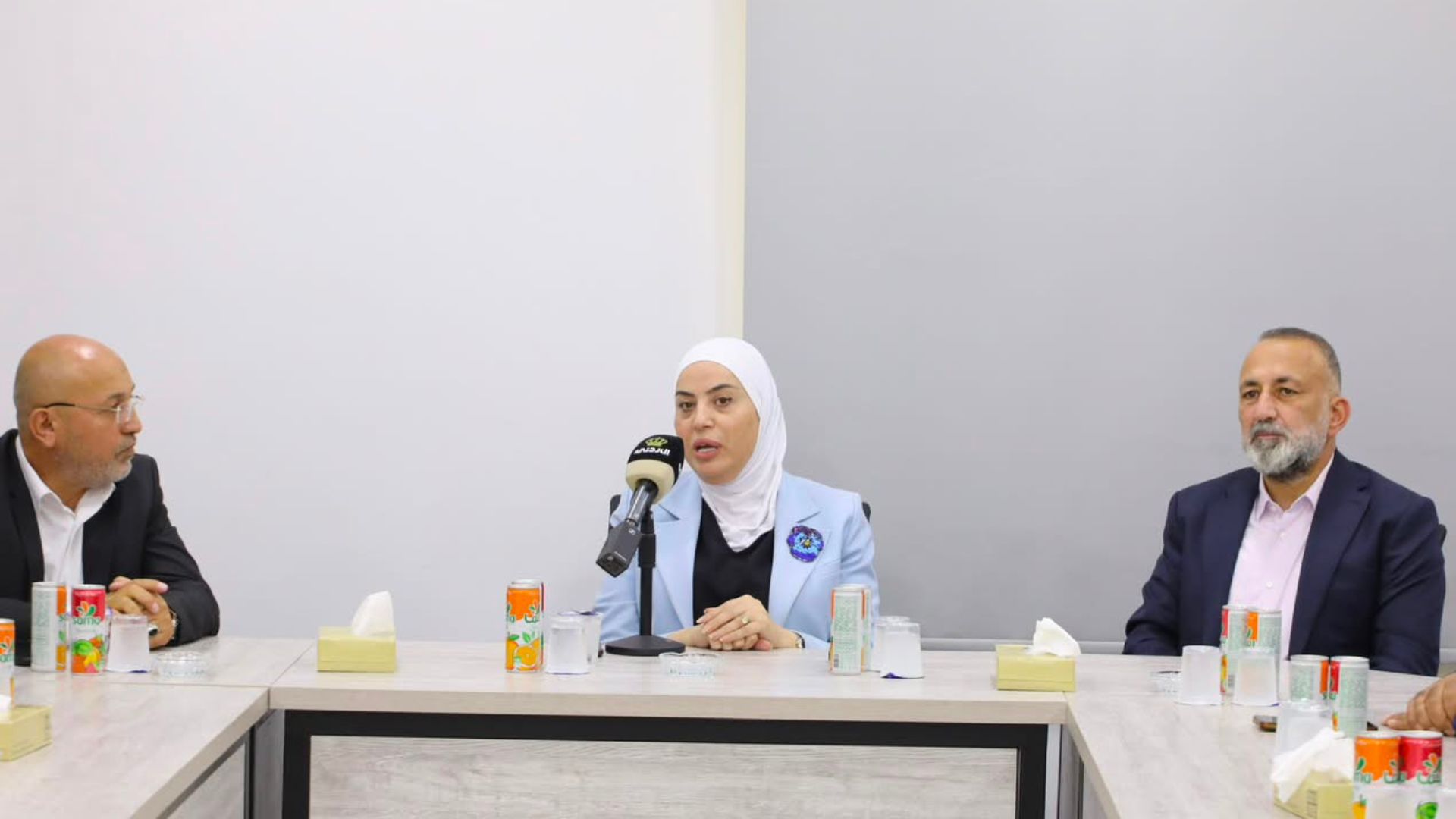
Amman, Sep. 10 (Petra) – Minister of Social Development Wafaa Bani
Mustafa on Thursday visited the Community-Based Rehabilitation Center
for Persons with Disabilities in Wehdat Camp.
During the visit, she checked on services and programs provided to
persons with disabilities, aimed to facilitate their integration,
develop their skills, and enhance their self-reliance.
Bani Mustafa’s visit included the inauguration of 2 new facilities at
the center: A fitness room and a handicrafts workshop, as well as a
tour on the center’s existing amenities.
Bani Mustafa stated that persons with disabilities receive
“high-level” Royal attention, in line with His Majesty King Abdullah
II’s directives to swiftly deliver comprehensive care and support
based on the best relevant practices.
She highlighted His Majesty’s patronage of the third Global
Disability Summit in Berlin last year, as “Amman-Berlin Declaration”
issued at the summit established a “comprehensive rights-based”
framework to enhance the participation of persons with disabilities
and marked a significant milestone in the advancement of their
rights.
As for its future vision, she emphasized the ministry’s ongoing
efforts to establish early intervention centers and comprehensive
day-care centers for persons with disabilities.
This initiative, she said, aligns with the government’s commitment
to expanding services and programs across the Kingdom, which would
foster an approach of inclusion and empowerment within a system of
“inclusive” care alternatives.
She noted that these services include prevention, rehabilitation,
community integration, family counseling, and occupational and
physical therapy, alongside life-skills development designed to
enhance independence and social integration of persons with
disabilities.
Additionally, Bani Mustafa expressed her appreciation for the
Jordanian private sector’s role in supporting social programs for the
most vulnerable groups, including persons with disabilities as part
of its commitment to social responsibility.
She noted that collaboration and partnership among the public,
private, and voluntary sectors constitute a “key” pillar in the
provision of services to persons with disabilities.
//Petra// AG