Saudi Arabia’s Voluntary Carbon Market Fuels the Shift to a Low-Carbon

Under UAE President’s directives, UAE launches urgent relief response for Ghana flood victims

Combating Desertification and Drought: Qatar a Model in Preserving Natural Resources, Establishing Environmental Stability

UAE allocates US$30 million for emergency humanitarian response in El Obeid, calls for civilian protection, safe humanitarian aid access in Sudan

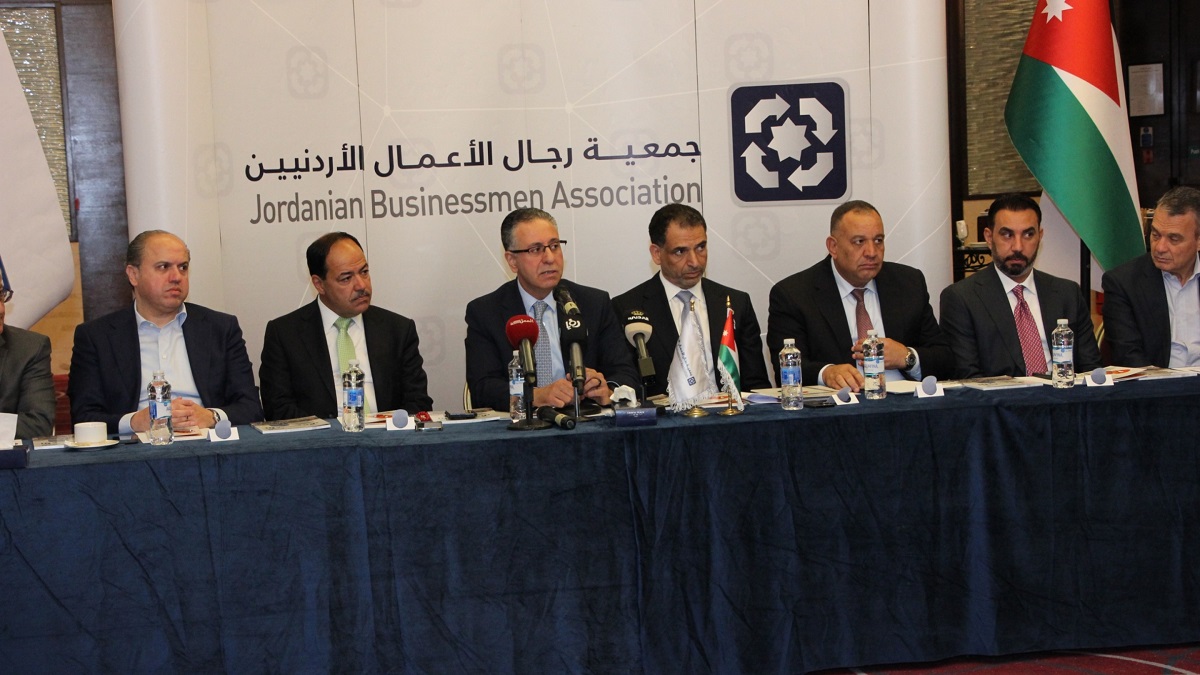
AMMAN, Sept. 15 (Petra) – Minister of Industry, Trade and Supply
Yarub Qudah said Jordan has reached an understanding with the United
States that will keep more than 60 percent of Jordanian exports to
the US market subject to zero tariffs, while the remaining exports
will face an additional tariff of just 10 percent.
Speaking at the regular business breakfast hosted by the Jordanian
Businessmen Association on Monday, Qudah said the rate is among the
lowest imposed under the United States’ new tariff measures. He added
that the arrangement preserves the competitive advantages of
Jordanian exports and strengthens their market positioning in the US.
The minister said the apparel and garment sector secured full
zero-tariff treatment, alongside key commodities including
pharmaceuticals, fertilizers and phosphate, giving Jordanian products
a clear competitive edge over those of many competing countries.
Qudah stressed that the new arrangement does not replace the
Jordan-US Free Trade Agreement, but operates within its framework and
is grounded in its provisions. The agreement remains in force and
continues to provide the legal framework governing trade relations
between the two countries.
He explained that the tariffs announced by the US are additional
duties imposed on top of the standard customs duties applied to other
countries. Jordan, meanwhile, continues to benefit from the
exemptions provided under the free trade agreement, reinforcing the
comparative advantage of national exports.
The minister noted that the government began negotiations with the
US immediately after Washington announced its new tariff policy. The
process involved a series of intensive meetings and negotiating
rounds over several months, with the aim of safeguarding Jordan’s
economic interests and maintaining the competitiveness of national
products in the US market.
He said the negotiations took place amid rapidly changing
developments, including successive US decisions and measures as well
as legal and regulatory developments related to the implementation of
tariffs. This required a flexible negotiating approach focused on
maximizing economic gains while mitigating potential risks to
Jordanian exports.
Qudah highlighted the apparel and garment sector as one of the main
beneficiaries of the arrangement, noting that it retained full
exemption from the additional tariffs at a time when exports from
several competing countries are facing new duties. This, he said,
strengthens the competitive position of Jordanian products and
creates greater potential for expanding their market share in the
United States.
He added that the positive impact of the agreement extends beyond the
apparel sector to other industrial and export-oriented sectors that
have retained their preferential advantages, supporting national
exports and strengthening prospects for growth and expansion in
international markets.
Qudah stressed that the government will continue working in
partnership with the private sector to capitalize on these gains and
build on them, contributing to higher national exports, attracting
investment, and supporting economic growth in the coming period.
//Petra// WH