Saudi Arabia’s Voluntary Carbon Market Fuels the Shift to a Low-Carbon

Under UAE President’s directives, UAE launches urgent relief response for Ghana flood victims

Combating Desertification and Drought: Qatar a Model in Preserving Natural Resources, Establishing Environmental Stability
UAE allocates US$30 million for emergency humanitarian response in El Obeid, calls for civilian protection, safe humanitarian aid access in Sudan

Amman, Sept. 15 (Petra) — Participants at the Arab East Conference
for Agricultural Exports on Tuesday called for greater regional
integration, expanded markets, and stronger agricultural supply
chains to boost exports and enhance food security.
Speaking at the opening of the conference, held under the theme “One
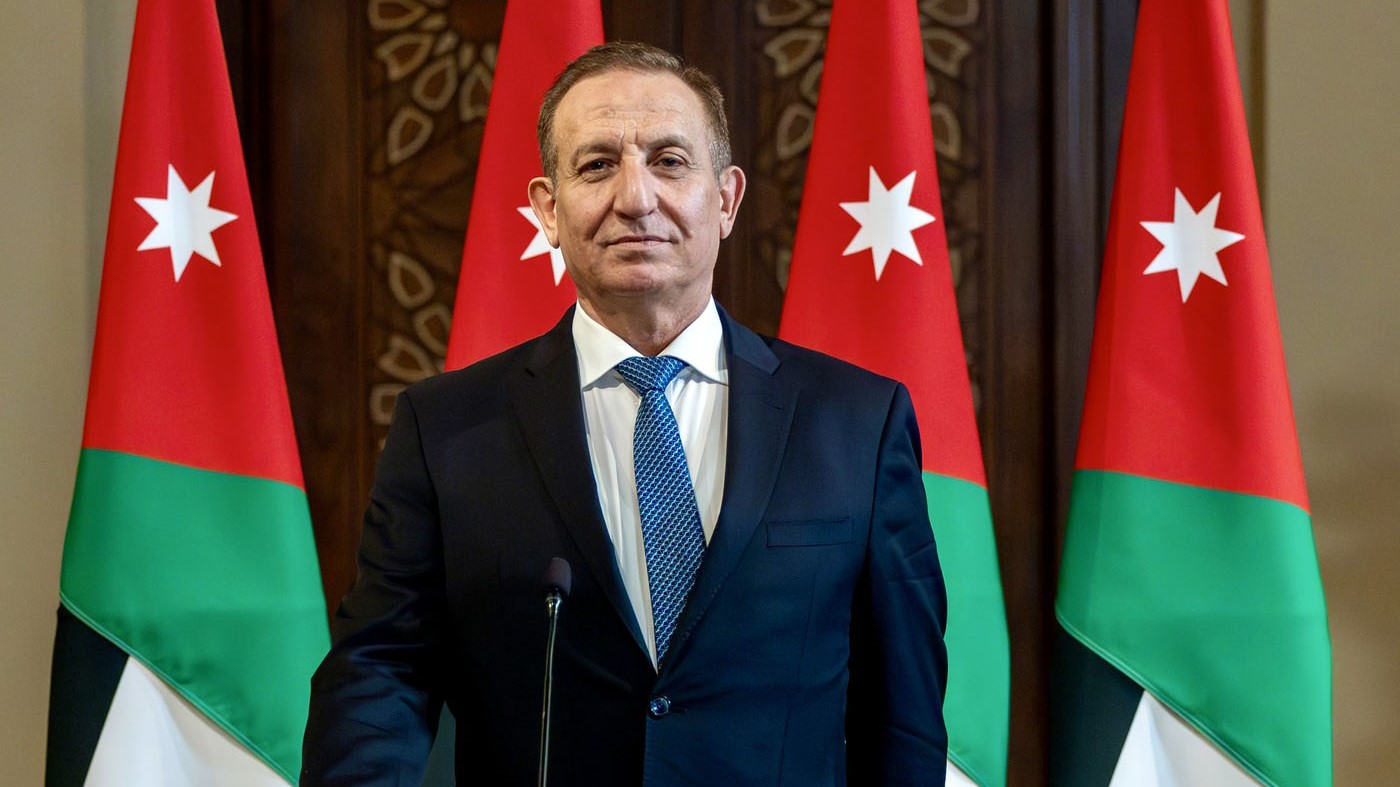
Agricultural Power, Borderless Markets,” Minister of Agriculture Saeb
Khreisat said regional cooperation is increasingly important amid
changes in global agricultural trade, intensifying competition, and
rising requirements for quality, safety, traceability, and
sustainability.
He stressed the need to link agricultural production with processing,
farmers with exporters, and exports with storage, cold-chain
facilities, border crossings, ports, and wider supply chains.
Khreisat said Jordan’s geographic location provides an economic and
logistical advantage for connecting its agricultural exports and
Levantine production with regional and international markets, adding
that export growth requires competitive products, consistent quality
and supply, and efficient transportation and marketing.
He noted that Jordanian vegetable and fruit exports rose 18.6% during
the first eight months of 2026 to about 448,000 tons, compared with
378,000 tons during the same period last year. Vegetable exports
increased 19.1%, while fruit exports rose 17.8%.
The minister said the growth reflects confidence in the
competitiveness of Jordan’s agricultural sector and highlights the
need to expand value-added production and diversify export markets.
He also stressed that agricultural exports should be developed
alongside food security, calling for a shift from exporting products
to exporting value through food processing, grading, packaging,
storage, cooling, traceability, and branding.
Khreisat expressed hope that the conference would produce practical
and sustainable cooperation by facilitating information exchange,
connecting producers with buyers, identifying investment and export
opportunities, addressing logistical and regulatory challenges, and
developing new partnerships.
Mazen Hamarneh, Chair of the Jordan Exporters and Producers
Association for Fruits and Vegetables, called for stronger regional
integration in agricultural production and marketing to expand market
opportunities and open new markets for Jordanian products.
He said the association seeks to establish partnerships with
neighboring countries to absorb Jordan’s agricultural production,
stressing that relations should be based on integration rather than
competition. He also commended government support for efforts to
access new European markets.
Lebanese Agriculture Minister Nizar Hani said agricultural
integration in the Levant has become a strategic necessity amid
global changes, disrupted supply chains, and growing food, water,
energy, and climate challenges.
He called for reactivating the quadrilateral agricultural cooperation
agreement between Lebanon, Jordan, Iraq, and Syria and transforming
it into a practical action program with defined projects, timelines,
responsibilities, and measurable outcomes.
Hajj Hassan said Lebanon is ready to contribute to an integrated Arab
Levant agricultural framework through exchanging expertise and
products, facilitating trade and transportation, promoting joint
investment, and coordinating production seasons and capacities.
Palestinian Agriculture Minister Rizq Salimiyah, speaking via
videoconference, said a Levant agricultural framework should move
beyond geographic terminology and become a practical initiative based
on shared resources, human capital, production capabilities, and
complementary comparative advantages.
He called for replacing the traditional approach, under which each
country seeks to secure its food supply independently, with a more
sustainable model based on regional food integration and collective
food security.
Syrian Deputy Agriculture Minister Mohammad Miqdadi highlighted the
challenges facing agricultural supply chains and affirmed Syria’s
readiness to cooperate with regional partners, expressing hope that
the conference would produce recommendations serving as a road map
for the agricultural sector.
//Petra// AJ