Saudi Arabia’s Voluntary Carbon Market Fuels the Shift to a Low-Carbon

Under UAE President’s directives, UAE launches urgent relief response for Ghana flood victims
Combating Desertification and Drought: Qatar a Model in Preserving Natural Resources, Establishing Environmental Stability
UAE allocates US$30 million for emergency humanitarian response in El Obeid, calls for civilian protection, safe humanitarian aid access in Sudan

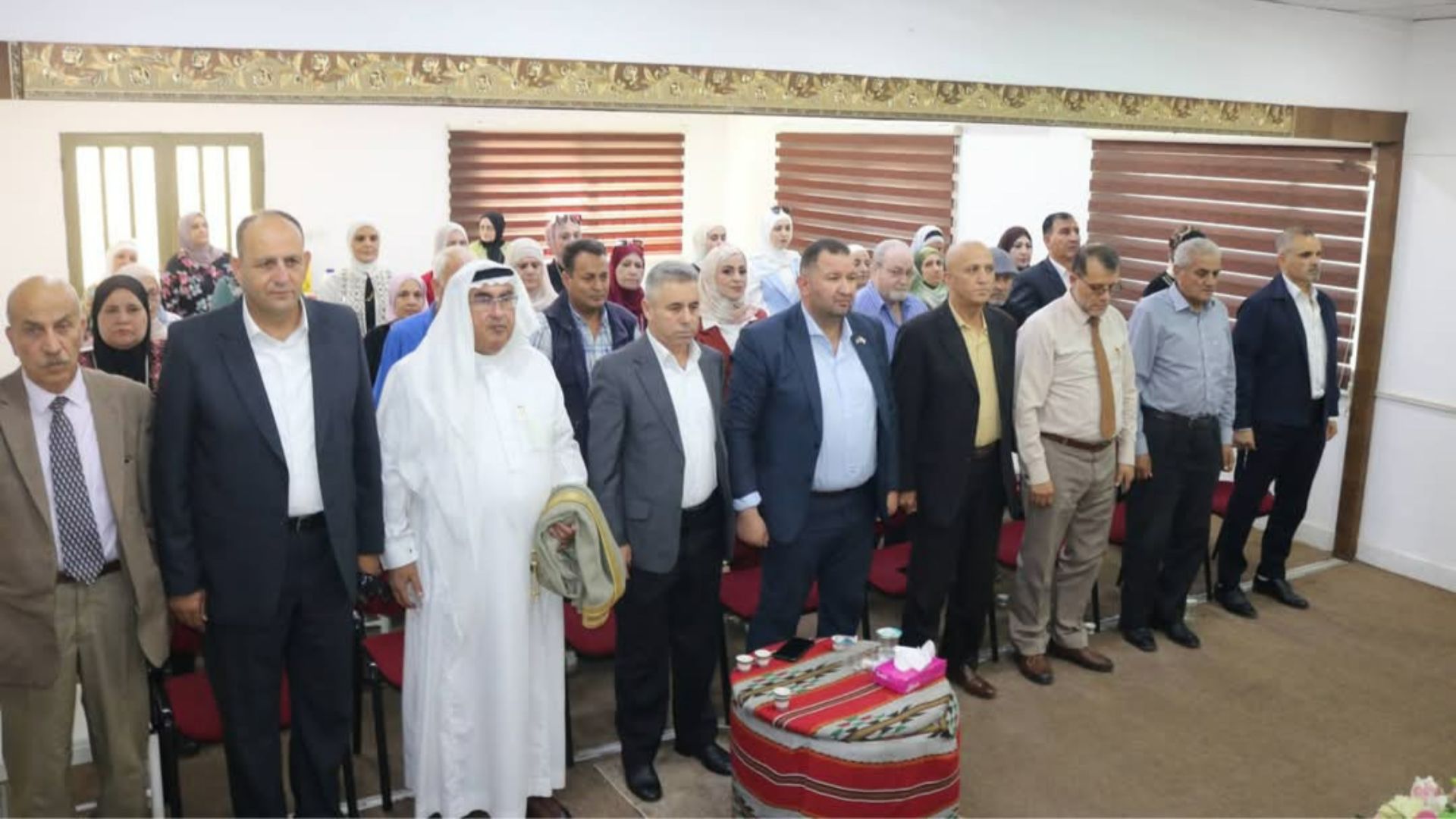
Irbid, Sept 15 (Petra) — The Socio-Cultural Committee of the
Jordanian National Forum for Women (JNFW) Irbid branch hosted a
symposium on Tuesday titled “Family Conflict and Separation: The
Psychological and Legal Impact on Children,” featuring educational
expert Khawla Al-Qadoumi and legal expert Karem Obeidat.
JNFW Irbid Coordinator Yasmeen Al-Zoubi said family disputes
inevitably extend to children, who remain the most vulnerable to the
psychological, educational, and social repercussions of parental
conflict. She noted that the seminar aimed to explore methods to
mitigate these negative impacts, safeguard children, and preserve
overall family stability.
Al-Qadoumi addressed the emotional and behavioral consequences for
children, emphasizing that unresolved parental tension can alter a
child’s psychological development well into adulthood. She explained
that younger children often internalize parental disputes by
developing misplaced feelings of guilt, heightened anxiety, or
depressive symptoms, which can manifest as emotional withdrawal,
behavioral outbursts, or fear of abandonment due to continuous
chronic stress.
For his part, Obeidat detailed the legal frameworks governing child
custody, maintenance, and protection under Jordanian law and Islamic
jurisprudence (Sharia).
Obeidat affirmed that child custody and care determinations
prioritize the best interests of the child, ensuring safety,
stability, and proper upbringing. He highlighted that custody rights
may be revoked by a judge if negligence, abuse, or an inability to
maintain a safe environment is proven, transferring custody to the
next eligible relative in accordance with legal order.
He added that fathers remain legally and religiously obligated to
provide full financial support including housing, food, and living
expenses irrespective of marital dissolution. Obeidat noted that the
Personal Status Law outlines specific conditions under which a father
may petition for primary custody to safeguard the child’s social and
physical welfare.
//Petra// AF