Jordan’s Q2 2026 GDP Expands 3.0%, Outperforming Regional Headwinds, International Forecasts
ENV-KUWAIT-SUSTAINABLITYKuwait strengthens environmental sustainability through strategic initiativesBy Zahra Al-Kadhmi

HLT-KUWAIT-SURGERYKuwait advances health sector with robotic, remote surgeryBy Mohammad Al-Moseb

Saudi Arabia’s Voluntary Carbon Market Fuels the Shift to a Low-Carbon

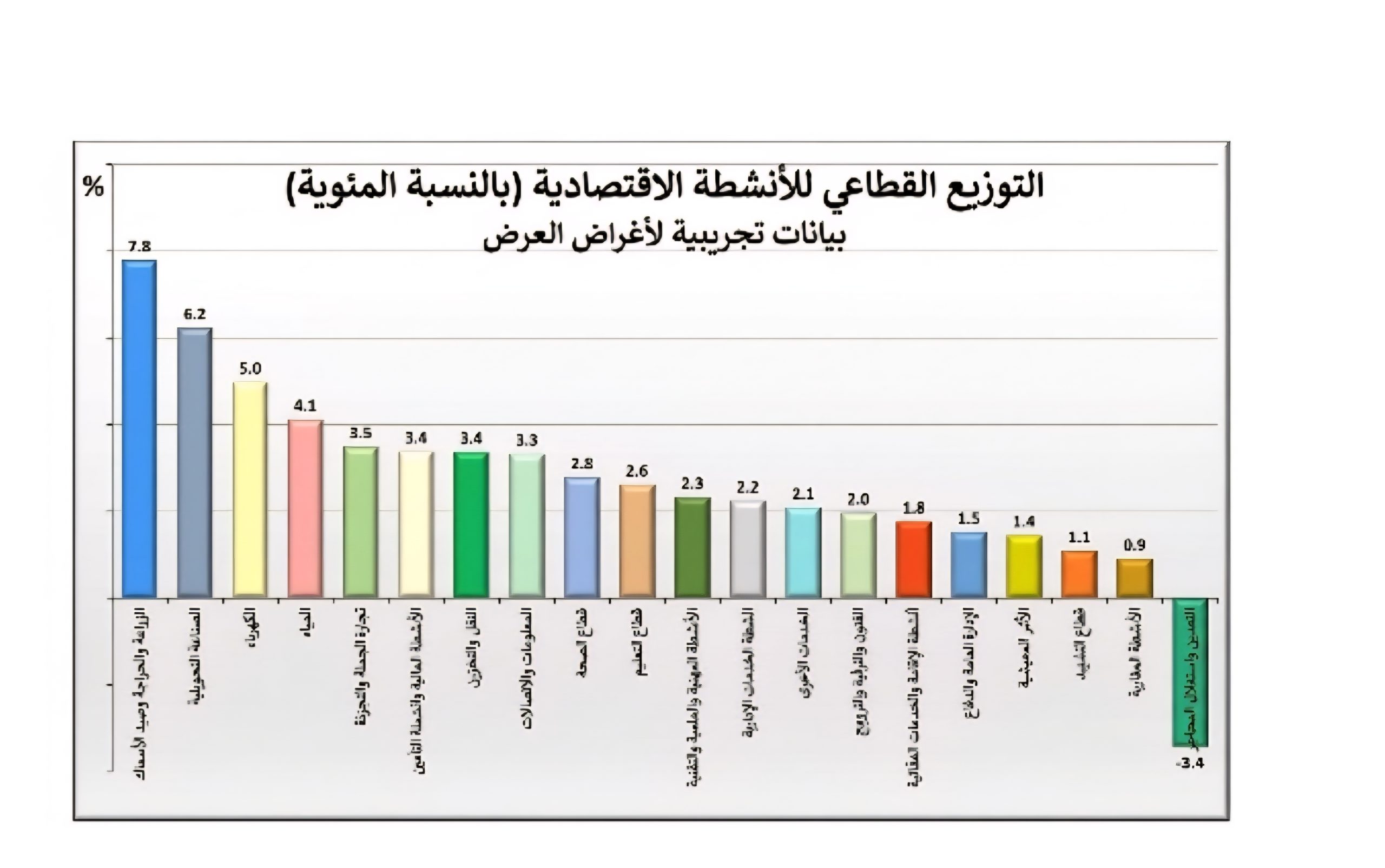
* Multi-Year High Growth Achieved Despite Regional and Global Volatility, Propelled by Proactive Government Economic Policies * Realized Expansion Outpaces Projections Issued by International Financial Institutions * Agriculture, Manufacturing, and Utilities Emerge as Primary Catalysts of Economic Momentum * Agricultural Sector Leads Growth at 7.8 Percent, Followed by Manufacturing at 6.2 Percent and Electricity at 5.0 Percent AMMAN, Sept. 30 (Petra) – Jordan’s real gross domestic product (GDP) expanded by 3.0 percent during the second quarter of 2026 at constant prices, improving upon the 2.8 percent growth recorded in the corresponding period of 2025, according to preliminary quarterly estimates released Wednesday by the Department of Statistics (DOS).The growth trajectory – marking the highest quarterly expansion rate in years – defied severe regional conflict dynamics and macroeconomic volatility, surpassing prevailing growth projections issued by international financial institutions. Officials attribute the resilience to proactive government economic policies, strategic stimulus, and structural decisions that reinforced macroeconomic indicators.Sectoral Drivers and Productivity Growth Productivity gains across key productive verticals spearheaded the economic expansion during the quarter. The agricultural sector led all segments with a robust 7.8 percent growth rate, followed by manufacturing industries at 6.2 percent, electricity supply at 5.0 percent, and water supply at 4.1 percent.In terms of sectoral contributions to the aggregate real GDP growth rate, the manufacturing sector delivered the highest impact at 1.04 percentage points, followed by agriculture at 0.34 percentage points, and wholesale and retail trade at 0.25 percentage points.Macroeconomic Structure and Value Added The preliminary estimates underscore a diversified economic structure. Manufacturing maintained its position as the largest contributor to total real GDP, accounting for 17.2 percent. Real estate activities followed at 12.2 percent, public administration and defense at 7.9 percent, and wholesale and retail trade at 7.1 percent.//Petra// AA