Jordan’s Q2 2026 GDP Expands 3.0%, Outperforming Regional Headwinds, International Forecasts

ENV-KUWAIT-SUSTAINABLITYKuwait strengthens environmental sustainability through strategic initiativesBy Zahra Al-Kadhmi

HLT-KUWAIT-SURGERYKuwait advances health sector with robotic, remote surgeryBy Mohammad Al-Moseb

Saudi Arabia’s Voluntary Carbon Market Fuels the Shift to a Low-Carbon

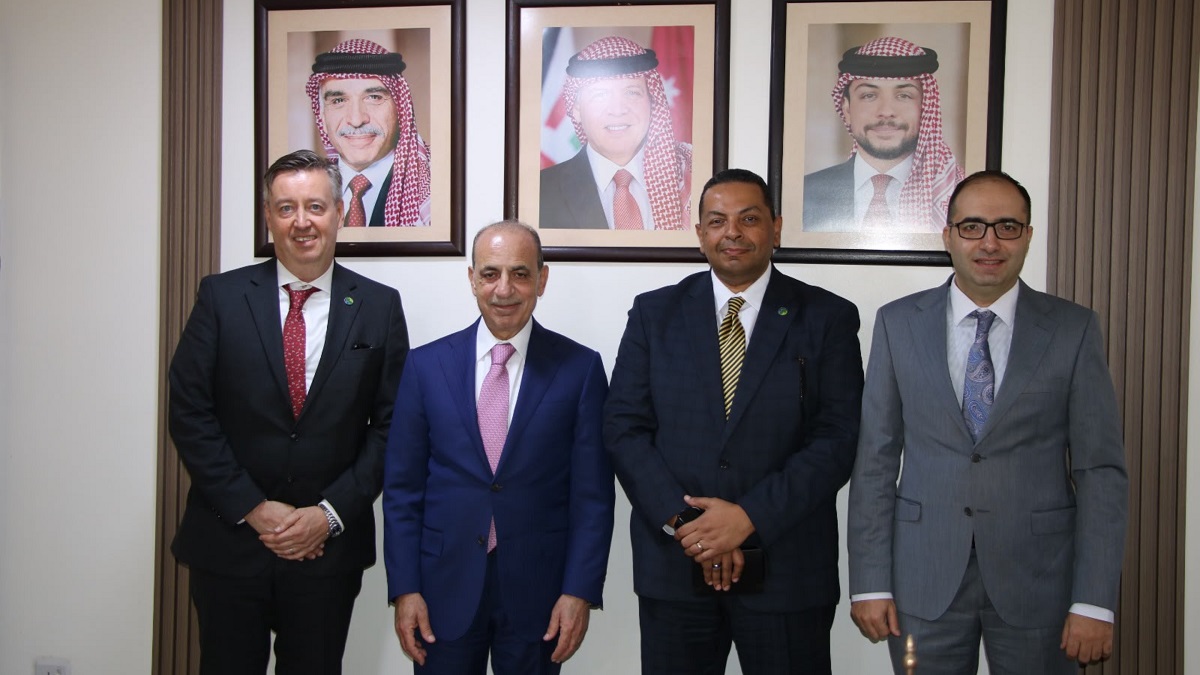
Amman, Oct. 12 (Petra) — Jordan is seeking to strengthen its
partnership with the Green Climate Fund (GCF) and expand access to
climate finance to support municipalities and local communities in
addressing the impacts of climate change.
Deputy Prime Minister and Minister of Local Administration Walid
Al-Masri, who chairs the board of the Cities and Villages Development
Bank, outlined these priorities during a meeting with a GCF
delegation to discuss cooperation opportunities and the development
of climate projects at the national and regional levels.
The delegation included Thomas Eriksson, the fund’s Director of the
Department of the Eastern Europe, Central Asia, and the Middle East
Region, and Regional Director Amgad Elmahdi.
Al-Masri stressed that cooperation with the fund should extend beyond
project financing to include institutional capacity-building,
programme development and stronger partnerships among national
institutions, international organisations and the private sector.
Such efforts would help translate climate priorities into practical
projects with lasting development benefits.
He also highlighted the strategic importance of securing GCF
accreditation for the Cities and Villages Development Bank, which
would strengthen Jordan’s direct access to international climate
finance. This would enable the bank to channel funding towards the
needs of government institutions and municipalities and help develop
projects eligible for climate financing.
The discussions covered several priority areas, including zero-waste
initiatives, the circular economy, reuse and recycling, and more
efficient resource management. These initiatives could help
municipalities reduce environmental pressures and financial burdens.
Water harvesting projects and sustainable solutions to support local
development were also discussed.
Al-Masri underscored the need to strengthen early warning systems,
improve preparedness for climate-related risks and accelerate
response efforts to minimise potential losses and damage to
communities, infrastructure and essential services, while addressing
the needs of municipalities and local residents.
He also highlighted the importance of a regional dialogue scheduled
for December, describing it as an opportunity to exchange expertise,
identify shared priorities and build partnerships among public- and
private-sector stakeholders and institutions working in climate
finance, development and climate action.
Al-Masri said stronger partnerships would help attract climate
finance, develop projects with tangible and sustainable benefits, and
reinforce Jordan’s role in advancing climate action across the
region.
//Petra//WH