Saudi Arabia’s Voluntary Carbon Market Fuels the Shift to a Low-Carbon

Under UAE President’s directives, UAE launches urgent relief response for Ghana flood victims

Combating Desertification and Drought: Qatar a Model in Preserving Natural Resources, Establishing Environmental Stability

UAE allocates US$30 million for emergency humanitarian response in El Obeid, calls for civilian protection, safe humanitarian aid access in Sudan

Amman, Sept. 16 (Petra) — Government agencies are stepping up
preparations for the winter season, reviewing emergency response
plans, infrastructure readiness and electricity supply measures to
minimize disruptions during severe weather.
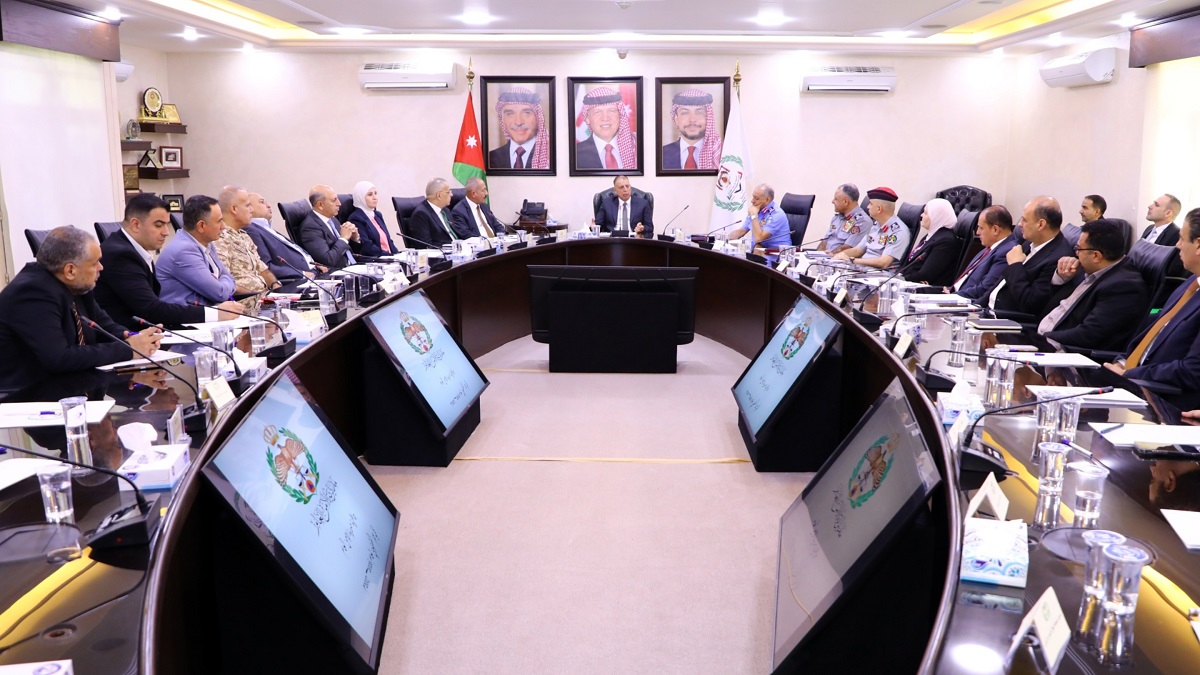
The Higher Civil Defense Council, chaired by Interior Minister Mazen
Faraya, assessed the readiness of relevant institutions and reviewed
a comprehensive national plan setting out coordination and response
procedures for weather-related emergencies.
The meeting brought together Public Security Directorate (PSD)
Director Maj. Gen. Obeidallah Maaytah, secretaries-general of
relevant ministries and representatives of agencies designated under
the law.
The council reviewed scenarios that could affect public movement and
essential services, along with response mechanisms developed in light
of lessons from previous winter seasons.
Faraya directed governors to activate emergency plans prepared by
local civil defense committees and take precautionary measures to
address potential weather hazards.
He said early preparedness and adherence to emergency plans are
essential to reducing risks to people and property and maintaining
essential services during adverse conditions.
Maaytah said the PSD has developed joint operational plans across its
departments, particularly Civil Defense and the Gendarmerie, as part
of its preparations as a first responder to winter-related
emergencies.
He added that work is continuing to upgrade Civil Defense
capabilities in line with Royal directives and evolving emergency
response requirements.
The Civil Defense director briefed the council on field readiness and
response procedures for a range of potential scenarios.
Infrastructure preparedness was also reviewed, with the Local
Administration Ministry outlining measures taken to address problems
identified during the previous winter and ensure continuity of
services during the rainy season.
The Energy and Mineral Resources Ministry presented electricity
companies’ preparations for winter and their readiness to respond to
potential disruptions.
The council also reviewed procedural requirements under Public
Security Law No. 38 of 1965 and its amendments to ensure effective
coordination among agencies during emergencies.
The meeting was held early enough in the preparedness cycle to allow
institutions to identify and address any gaps before winter
conditions intensify.
//Petra// RZ