Saudi Arabia’s Voluntary Carbon Market Fuels the Shift to a Low-Carbon

Under UAE President’s directives, UAE launches urgent relief response for Ghana flood victims

Combating Desertification and Drought: Qatar a Model in Preserving Natural Resources, Establishing Environmental Stability
UAE allocates US$30 million for emergency humanitarian response in El Obeid, calls for civilian protection, safe humanitarian aid access in Sudan

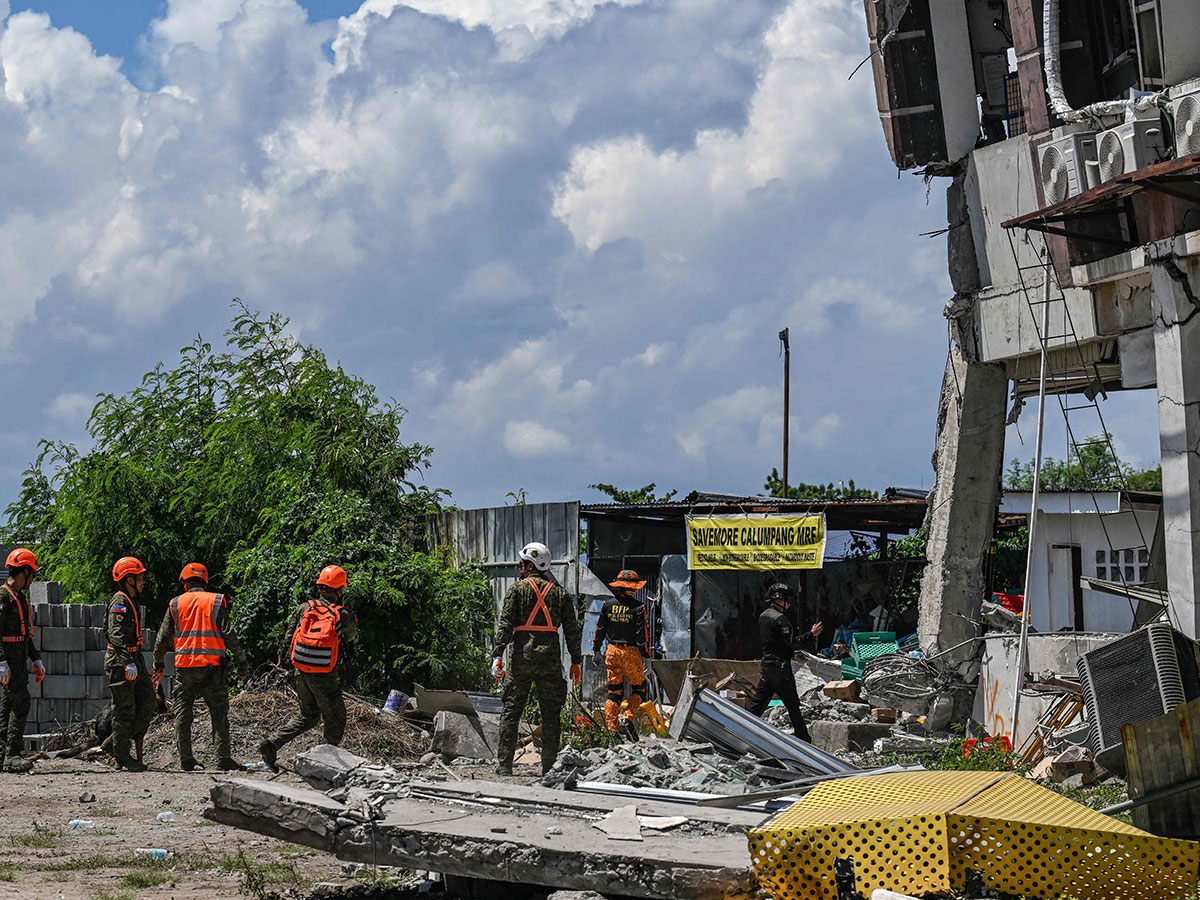
Manila, June 11 (QNA) – The death toll from the devastating 7.8 magnitude earthquake that struck off the coast of Sarangani in the southern Philippines has risen to more than 50.
The Philippine Bureau of Fire Protection reported that rescue teams have recovered 53 bodies so far, but the number is still being verified as authorities work to identify the victims. Search and rescue efforts are ongoing, with units being sent from other regions to reinforce those already deployed in the affected area.
The earthquake forced more than 20,000 people to flee their homes and seek refuge in emergency shelters, while approximately 88,000 people were directly affected by the disaster. The widespread damage also caused power, water, and communication outages in several affected areas.
The Philippine Institute of Volcanology and Seismology (PHIVOLCS) recorded more than 138 aftershocks since the earthquake, the strongest of which measured 6.7 on the Richter scale, prompting many residents to spend the night in evacuation centers and tents.
According to initial assessments, approximately 2,000 houses and 117 government buildings and facilities were damaged in the affected provinces. Air traffic at General Santos International Airport was temporarily suspended before partially resuming.
The Philippines lies along the Pacific Ring of Fire, one of the most seismically and volcanically active regions in the world, making it frequently vulnerable to powerful earthquakes, volcanic eruptions, and tsunamis. The country experiences hundreds of earthquakes annually, ranging from minor tremors to devastating ones that cause significant loss of life and property. (QNA)