Jordan’s Q2 2026 GDP Expands 3.0%, Outperforming Regional Headwinds, International Forecasts

ENV-KUWAIT-SUSTAINABLITYKuwait strengthens environmental sustainability through strategic initiativesBy Zahra Al-Kadhmi

HLT-KUWAIT-SURGERYKuwait advances health sector with robotic, remote surgeryBy Mohammad Al-Moseb

Saudi Arabia’s Voluntary Carbon Market Fuels the Shift to a Low-Carbon

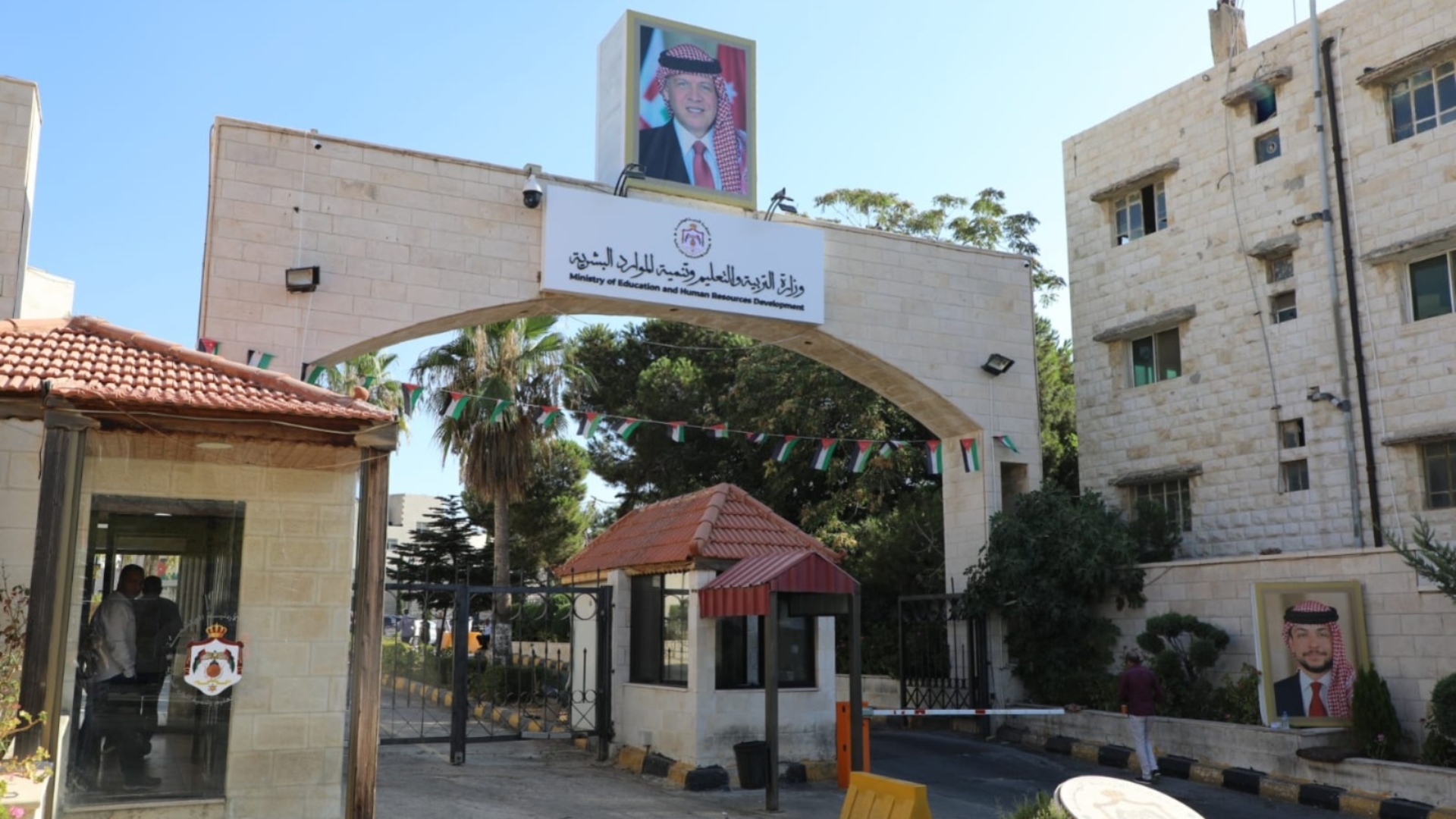
Amman, Oct. 12 (Petra) – The Ministry of Education and Human Resource
Development warned students and parents on Monday against enrolling
in unaccredited high school programs offered by foreign schools and
institutions outside the Kingdom.
The ministry urged families to verify the legal status of overseas
educational institutions before registering.
Officials stressed the need to confirm that foreign schools and their
curricula are fully accredited and recognized by Jordanian
authorities. The ministry warned that enrolling in unapproved
institutions creates severe future complications regarding diploma
equivalency and accreditation, potentially blocking students from
enrolling in higher education institutions.
The ministry cautioned families against falling for promotional
advertisements or unverified promises regarding easy diploma
equivalency.
Parents and students were advised to seek information exclusively
from official ministry channels to verify the accreditation of any
foreign institution prior to enrollment, ensuring students protect
their educational rights and future prospects.
Warning commercial educational agencies against marketing
unauthorized overseas schools, the ministry declared such promotional
activities illegal and confirmed it will take strict legal action
against violating offices inside Jordan.
Pointing to domestic educational reforms, the ministry encouraged
students to remain in the Kingdom, noting that Jordan’s revamped
General Secondary Education Certification Examination (Tawjihi)
system offers multiple opportunities to pass and achieve competitive
university admission scores.
The new system offers added flexibility by allowing students to take
ministerial exams across two years, removing the incentive to seek
risky alternative credentials abroad.
//Petra// HA