Saudi Arabia’s Voluntary Carbon Market Fuels the Shift to a Low-Carbon

Under UAE President’s directives, UAE launches urgent relief response for Ghana flood victims

Combating Desertification and Drought: Qatar a Model in Preserving Natural Resources, Establishing Environmental Stability
UAE allocates US$30 million for emergency humanitarian response in El Obeid, calls for civilian protection, safe humanitarian aid access in Sudan

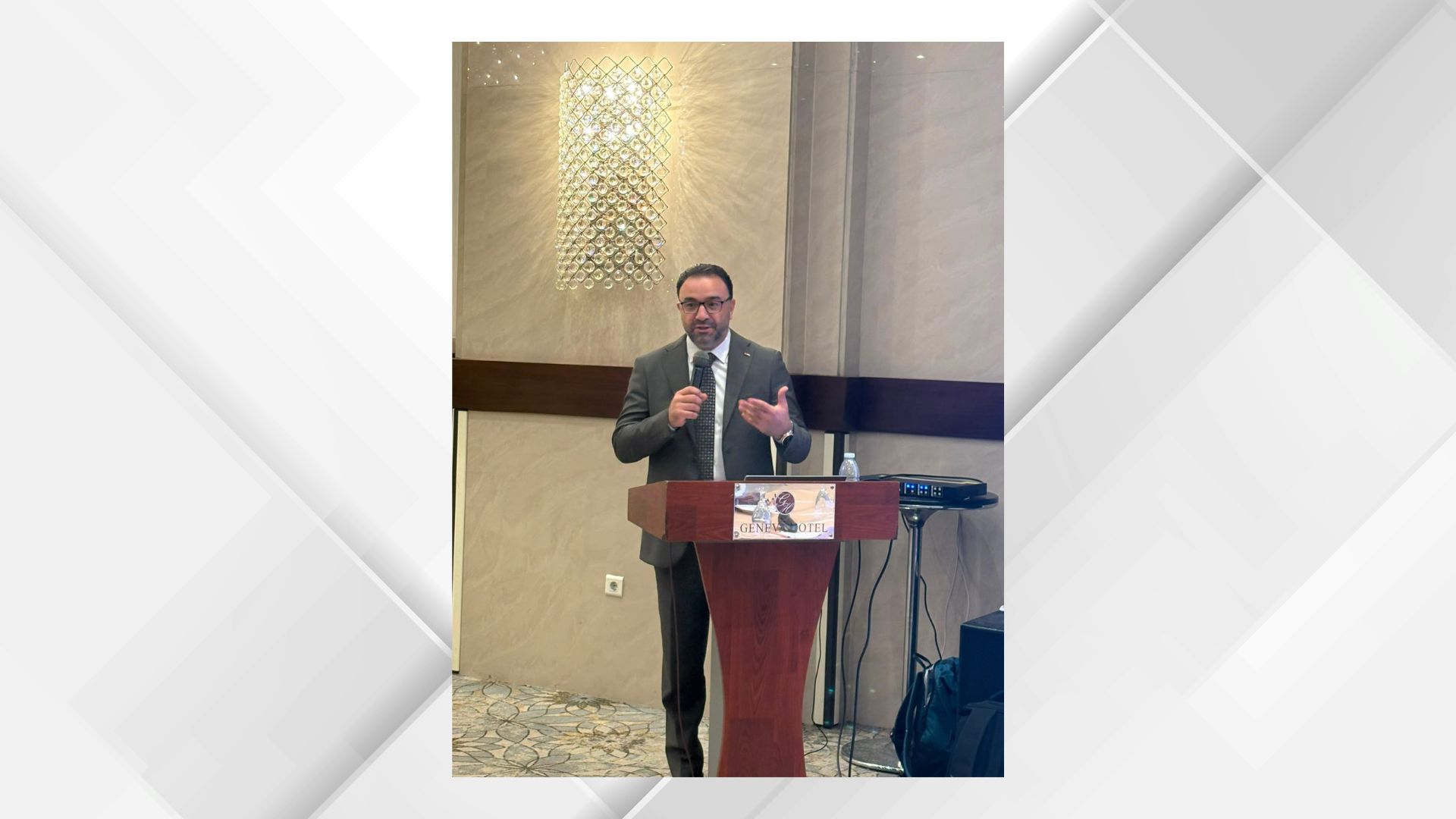
Amman, July 29 (Petra) – The Ministry of Environment on Wednesday
launched a two-day workshop on integrating social and behavioral
change into Jordan’s green growth agenda, as part of efforts to
strengthen national coordination and support implementation of the
Economic Modernization Vision.
The workshop, titled “Social and Behavioral Change for Green Growth
in Jordan,” is supported by the Green Action in Enterprises (GAIN)
project, implemented by the German Agency for International
Cooperation (GIZ) in partnership with the ministry. It brings
together members of the Technical Committee for Green Growth,
representatives of government institutions, the private sector,
academia, civil society organizations, and development partners.
The workshop aims to familiarize participants with the principles and
applications of social and behavioral change in policymaking, review
international best practices, and examine ways to integrate
behavioral approaches into Jordan’s environmental and circular
economy priorities, with particular emphasis on sustainable
consumption and purchasing behaviors.
The program also features interactive sessions designed to strengthen
cooperation among stakeholders and promote the integration of
behavioral and social considerations into the design and
implementation of green growth policies and initiatives.
Ministry of Environment Secretary-General and Chairperson of the
Technical Committee for Green Growth, Omar Arabiyat, said the
Technical Committee for Green Growth serves as a national platform
for strengthening dialogue, exchanging expertise and developing
shared visions that support Jordan’s transition toward a more
sustainable economy.
He stressed that achieving lasting impact requires more than policies
and legislation, noting that understanding the factors influencing
individual and institutional behavior is essential to translating
policy into effective action.
Arabiyat added that social and behavioral change approaches have
become an important tool for improving the effectiveness of public
policies and programs by identifying the drivers behind
decision-making and encouraging more sustainable practices.
//Petra// AJ