Jordan’s Q2 2026 GDP Expands 3.0%, Outperforming Regional Headwinds, International Forecasts
ENV-KUWAIT-SUSTAINABLITYKuwait strengthens environmental sustainability through strategic initiativesBy Zahra Al-Kadhmi

HLT-KUWAIT-SURGERYKuwait advances health sector with robotic, remote surgeryBy Mohammad Al-Moseb

Saudi Arabia’s Voluntary Carbon Market Fuels the Shift to a Low-Carbon

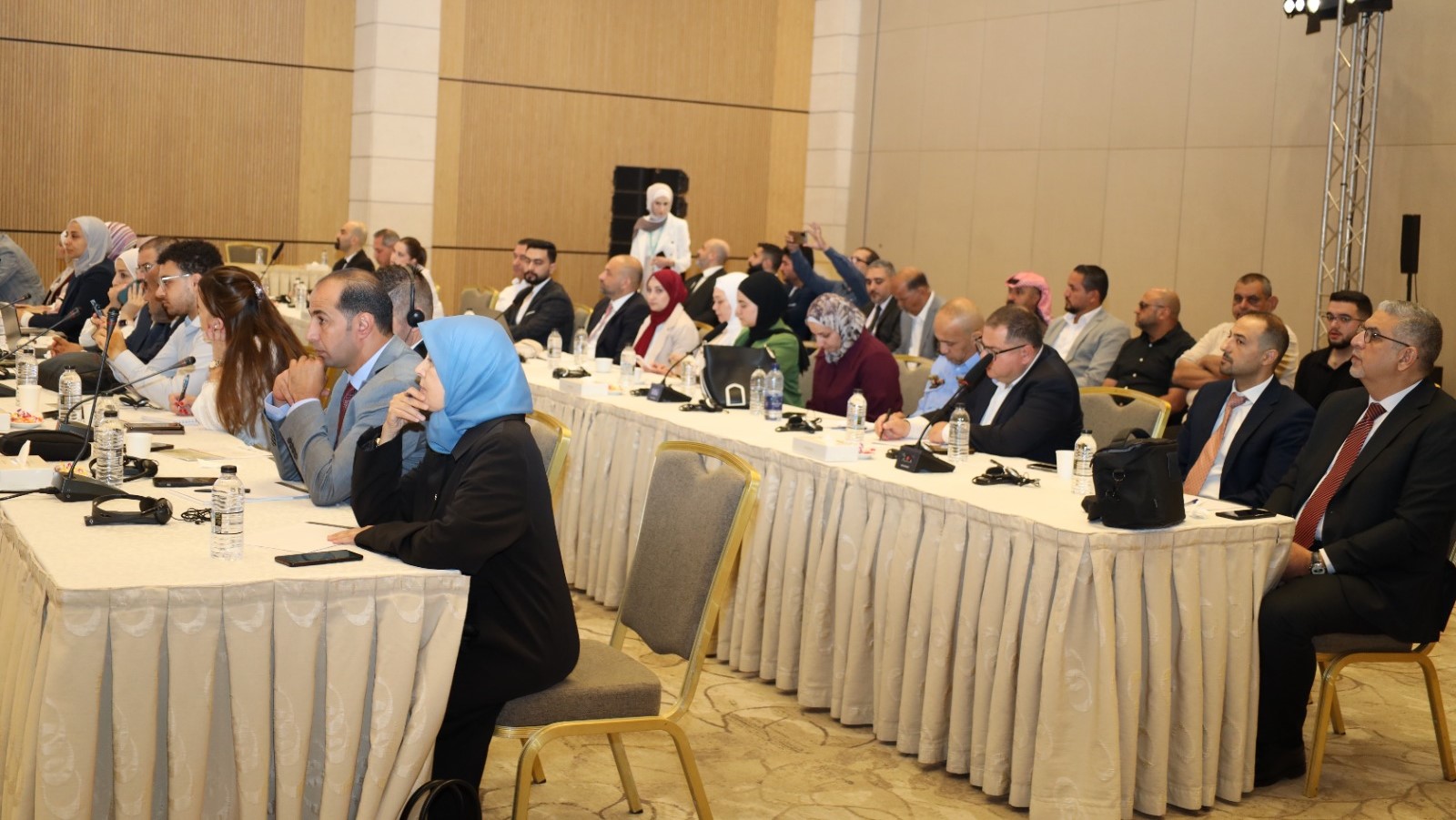
Amman, Sept. 22 (Petra) — A dialogue session organized by the
Ministry of Transport in cooperation with the European Union and the
Global Green Growth Institute (GGGI) on Tuesday discussed ways to
strengthen private-sector participation in developing and improving
the efficiency of public transport and enhancing the quality of
services provided to citizens.
The session was held as part of activities under the €41 million
European Union grant agreement for the EU-Jordan Partnership for
Green Transition Programme.
The session aimed to discuss challenges and opportunities in the
public transport sector, strengthen cooperation between government
institutions and the private sector, and produce practical
recommendations to develop public transport services and improve
their efficiency and sustainability.
Transport Ministry Secretary-General Fares Abu Diyeh said the
transport sector is one of the key sectors supporting the national
economy and creating jobs. With demand for mobility services
continuing to grow and the number of vehicles rising to about 2.01
million in 2024, there is a growing need to develop more efficient,
reliable, and attractive public transport options that meet citizens’
needs and support economic growth.
The ministry is working to develop the public transport system and
improve operational efficiency and service regularity through public
transport projects, including scheduled services between Amman and
governorate centers, the Bus Rapid Transit (BRT) project, and
departure and arrival terminals, he said.
Abu Diyeh said the development of the transport sector is linked not
only to improving mobility and service levels but also to energy
efficiency and reducing emissions. Transport was among the Kingdom’s
largest energy-consuming sectors, accounting for about 41% of total
final energy consumption in 2024, he said.
“This underscores the importance of developing a transport system
that is more energy efficient and less reliant on conventional fuels,
contributing to lower emissions and greater sustainability,” he said.
The transition represents an environmental opportunity while also
opening new economic and investment opportunities for the private
sector, which is a key partner in developing Jordan’s transport
system, Abu Diyeh said. He added that the Ministry of Transport
remains committed to working with all partners to develop public
transport.
Director-General of the Land Transport Regulatory Commission (LTRC)
Riyad Al-Kharabsheh stressed the importance of the dialogue session
in strengthening cooperation with the private sector to advance
public transport through an exchange of ideas and proposals.
The session provides an opportunity to hear and discuss the private
sector’s observations and proposals to develop the sector, making it
more efficient and attractive to citizens and investors, he said.
Al-Kharabsheh also highlighted the importance of electrifying public
transport vehicles and providing all necessary means to support the
transition. He said the transport project linking Amman with the
governorates had achieved significant progress that could provide a
basis for further development of the transport system.
Hanina Ben Bernou, the European Union Delegation to Jordan’s officer
for green business, innovation, and connectivity, said the session
provided an important opportunity to exchange expertise and best
practices to strengthen public transport in Jordan.
“We have diverse partnerships with Jordan in the transport sector,
particularly in urban transport, railways, and aviation, as well as
in developing the Ministry of Transport’s strategy,” she said.
Ben Bernou stressed the importance of private-sector participation in
developing and strengthening public transport and encouraging
citizens to use public transport, making the sector more efficient
and attractive.
She praised government measures aimed at promoting the use of
electric vehicles and called for building on those achievements by
transitioning public transport buses to electric vehicles (EVs).
The United Nations Industrial Development Organization (UNIDO)
representative Sulafa Mdanat said sustainable transport is a key
component of the transition towards a more efficient and sustainable
economy.
She said the importance of the transition goes beyond reducing
emissions and protecting the environment to include improving energy
efficiency, enhancing competitiveness, improving service quality, and
creating new opportunities for investment and innovation.
The transition to electric transport presents an important
opportunity for Jordan to develop its transport sector, benefit from
modern technologies, encourage new business models, and strengthen
the private sector’s role in the transition, Mdanat said.
She noted that the success of the transition requires an integrated
approach to the electric transport system, involving not only the
provision of electric buses but also the development of charging
infrastructure, maintenance services, energy management, digital
solutions, and the technical skills and capacities required by the
sector.
The investments needed to modernize fleets, develop infrastructure,
and introduce new technologies require a suitable investment
environment, innovative financing models, and effective partnerships
among government institutions, operators, financial institutions, and
technology providers, she said.
Mdanat reaffirmed UNIDO’s continued support for Jordan’s efforts to
promote industrial development, encourage innovation and technology
transfer, and strengthen private-sector participation in the
transition to a greener and more efficient economy.
GGGI representative Christophe Assicot praised government measures
that have contributed to increasing the use of electric vehicles to
65%, compared with a global rate of 14%, saying Jordan had made
significant progress in electric transport.
He said the electrification of transport is a government priority and
highlighted the private sector’s role in increasing the use of
electric buses in public transport.
Assicot attributed the limited use of electric buses to insufficient
knowledge of electric-bus technology, high import costs, and the
absence of a national technical standard for buses.
President of the General Union of Public Bus Owners Abdul Razzaq
Al-Khashman outlined key challenges facing the transport sector,
including unlicensed private transport services, fuel and maintenance
costs, individual ownership, fleet renewal and replacement
requirements, mandatory insurance for drivers, social protection,
infrastructure, and the availability of transport terminals, as well
as smart transport applications.
Al-Khashman called for activating the Passenger Support Fund,
consolidating companies, providing financial support to modernize
fleets, offering financing facilities, and exempting operators from
customs duties and taxes.
Participants stressed the importance of strengthening the private
sector’s role in developing the public transport system and providing
all necessary facilities to support the green transition,
particularly the use of electric buses in public transport.
//Petra// AF