Jordan’s Q2 2026 GDP Expands 3.0%, Outperforming Regional Headwinds, International Forecasts
ENV-KUWAIT-SUSTAINABLITYKuwait strengthens environmental sustainability through strategic initiativesBy Zahra Al-Kadhmi

HLT-KUWAIT-SURGERYKuwait advances health sector with robotic, remote surgeryBy Mohammad Al-Moseb

Saudi Arabia’s Voluntary Carbon Market Fuels the Shift to a Low-Carbon

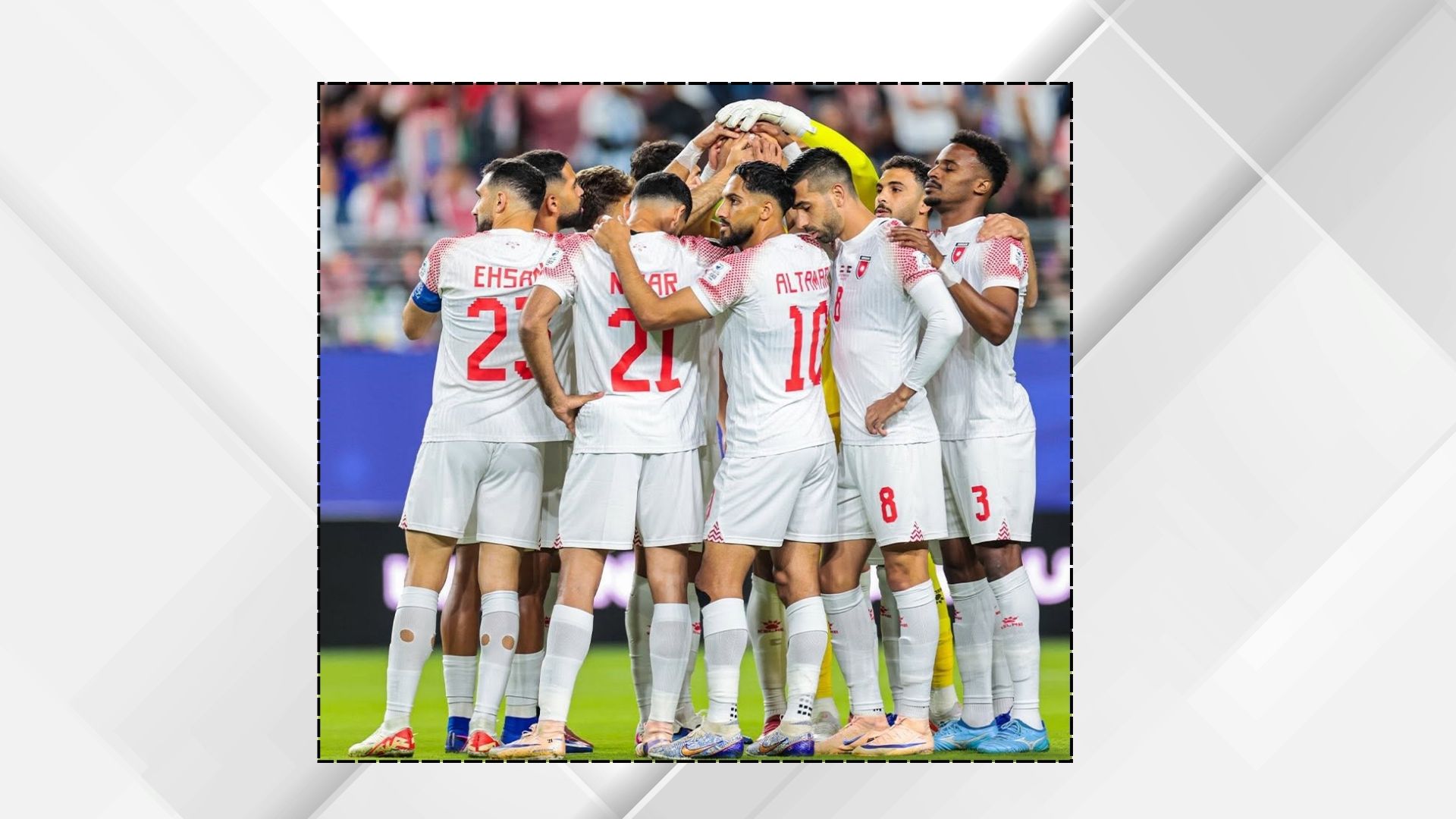
Amman, June 17 (Petra) – Leather and Garment Industries Sector at
Jordan Chamber of Industry (JCI), Ehab Qadri, said participation of
the Jordanian national team in the World Cup finals presents a
“strategic” economic opportunity, which should be leveraged to build
a sustainable and effective sports economy.
Qadri said this policy would support Jordanian industry, stimulate
investment, and generate new job opportunities, in line with the
objectives of the economic modernization vision.
Qadri, in remarks to “Petra,” said sports have become a “fully
integrated” global industry linked to production, investment, trade,
services, and innovation.
He affirmed “true” success is rather linked by a country’s ability to
transform this achievement into sustainable economic value that
promotes growth and generates employment opportunities.
Qadri added that the Kingdom’s leather and garment sector is among
the industries that are “best positioned” to benefit from this
milestone, as one of the largest industrial and export sectors in the
Kingdom.
To date, he he stated the sector comprises more than 1,000 factories
and industrial facilities, provides employment for over 95,000
workers, and its exports have exceeded $2.5 billion, representing
approximately 26% of total Jordanian industrial exports.
He noted the direct impact will not be limited to sportswear, but
will extend to numerous promotional products associated with the
national team, mainly headscarves, flags, scarves, hats, and
souvenirs.
He said supplies for events organized by companies, institutions,
universities, schools, and clubs to celebrate the team’s
participation in the World Cup also benefit from this ocassion.
This situation will, in turn, affect production in factories and
their associated supply chains, he pointed out.
He said supporting local products at this stage represents a “direct
investment” in the Jordanian economy.
He noted: “Every dinar spent on purchasing local products contributes
to keeping approximately 70 to 80 piasters within the Jordanian
economy through wages, employment, supply chains, logistics,
printing, packaging, transportation, and marketing.
This situation, he stated, multiplies the economic impact of local
spending and makes supporting national industry a driver of economic
growth.
He remarked the “true” economic value of this achievement lies not in
the number of products sold during the tournament, but rather in
Jordan’s ability to transform national momentum into sustainable
economic demand.
He said this vision will lead to develop Jordanian apparel and
sportswear industry, enhance e-commerce, build specialized Jordanian
brands, and increase competitiveness of local products, in both
domestic and international markets.
//Petra// AG