
Saudi Arabia’s Voluntary Carbon Market Fuels the Shift to a Low-Carbon

Under UAE President’s directives, UAE launches urgent relief response for Ghana flood victims

Combating Desertification and Drought: Qatar a Model in Preserving Natural Resources, Establishing Environmental Stability

UAE allocates US$30 million for emergency humanitarian response in El Obeid, calls for civilian protection, safe humanitarian aid access in Sudan

Amman, Aug. 5 (Petra) — The Kingdom’s strategic reserves of
essential food commodities remain sufficient and stable, with
available stocks covering domestic needs for adequate periods, the
Ministry of Industry, Trade and Supply said.
The ministry said the reserves are being maintained as part of the
immediate implementation of royal directives aimed at strengthening
strategic stocks through coordination and partnership with the
private sector to support the national food security system.
A report issued by the ministry on the adequacy of strategic reserves
as of Tuesday morning showed stable levels of basic food commodities
in warehouses across the Kingdom, supported by contracted quantities
and incoming shipments coordinated with traders, importers, and
industrial sector representatives.
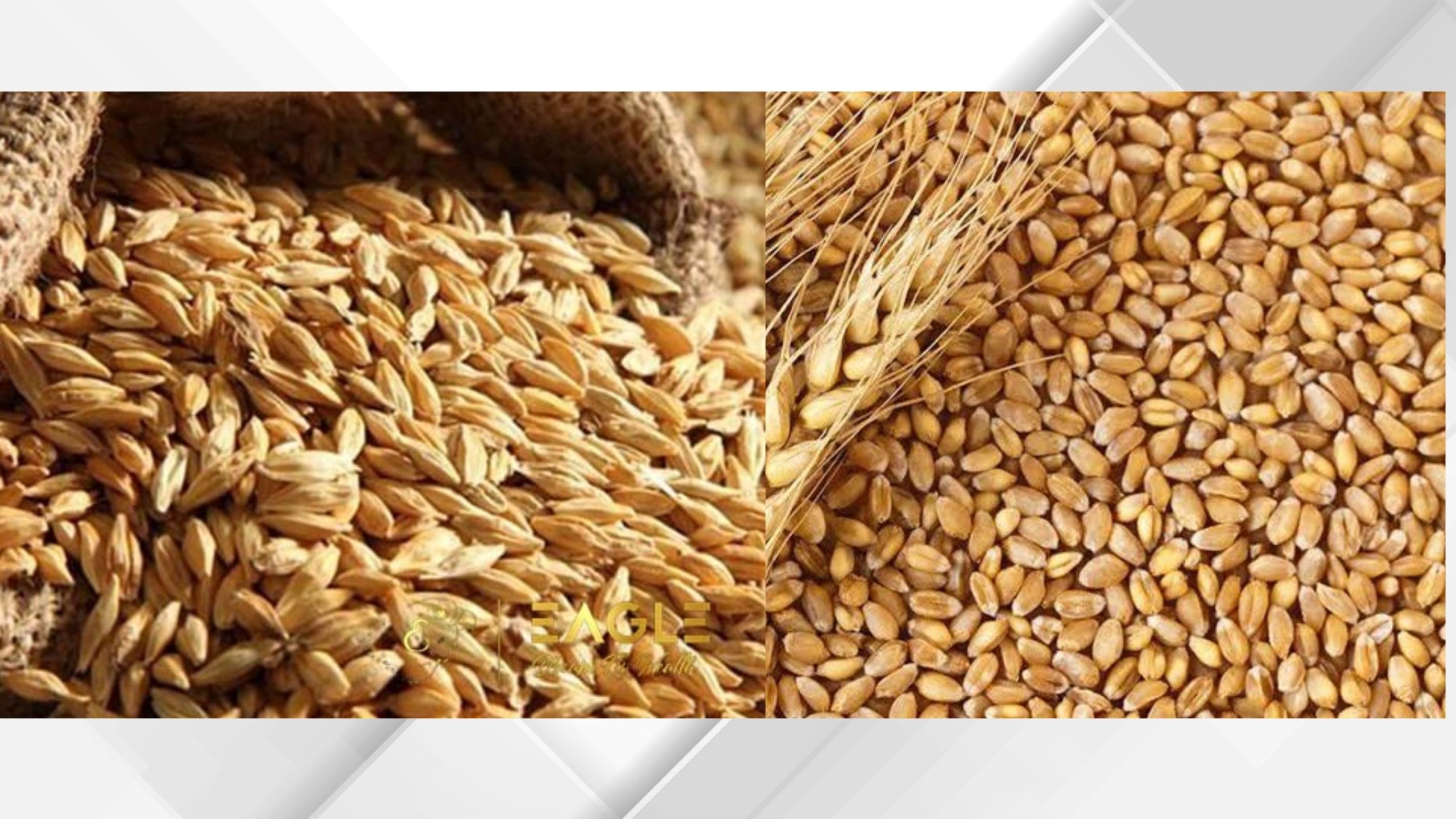
The report indicated that wheat stocks currently available in
warehouses stand at around 610,000 tonnes, sufficient to cover local
consumption for 6.4 months, based on an average monthly consumption
of 95,000 tonnes.
The ministry added that contracted wheat quantities and shipments
currently in transit amount to 302,000 tonnes, covering an additional
3.2 months, bringing total wheat reserve coverage to 9.6 months.
Regarding barley, the report showed that available stocks amount to
609,000 tonnes, covering around seven months of consumption. An
additional 220,000 tonnes have been contracted and are currently in
transit, covering 2.5 months, bringing total barley reserve coverage
to 9.5 months.
The report noted that stocks of other essential food commodities
remain at safe and stable levels, covering approximately two to four
months.
The ministry said maintaining strategic reserves is the result of
continued coordination with the Jordan Chamber of Commerce, the
Jordan Chamber of Industry, traders, and importers, ensuring supply
stability, diversification of sources, facilitating customs clearance
and import procedures, and monitoring global and local prices to
ensure the availability of commodities at fair prices for consumers.
The ministry reaffirmed that it will continue inspection campaigns
and monitoring of supply chains to address any changes and maintain
the sustainability of food security in the Kingdom.
//Petra//WH