ENV-KUWAIT-SUSTAINABLITYKuwait strengthens environmental sustainability through strategic initiativesBy Zahra Al-Kadhmi

HLT-KUWAIT-SURGERYKuwait advances health sector with robotic, remote surgeryBy Mohammad Al-Moseb

Saudi Arabia’s Voluntary Carbon Market Fuels the Shift to a Low-Carbon

Under UAE President’s directives, UAE launches urgent relief response for Ghana flood victims

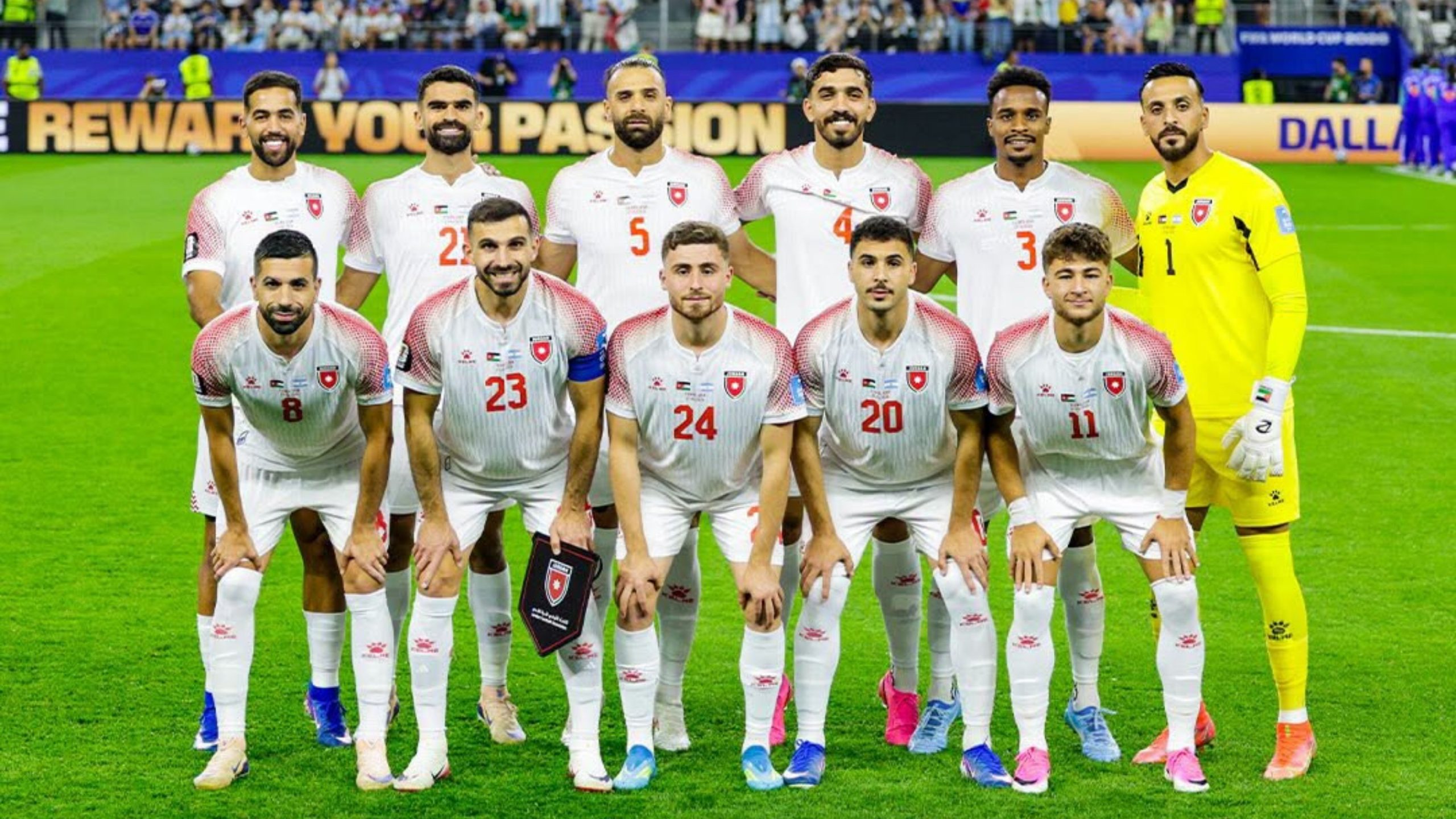
Amman, June 28 (Petra) – In the presence of His Majesty King Abdullah
II and His Royal Highness Crown Prince Al Hussein bin Abdullah II,
the Jordanian national football team concluded its historic 2026
World Cup group stage campaign on Sunday morning with a spirited
performance against reigning champions and tournament favorites
Argentina.
The final Group J fixture, which ended in a 3-1 victory for
Argentina, was also attended by Her Royal Highness Princess Rajwa Al
Hussein, His Royal Highness Prince Hashem bin Abdullah II, Her Royal
Highness Princess Salma bent Abdullah II, and His Royal Highness
Prince Ali bin Al Hussein, President of the Jordan Football
Association and the West Asian Football Federation, along with
several members of the royal family.
Despite the final scoreline, the Nashama delivered a remarkable
performance that peaked during a dominant second-half display. Winger
Musa Al-Taamari, who entered the match at the start of the second
period, capitalized on a precise cross from right-back Ihsan Haddad
to score a brilliant goal in the 55th minute.
The clinical strike marked a major milestone for Jordanian football,
standing out as the only goal conceded by the Argentine defense
throughout the entire group stage phase.
The match in the United States was buoyed by a massive turnout of
Jordanian expatriates who filled the stands, sustaining an electric,
celebratory atmosphere that showcased Jordan’s vibrant spirit on the
world’s most prestigious sporting stage.
Simultaneously, a massive wave of national pride swept across the
Kingdom as tens of thousands of fans gathered at designated public
viewing zones to witness the conclusion of this historic tournament
run.
Crowds packed iconic landmarks coordinated by the Ministry of Youth
and the Ministry of Tourism, including the Roman Amphitheater, the
Amman Citadel, and the Palace of Sports at the Al Hussein Youth City
in the capital.
Major viewing arenas in the governorates, such as the ancient city of
Jerash, the Great Arab Revolt Square in Aqaba, and local youth
centers nationwide, were similarly filled with supporters celebrating
the national team’s historic journey.
//Petra// AA