ENV-KUWAIT-SUSTAINABLITYKuwait strengthens environmental sustainability through strategic initiativesBy Zahra Al-Kadhmi

HLT-KUWAIT-SURGERYKuwait advances health sector with robotic, remote surgeryBy Mohammad Al-Moseb

Saudi Arabia’s Voluntary Carbon Market Fuels the Shift to a Low-Carbon

Under UAE President’s directives, UAE launches urgent relief response for Ghana flood victims

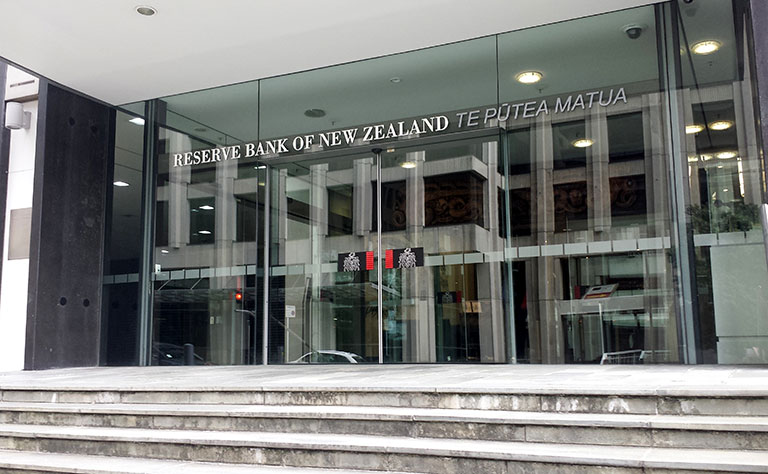
Wellington, September 02 (QNA) – The Reserve Bank of New Zealand (RBNZ) raised its Official Cash Rate (OCR) by 25 basis points to 2.75% on Wednesday, its second consecutive rate increase, as the central bank seeks to bring inflation back to its 2% target while supporting economic growth and employment.
The decision, reached by consensus by the Monetary Policy Committee, was widely in line with market expectations. The RBNZ said the gradual removal of monetary stimulus remains appropriate to return inflation sustainably to the 2% target midpoint while avoiding unnecessary instability in output, employment, interest rates and the exchange rate.
Annual consumer price inflation rose to 4.1% in the June 2026 quarter, largely driven by higher fuel and related prices resulting from the conflict in the Middle East. However, most measures of core inflation, expected wage growth and longer-term inflation expectations remain consistent with inflation returning to the RBNZ’s 1%-3% target band by mid-2027 and the 2% midpoint later in the year.
The central bank said New Zealand’s economic recovery has most likely resumed after lackluster growth in the second quarter, although the recovery remains uneven across sectors and regions. Resilient demand from trading partners and strong export prices are supporting income growth and investment in export-exposed sectors.
The RBNZ expects the recovery to strengthen and broaden, with export activity remaining resilient, household spending gradually increasing and labor-market conditions improving as the recovery gathers pace.
The Monetary Policy Committee said future decisions would depend on its assessment of risks to medium-term inflation, noting that the OCR may need to increase further depending on the economic outlook. It also said it remains vigilant to the risk that inflation could prove more persistent than expected. (QNA)