Jordan’s Q2 2026 GDP Expands 3.0%, Outperforming Regional Headwinds, International Forecasts
ENV-KUWAIT-SUSTAINABLITYKuwait strengthens environmental sustainability through strategic initiativesBy Zahra Al-Kadhmi

HLT-KUWAIT-SURGERYKuwait advances health sector with robotic, remote surgeryBy Mohammad Al-Moseb

Saudi Arabia’s Voluntary Carbon Market Fuels the Shift to a Low-Carbon

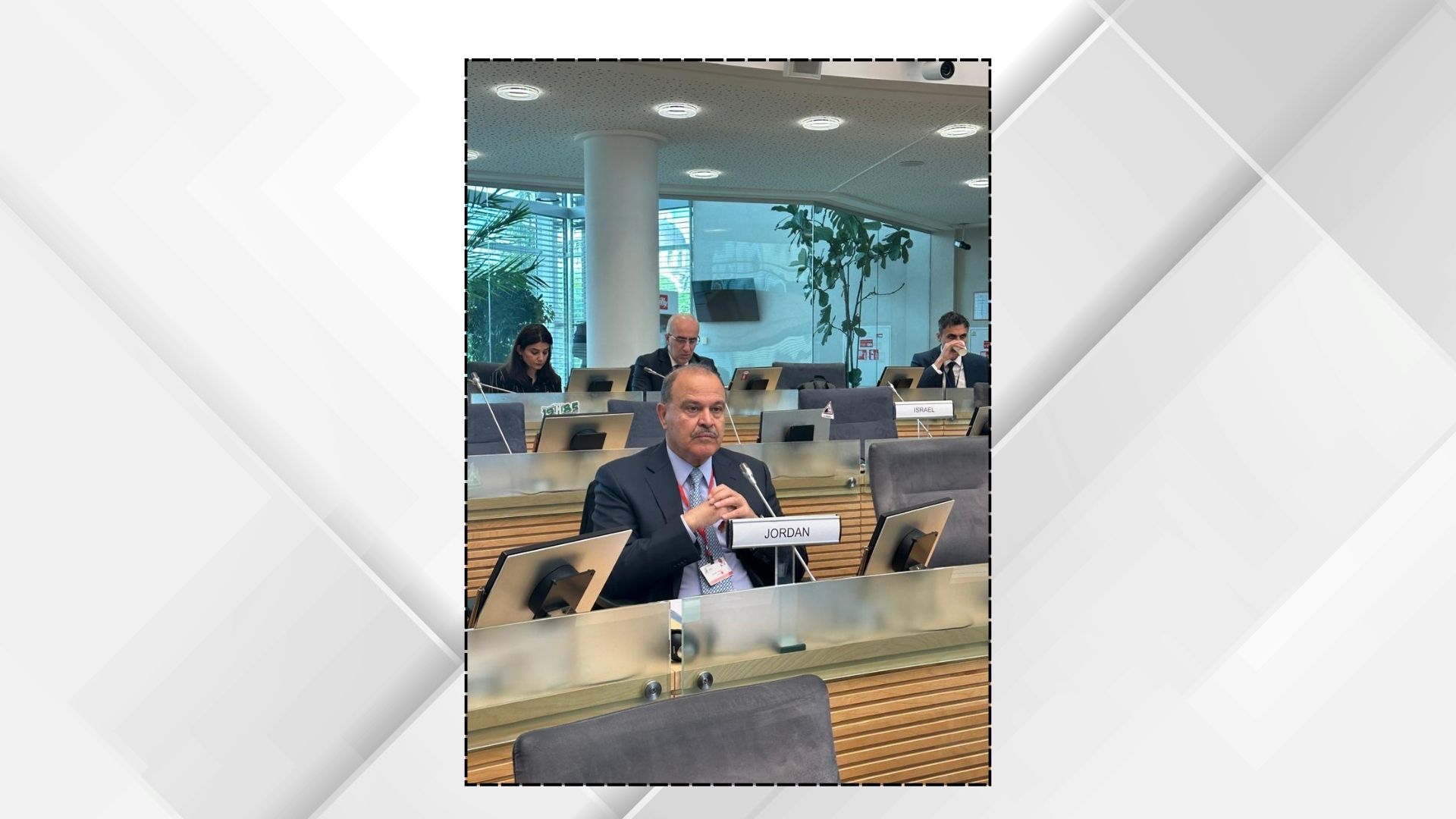
Amman, May 30 (Petra) – Senator Hussein Hazza’ Al-Majali participated
in the Spring Session of the NATO Parliamentary Assembly,
representing the Kingdom at the high-level defense and security
forum.
Jordan’s participation in the current session, running from May 30 to
June 1, comes within its strategic framework as a member of NATO’s
Mediterranean Dialogue partnership, alongside the alliance’s 32
member states.
The current session, hosted in the Lithuanian capital of Vilnius,
features a series of specialized committee tracks, including the
Defense and Security Committee, the Economics and Security Committee,
the Science and Technology Committee, and the Political Committee,
according to a Senate statement released today, Saturday.
Addressing the Defense and Security Committee, Senator Al-Majali
highlighted that the Arctic region is undergoing rapid
transformations driven by climate change and geopolitical shifts,
emphasizing the urgent need to strengthen international cooperation
and diplomatic dialogue to preserve collective global security and
stability.
He noted that emerging challenges in the global North should not be
met solely with increased defense posturing, but rather through
enhanced mutual trust, strategic information-sharing, and joint
scientific and environmental collaboration among relevant
international actors.
Al-Majali pointed out that climate change, which is opening new
maritime corridors and accelerating economic activity in northern
waters, imposes a collective global responsibility to ensure these
structural shifts remain a conduit for sustainable development and
cooperation, rather than a catalyst for friction and geopolitical
competition.
The Senator emphasized that true security cannot be achieved through
military force alone. Instead, it must be anchored in building robust
partnerships, respecting international law, fostering diplomatic
dialogue, and institutionalizing multilateral efforts to mitigate
transboundary threats like environmental degradation and marine
ecosystem protection.
“The future of the Arctic and the global North must be built on the
principles of peace, stability, and international cooperation,
safeguarding global security for future generations and serving the
collective interest of all nations,” Al-Majali stated.
He concluded by noting that parliaments and legislative bodies bear a
fundamental responsibility in supporting inter-state dialogue and
championing legislative policies that build trust, reiterating that
sustainable peace remains the most effective mechanism for achieving
shared prosperity and security.
//Petra// AA