Saudi Arabia’s Voluntary Carbon Market Fuels the Shift to a Low-Carbon

Under UAE President’s directives, UAE launches urgent relief response for Ghana flood victims

Combating Desertification and Drought: Qatar a Model in Preserving Natural Resources, Establishing Environmental Stability
UAE allocates US$30 million for emergency humanitarian response in El Obeid, calls for civilian protection, safe humanitarian aid access in Sudan

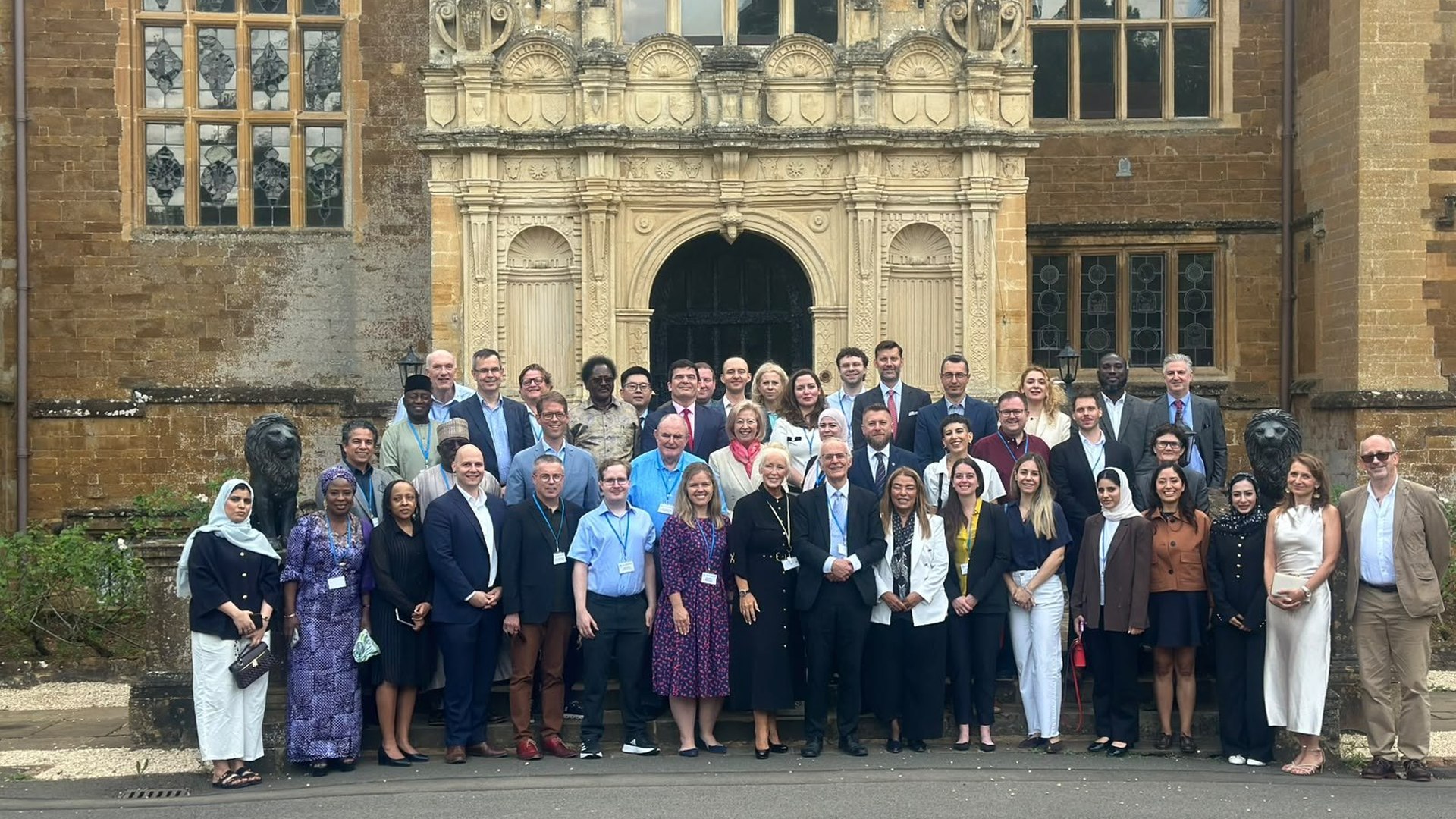
Amman, July 27 (Petra) – The Senate participated in the Seventeenth
Workshop of Parliamentary Scholars and Parliamentarians, hosted by
Wroxton College in Oxfordshire, United Kingdom, over two consecutive
days.
According to a Senate statement issued Monday, the senators joined
parliamentarians, academics, researchers, and experts from around the
world to examine key issues and challenges related to developing
parliamentary work and improving the effectiveness of legislative
institutions amid rapid political and technological change.
Through plenary and parallel sessions, the workshop addressed several
specialized topics, including the challenges and applications of
artificial intelligence in parliamentary work, post-legislative
scrutiny, parliamentary oversight and legislative review, and the
advancement of women’s representation and political participation.
Discussions also covered the digital transformation of parliaments,
relations among governments, parliaments, and local administrations,
international parliamentary cooperation, and the role of parliaments
in national security. Participants also examined violence against
parliamentarians and its impact on democratic practices and
parliamentary performance.
The Senate’s Culture and Youth Committee Chair Senator Haifa Najjar
said women’s empowerment should be rooted in equal citizenship and
viewed as an integral part of democratic reform and effective
parliamentary participation, rather than being confined to
stereotypes or leadership training programs.
She stressed the need for a comprehensive approach linking women’s
participation to the broader social, cultural, and value systems,
establishing their presence in decision-making positions on the basis
of merit and citizenship.
Such an approach, she said, would strengthen parliaments’ ability to
represent all segments of society and formulate more inclusive and
equitable legislation. Jordan’s experience, she added, has
demonstrated the importance of gradual reform in expanding women’s
political and parliamentary participation through a national process
based on citizenship and the rule of law.
Najjar said Jordan’s experience is founded on diversity, pluralism,
and dialogue as essential elements of state-building and
parliamentary development, emphasizing that differences in viewpoints
can enrich public policy rather than cause division.
She called for national experiences to be presented confidently and
without apologizing for cultural identity, while building on shared
human values of humility, attentive listening, and cooperation.
This approach, she said, would foster constructive dialogue and peace
and reflect the role of parliaments in building consensus and serving
the public interest through partnership and equality.
In two interventions, Amawi addressed the growing role of parliaments
in governing and regulating artificial intelligence and the
challenges they face amid rapid global technological developments.
She said parliaments should not be limited to legitimizing regulatory
frameworks drafted outside their jurisdictions but should actively
contribute to shaping national and international legislation and
policies governing the use of artificial intelligence.
The Senate’s Public Services Committee Rapporteur Senator Abla
Amawisaid these efforts should address the digital divide, capacity
building, infrastructure, data governance, financing, and regulatory
gaps to ensure the responsible and equitable use of artificial
intelligence.
She also highlighted the role of parliamentary and international
organizations, particularly the Inter-Parliamentary Union (IPU) and
the Organization for Security and Co-operation in Europe, in helping
parliaments address global challenges.
These efforts include promoting international standards grounded in
human rights and international law, supporting United Nations
agencies, including the United Nations Relief and Works Agency for
Palestine Refugees in the Near East (UNRWA), and emphasizing
adherence to conventions on genocide prevention and prohibited
weapons.
Amawi also called for stronger international parliamentary consensus
on these issues to help consolidate international peace and security.
The workshop featured in-depth discussions and exchanges of
comparative experiences, focusing on improving legislative and
oversight tools and strengthening parliaments’ ability to keep pace
with digital transformation.
Participants also explored the use of artificial intelligence to
support decision-making, improve legislative quality, and promote
transparency and accountability, contributing to stronger democratic
practices and more effective parliamentary institutions.
The workshop concluded with a keynote lecture titled “Strengthening
Parliaments: Societal and Parliamentary Challenges,” which examined
ways to enhance parliamentary capacities in addressing societal and
institutional challenges.
The lecture also highlighted the importance of strengthening
relations between parliaments and citizens to build greater trust in
democratic institutions.
The Wroxton Workshop is a prominent international forum specializing
in parliamentary studies. It is organized by the University of Hull’s
Centre for Legislative Studies, with support from the IPU, and is
held every two years over two days.
The workshop brings together parliamentarians, academics,
researchers, and parliamentary officials from around the world to
exchange expertise and examine the latest studies and comparative
experiences in parliamentary, legislative, and oversight development.
//Petra// AO