
Jordan’s Q2 2026 GDP Expands 3.0%, Outperforming Regional Headwinds, International Forecasts
ENV-KUWAIT-SUSTAINABLITYKuwait strengthens environmental sustainability through strategic initiativesBy Zahra Al-Kadhmi

HLT-KUWAIT-SURGERYKuwait advances health sector with robotic, remote surgeryBy Mohammad Al-Moseb

Saudi Arabia’s Voluntary Carbon Market Fuels the Shift to a Low-Carbon

Session Reviews Current and Future Transformations in Energy
Markets
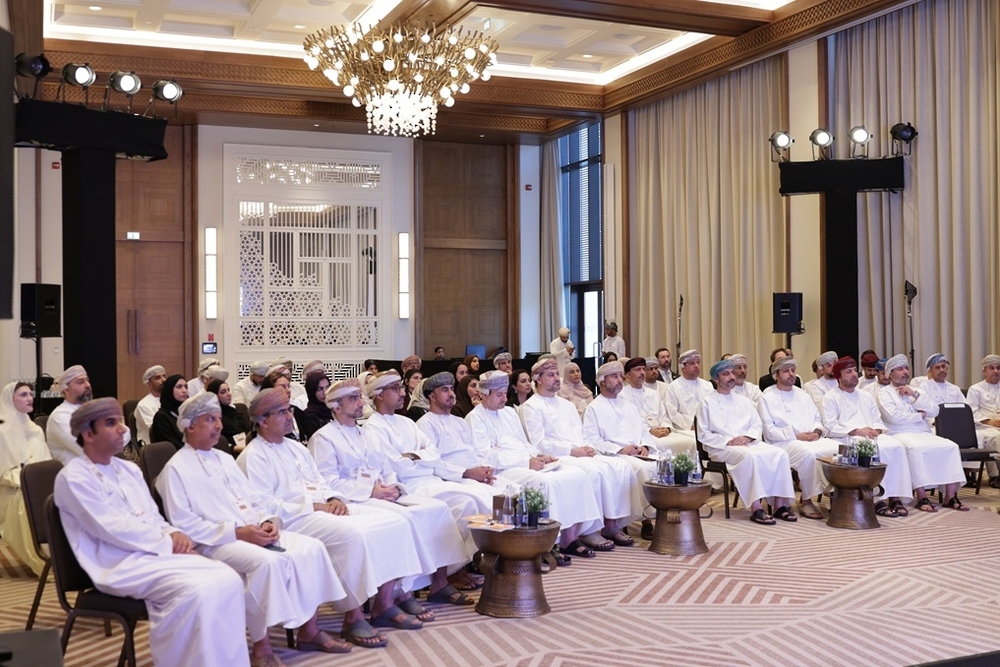
Muscat, 28 Oct 2026 (ONA) — The Ministry of Economy,
represented by the National Foresight Office, today organized the second
session of the “Future Dialogues” programme under the title
“Navigating Transformations in the Global Energy Landscape.” The
session reviewed current and future transformations in energy markets, the
impact of economic, geopolitical and technological developments on supply and
demand trends and supply chains, and discussed considerations related to these
transformations.
The session aims to deepen understanding of global
transformations and their implications for the national economy, enhance the
use of foresight tools in studying strategic options and early preparedness for
change, and provide a space that brings together leaders, officials and
specialists from government entities and the private sector for dialogue with
international experts, linking future knowledge to planning priorities,
policymaking and investment decisions.
The session reviewed three pathways addressing different
dimensions of energy security. The first focuses on economic growth and
productivity gains amid the expanding impact of artificial intelligence
technologies. The second examines the rising priority of resource security,
borders and national interests in a more fragmented world. The third explores
the requirements for achieving long-term environmental security and reaching
net-zero emissions by 2050. These conceptual pathways were presented as tools
for exploring multiple possibilities, testing options and preparing for their
outcomes.
On energy security, the session addressed four pillars: access
to energy, supply reliability, resilience and recovery from shocks, and
adaptation to future changes. This included discussion of the importance of
resource diversification, the availability of capacities and infrastructure,
the flexibility of response to supply and demand changes, the ability to
restore essential services, and the creation of the economic and investment
conditions needed to develop energy systems.
The presentations also addressed potential pathways for demand
for oil, natural gas and electricity, and the varying pace of transition across
sectors and regions. Topics included the future use of oil in aviation and
petrochemical industries, the role of natural gas in industry and power
generation, the prospects for liquefied natural gas, the evolution of electric
vehicle use, and the investment needs these changes impose on production, grids
and storage.
The “Future Dialogues” programme builds cumulative
knowledge of trends and transformations affecting the future of development by
hosting experts and specialists and exchanging insights, methodologies and
international experiences. It aims to strengthen future thinking among leaders
and institutions, develop the capacity to test hypotheses and explore
alternatives, and support the use of dialogue outcomes in studying national
issues and proactive policies.
— Ends/AH