Jordan’s Q2 2026 GDP Expands 3.0%, Outperforming Regional Headwinds, International Forecasts
ENV-KUWAIT-SUSTAINABLITYKuwait strengthens environmental sustainability through strategic initiativesBy Zahra Al-Kadhmi

HLT-KUWAIT-SURGERYKuwait advances health sector with robotic, remote surgeryBy Mohammad Al-Moseb

Saudi Arabia’s Voluntary Carbon Market Fuels the Shift to a Low-Carbon

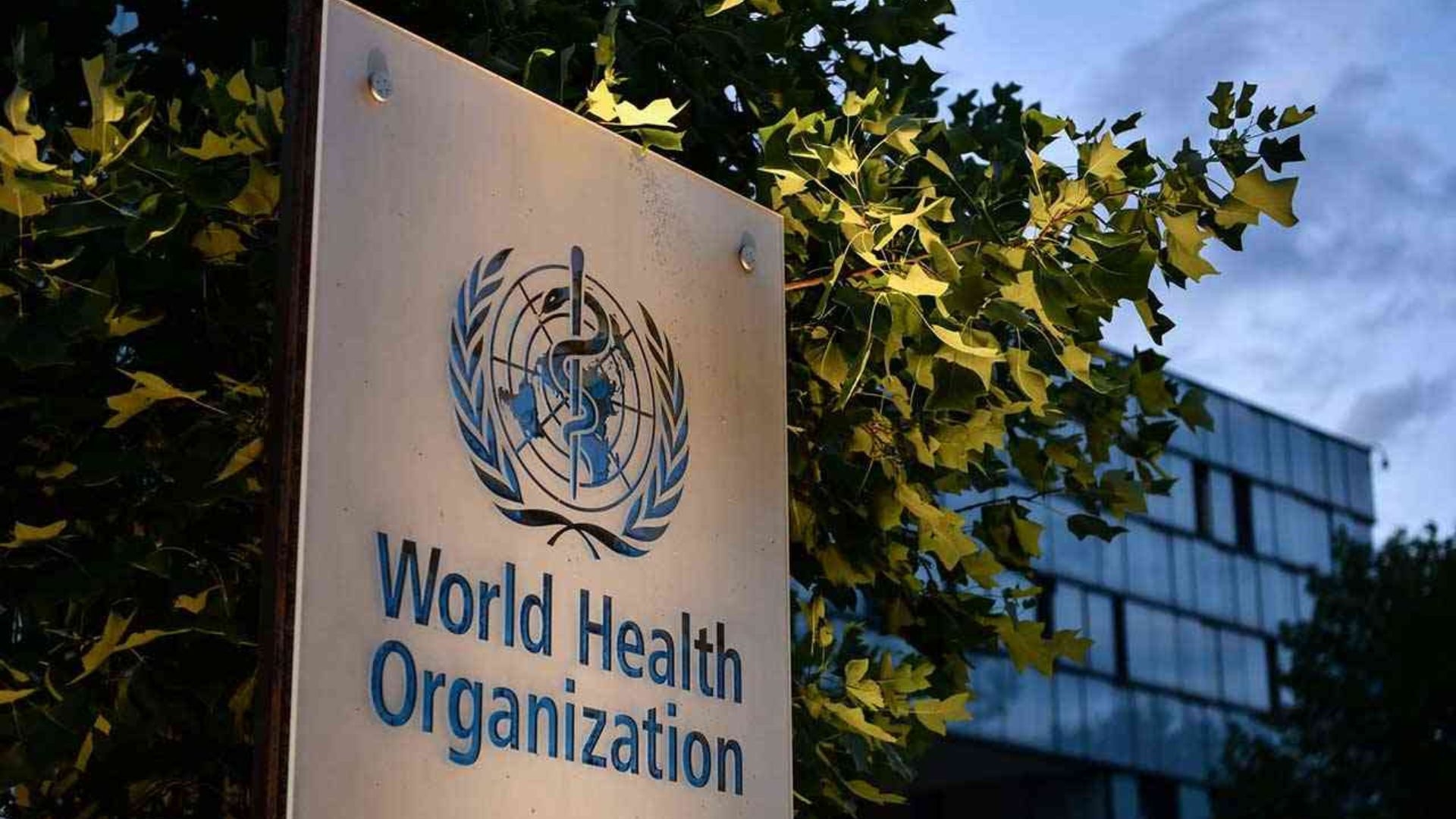
Amman, May 20 (Petra) — The World Health Organization warned that
insufficient and unstable financing remains one of the main obstacles
preventing meaningful progress in confronting antimicrobial
resistance across the Eastern Mediterranean region.
WHO Regional Director for the Eastern Mediterranean Hanan Hassan
Balkhy said achieving the 2030 targets would remain out of reach
without clear domestic budgets dedicated to priority activities
within national action plans and linking those plans to financing,
accreditation and the day-to-day performance of health systems.
In a statement issued on the sidelines of the 79th session of the
World Health Assembly, Balkhy called for urgent and coordinated
action to address growing gaps in implementation, noting that the
Eastern Mediterranean region records some of the world’s highest per
capita antibiotic consumption rates. She added that nearly one in
every three bacterial infections in the region is resistant to
antibiotics.
The organization said that while most countries in the region have
already developed national action plans to combat antimicrobial
resistance, implementation remains slow and fragmented. WHO stressed
the need to move toward detailed costing and budgeting of these
plans, alongside establishing clear monitoring and evaluation systems
to track progress and improve accountability.
The statement also highlighted weak enforcement of regulations
governing antimicrobial sales, despite the existence of legislation
in many countries. WHO emphasized the need to strengthen antibiotic
stewardship programs, improve oversight of prescriptions,
particularly in primary healthcare facilities where most antibiotics
are prescribed, and expand the use of digital monitoring tools,
education and professional training.
WHO further called for adopting a fully integrated “One Health”
approach that links human, animal, food and environmental health
systems within a unified framework for data sharing and policymaking.
However, the organization noted that implementation of the approach
remains fragmented, with environmental surveillance identified as the
weakest component and workforce capacity continuing to lag behind
growing needs.
Balkhy warned that ongoing conflicts, fragile health systems and
climate change are accelerating antimicrobial resistance across the
region, underscoring the need for sustained political, financial and
administrative commitment at the highest levels. She stressed that
accountability should not remain limited to ministries of health
alone but must be reflected in broader national priorities and public
budgets.
The organization also called for greater investment in diagnostics,
preventive tools, regulatory systems and local pharmaceutical
production and procurement mechanisms to ensure countries can
independently access and responsibly manage antimicrobial medicines.
WHO concluded that antibiotics must be treated as strategic assets
requiring long-term protection rather than ordinary commercial
commodities if countries are to preserve their effectiveness for
future generations.
//Petra//