Jordan’s Q2 2026 GDP Expands 3.0%, Outperforming Regional Headwinds, International Forecasts
ENV-KUWAIT-SUSTAINABLITYKuwait strengthens environmental sustainability through strategic initiativesBy Zahra Al-Kadhmi

HLT-KUWAIT-SURGERYKuwait advances health sector with robotic, remote surgeryBy Mohammad Al-Moseb

Saudi Arabia’s Voluntary Carbon Market Fuels the Shift to a Low-Carbon

Amman, June 9 (Petra) — Correctional and rehabilitation centers in
Jordan are adopting cognitive behavioral therapy (CBT) programs as
part of efforts to enhance rehabilitation services, address the
underlying causes of criminal behavior, and support inmates’
successful reintegration into society.
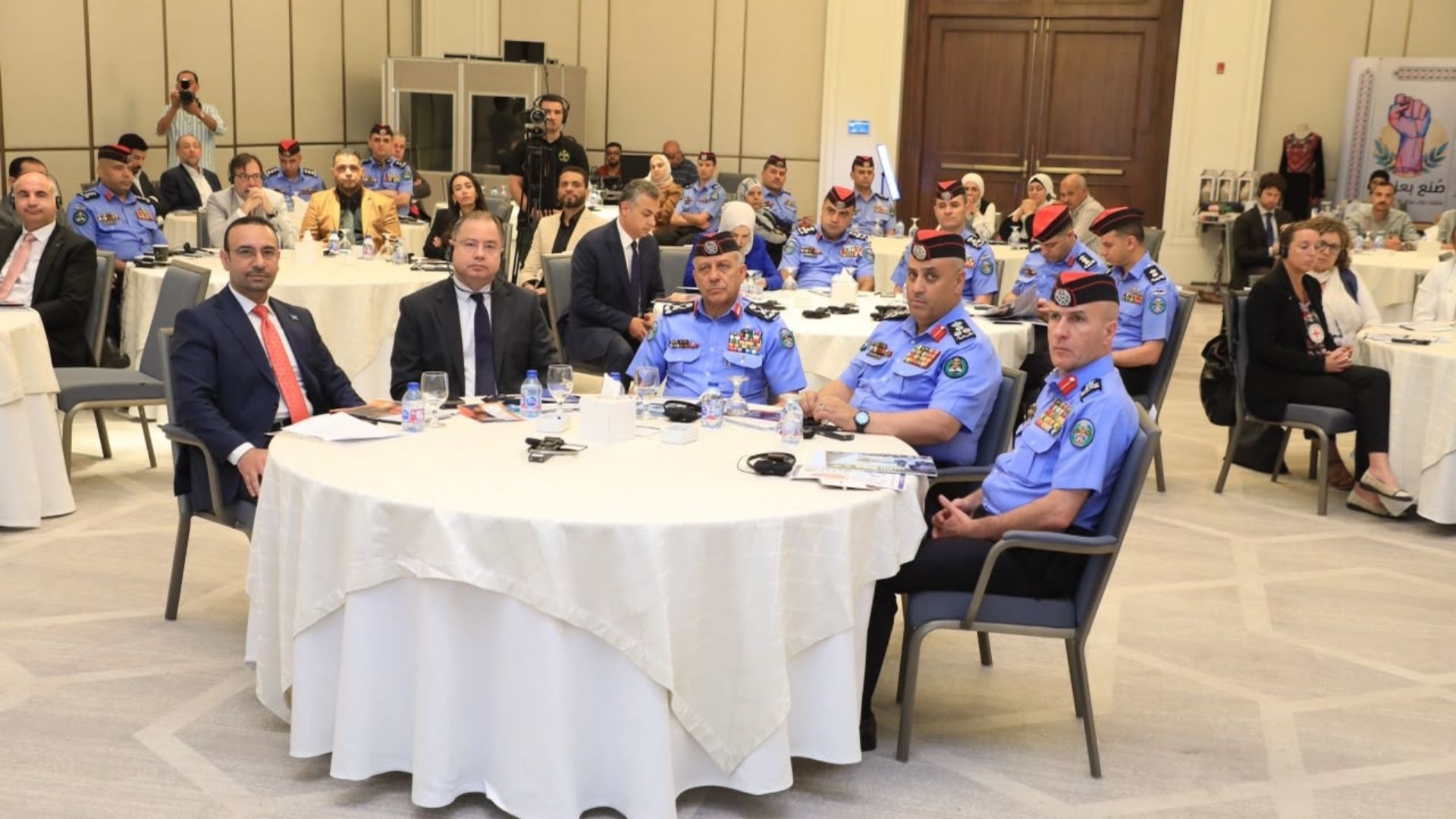
The initiative was launched on Tuesday by Public Security Director
Maj. Gen. Obaidallah Maayta during a ceremony attended by Cyprus
Ambassador to Jordan Sevag Avedissian, Director of the United Nations
Office on Drugs and Crime in Jordan Amjad A’Darbeh, representatives
of the Ministries of Health and Justice, the National Center for
Human Rights, the International Committee of the Red Cross delegation
in Jordan, senior Public Security Directorate officers, and
representatives of local and international partner organizations.
Maayta said the project marks a significant step in the Public
Security Directorate’s efforts to further develop the correctional
and rehabilitation system and strengthen restorative justice
principles.
He noted that modern security concepts extend beyond law enforcement
to addressing the root causes of crime, rehabilitating offenders, and
enabling their positive reintegration into society.
Maayta said the project seeks to improve the psychological and social
services provided to inmates in line with international standards and
best practices, noting that cognitive behavioral therapy programs are
among the most effective methods for changing patterns of thinking
and behavior associated with delinquency. He added that the
initiative will also strengthen the capacities of personnel working
in correctional and rehabilitation centers.
The Public Security Director commended the support provided by the
Embassy of Cyprus, the United Nations Office on Drugs and Crime, and
national partners in advancing rehabilitation and reform programs.
For his part, Avedissian said the project represents a model of
international cooperation in support of rehabilitation and reform
efforts. He praised the progress achieved by the Public Security
Directorate in inmate care and rehabilitation programs and reaffirmed
Cyprus’ commitment to supporting initiatives that promote
rehabilitation and social reintegration.
Meanwhile, A’Darbeh said the project aims to strengthen
rehabilitation services and reduce drug-related recidivism through
the establishment of cognitive behavioral therapy programs at the
Muwaqqar and Juweideh correctional and rehabilitation centers.
He added that the initiative will also enhance the capabilities of
national personnel working in correctional and rehabilitation centers
and the health sector.
The ceremony featured a presentation on the achievements of the first
phase of support programs, as well as an overview of the new
project’s objectives, which focus on integrating cognitive behavioral
therapy into a sustainable institutional rehabilitation framework.
//Petra// AJ