Jordan’s Q2 2026 GDP Expands 3.0%, Outperforming Regional Headwinds, International Forecasts
ENV-KUWAIT-SUSTAINABLITYKuwait strengthens environmental sustainability through strategic initiativesBy Zahra Al-Kadhmi

HLT-KUWAIT-SURGERYKuwait advances health sector with robotic, remote surgeryBy Mohammad Al-Moseb

Saudi Arabia’s Voluntary Carbon Market Fuels the Shift to a Low-Carbon
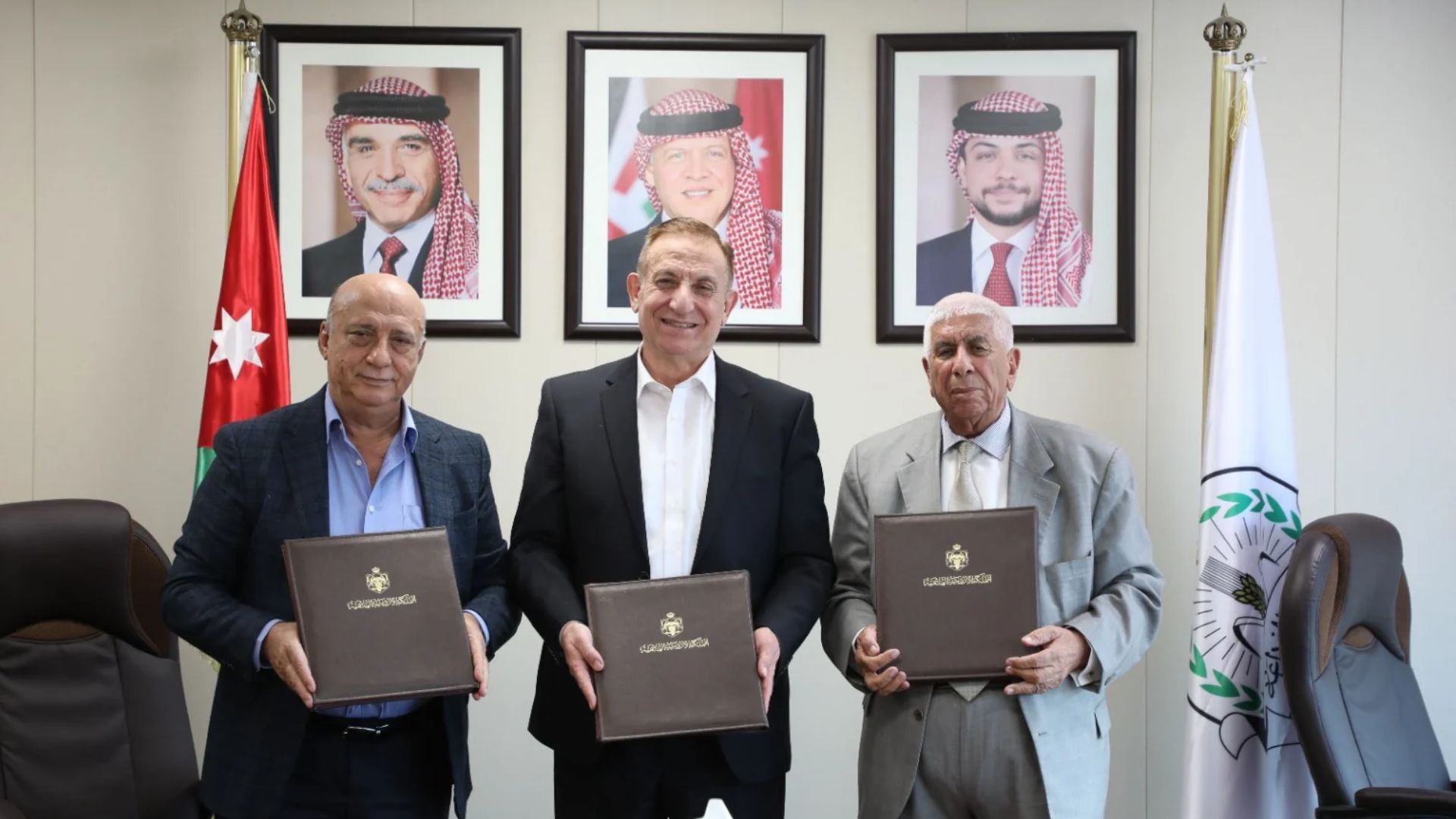
Amman, October 28 (Petra) – The Ministry of Agriculture has signed a
tripartite cooperation agreement with Jordan Farmers Union (JFU) and
Olive Oil Producer and Mill Owner Syndicate.
The agreement launches the 14th national campaign to market Jordanian
olive oil for the 2026/2027 agricultural season, aimed to support
olive farmers, promote the national product, and facilitate its
access to consumers.
Talking at the signing ceremony, Minister of Agriculture Dr. Saeb
Khreisat stated the campaign is part of national efforts to support
the agricultural sector and provide the product to citizens and
employees of participating institutions at “lucrative” prices and
through convenient purchasing mechanisms.
He underlined the ministry’s commitment to continuing and developing
the campaign annually, given its “vital” role in supporting olive
farmers, marketing their produce, and strengthening consumer
confidence in the national product.
He added that the campaign enables ministries, official institutions,
and public sector entities to provide Jordanian olive oil to their
employees and their families with favorable terms, including options
for cash payment or installment plans spanning eight months.
He added that oil is available in various container sizes, 16 kg and
8 kg, to accommodate the diverse needs of beneficiaries and ensure
easy access to the product.
Furthermore, he underscored the importance of ensuring the quality of
the olive oil and protecting consumers.
During the campaign, sample collection will be administered to
conduct chemical and sensory testing, in cooperation with the
relevant authorities, to verify oil compliance with approved
standards and specifications, to prevent oil adulteration, and to
bolster public confidence in the product offered through this
campaign, he pointed out.
He noted that the campaign’s success relies on the integrated efforts
of the Ministry, the JFU, and the syndicate in Jordan.
This collaboration, he stated, helps support farmers, improves
marketing opportunities for their produce, and enhances the
sustainability of the sector.
In turn, representatives from the JFU and the syndicate called for
collaborating with the Ministry of Agriculture to implement the
campaign.
They highlighted the ministry’s role in supporting olive farmers,
facilitating their produce marketing and strengthening the presence
of Jordanian olive oil in the local market, which all yield
“positive” outcomes for both the agricultural and economic sectors.
//Petra// AG