Saudi Arabia’s Voluntary Carbon Market Fuels the Shift to a Low-Carbon

Under UAE President’s directives, UAE launches urgent relief response for Ghana flood victims

Combating Desertification and Drought: Qatar a Model in Preserving Natural Resources, Establishing Environmental Stability
UAE allocates US$30 million for emergency humanitarian response in El Obeid, calls for civilian protection, safe humanitarian aid access in Sudan

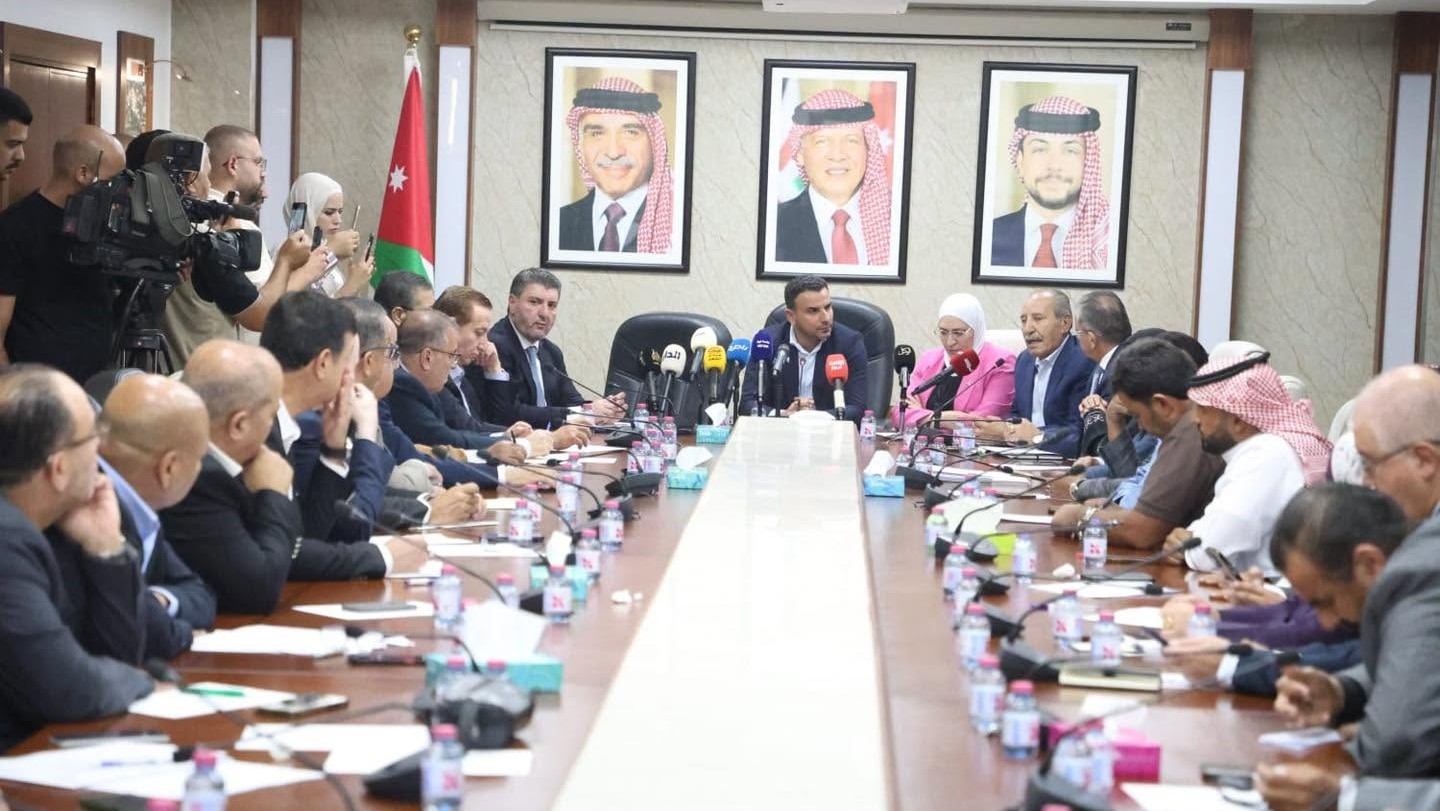
Amman, Sept. 7 (Petra) – The Lower House’s Agriculture and Water
Committee examined on Monday the primary issues facing the
agricultural sector, including Social Security Investment Fund (SSIF)
projects, central market fees, Jordan Valley banana farming
challenges, and the role of agricultural research.
Committee Chair Ahmad Shdefat stressed the need to protect local
farmers, align institutional investments with royal directives on
food security, and ensure that SSIF agricultural projects complement,
rather than compete with, local producers.
He also called for reducing marketing costs and lowering fees at the
Amman Central Market to ease farmers’ operational burdens.
Minister of Transport and Labor Nidal Qatamin outlined joint
initiatives with the Vocational Training Corporation to train and
employ local labor across four governorates, noting ongoing plans to
provide transportation for workers in the Jordan Valley.
Minister of Agriculture Saeb Khraisat pointed to growth in the
Kingdom’s agricultural exports despite regional challenges, saying
the ministry’s focusing on high-value, export-oriented crops in line
with the Economic Modernization Vision.
Addressing market overhead, Greater Amman Municipality Committee Head
Ahmad Malkawi announced a fee reduction at the central export yard,
easing the previous JD10 per ton charge on incoming produce.
Meanwhile, SSIF officials reassured lawmakers that social security
investments prioritize high-yield crops to strengthen food security
without undercutting domestic farmers.
The meeting concluded with lawmakers and agricultural stakeholders
agreeing to maintain coordination to lower production costs,
safeguard local produce, and enhance regional competitiveness.
//Petra// HA