ENV-KUWAIT-SUSTAINABLITYKuwait strengthens environmental sustainability through strategic initiativesBy Zahra Al-Kadhmi

HLT-KUWAIT-SURGERYKuwait advances health sector with robotic, remote surgeryBy Mohammad Al-Moseb

Saudi Arabia’s Voluntary Carbon Market Fuels the Shift to a Low-Carbon

Under UAE President’s directives, UAE launches urgent relief response for Ghana flood victims

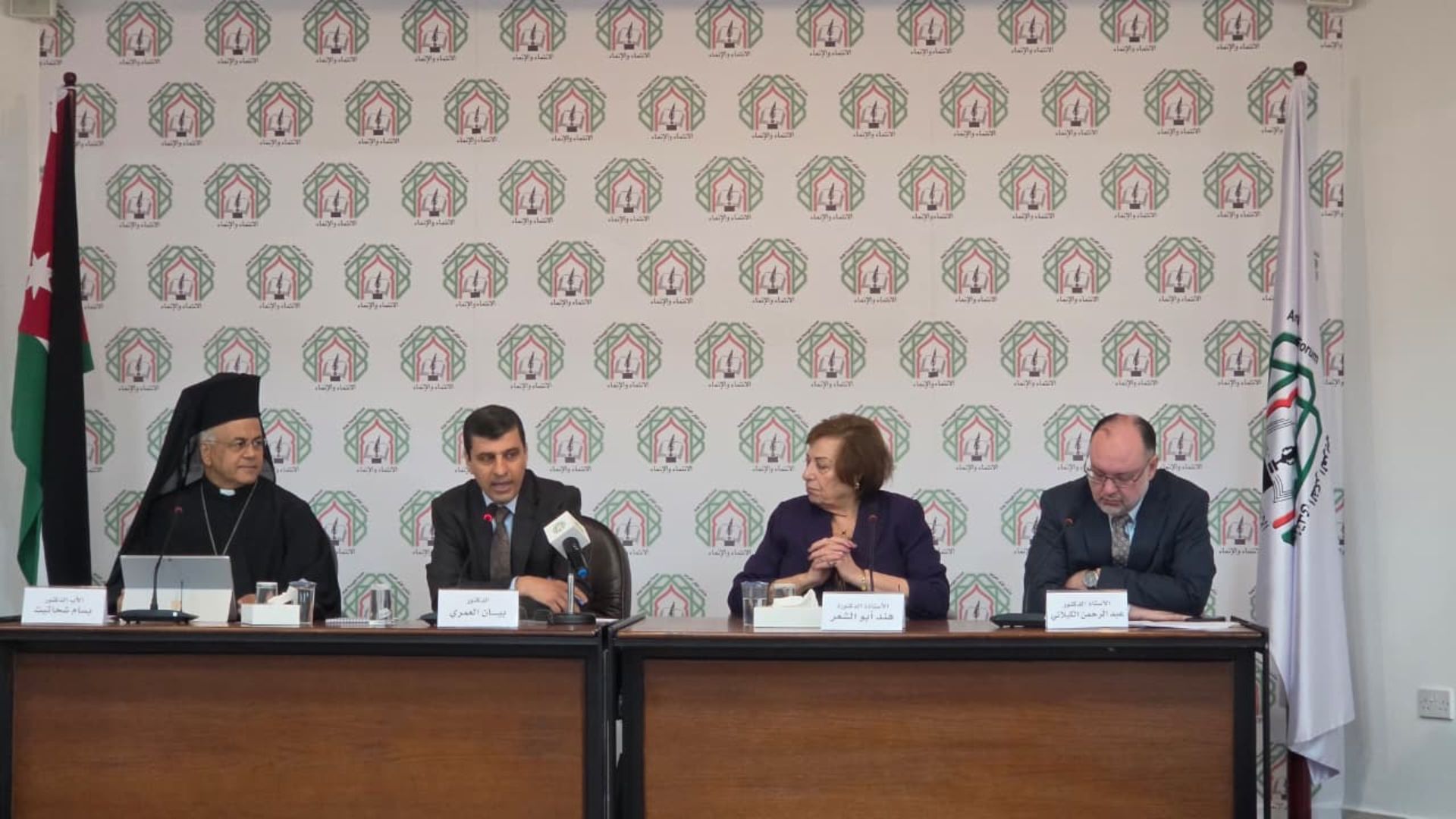
Amman, July 30 (Petra) – The Arab Thought Forum (ATF) hosted a
symposium on Wednesday in Amman, bringing together scholars and
historians to address ongoing challenges to Jerusalem’s Arab-Islamic
identity.
Amani Jarrar, ATF’s Acting Secretary-General, opened the event by
warning that Jerusalem faces systematic policies aimed at altering
its historical identity. She emphasized that these measures target
not only physical landmarks, but also the city’s Palestinian
residents, stressing the urgency of supporting local resilience
against Judaization efforts.
Historical scholar Hind Abu Shaar said a comprehensive understanding
of Jerusalem’s history requires drawing on diverse historical sources
that reflect the city’s unique civilizational heritage. She
highlighted examples from the late Ottoman period based on municipal
records, Sharia court archives and the local press, which documented
Jerusalem’s social, cultural and political life.
Abdulrahman Kilani, dean of the Sharia Faculty at the University of
Jordan, underscored the “vital role” of the Hashemite Custodianship
over Islamic and Christian holy sites, noting its religious,
historical, and international legal foundations.
Bassam Shahatit, Melkite Greek Catholic Church priest, described
Jerusalem as a symbol of interfaith harmony, pointing out that the
Muslim and Christian presence has long served as a model for cultural
coexistence.
Addressing human rights and demographic pressures, Ziad Abu Laban,
Director-General of the Jerusalem Studies Center, explained how
targeted policies strain Jerusalem’s healthcare, education, housing,
and labor sectors. Despite these socioeconomic pressures, he noted,
Palestinian families and local institutions “continue to demonstrate
remarkable community strength.”
Abdullah Kanaan, Royal Committee for Jerusalem Affairs’
Secretary-General, reminded attendees that international law still
recognizes Jerusalem as occupied Palestinian territory, rendering all
unilateral Israeli annexation and settlement policies null and void.
The symposium concluded with an interactive discussion involving
diplomats and academics, alongside an art exhibition organized with
the Department of the National Library showcasing historical
paintings of Jerusalem across different eras.
//Petra// HA