Jordan’s Q2 2026 GDP Expands 3.0%, Outperforming Regional Headwinds, International Forecasts

ENV-KUWAIT-SUSTAINABLITYKuwait strengthens environmental sustainability through strategic initiativesBy Zahra Al-Kadhmi

HLT-KUWAIT-SURGERYKuwait advances health sector with robotic, remote surgeryBy Mohammad Al-Moseb

Saudi Arabia’s Voluntary Carbon Market Fuels the Shift to a Low-Carbon

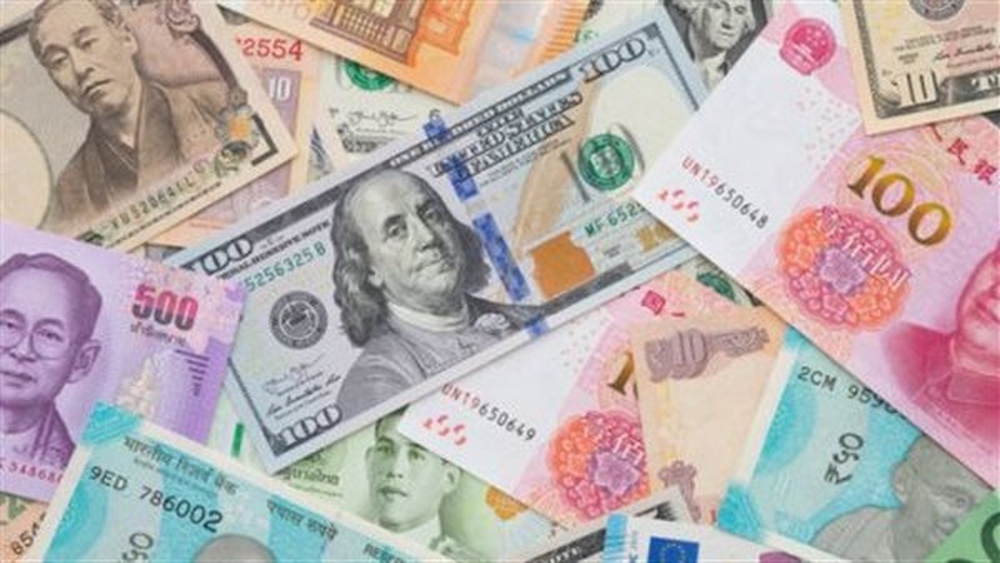
Asian Currencies Slide as US
Rate-Hike Signals Mount
Washington, 15 Oct 2026 (ONA) — Most
emerging-market currencies in Asia retreated today after US inflation data
reinforced bets that the Federal Reserve will raise interest rates, fueling
investor concerns over higher borrowing costs and pressuring
artificial-intelligence-linked equities globally.
The South Korean won fell more than
1% to a two-week low of 1,352.84 per dollar, while the Taiwan dollar weakened
sharply to 32.325, its weakest level since early August, amid a heavy selloff
in chipmaker stocks in both countries.
South Korea’s Kospi index dropped
more than 8%, triggering a trading halt for the first time in two and a half
months; shares of Samsung Electronics and SK Hynix, the world’s largest memory
chipmakers, plunged about 10% and 12% respectively, marking their worst daily performance
since late July.
In Taiwan, stocks fell 3.8% to their
lowest in about a month, with TSMC shares down nearly 3% to their weakest since
late September.
In Southeast Asia, the Philippine
peso sank to a record low of 63.09 per dollar, weighed down by rising oil
prices, El Niño-related risks to food prices, elevated inflation, sluggish
growth, and a deteriorating current-account position.
Goldman Sachs analysts expect the
peso to remain weak, reiterating their forecast that the Philippine central
bank will raise interest rates twice more by 25 basis points each, with the
first increase likely next week.
The analysts noted that a widening
current-account deficit and declining portfolio and foreign direct investment
flows are making the currency more vulnerable to pressure, adding that they
expect the central bank to exercise caution in continuing to draw on reserves
to support the peso.
Data released late Wednesday showed
US consumer prices rose last month at a faster pace than expected, reinforcing
the likelihood that the Federal Reserve will raise interest rates again,
possibly this month.
US rate increases typically bolster
the dollar and weigh on emerging-market currencies, heightening the prospect of
capital outflows from equity and bond markets and raising the cost of
dollar-denominated borrowing.
The dollar index, which measures the
US currency against a basket of major currencies, hit a new 18-month high after
the inflation data before surrendering most of its gains following cautious
remarks from Federal Reserve officials.
In Indonesia, the rupiah weakened to
17,955 per dollar, while stocks fell more than 2%; Singaporean equities
declined about 1% to a three-month low, with shares of DBS Group and OCBC each
down about 1%.
By contrast, the Indian rupee edged
higher at the open to 94.885 per dollar; traders relayed expectations that the
Reserve Bank of India will continue selling dollars through state-owned banks
to support the local currency.
— Ends/Khalid