ENV-KUWAIT-SUSTAINABLITYKuwait strengthens environmental sustainability through strategic initiativesBy Zahra Al-Kadhmi

HLT-KUWAIT-SURGERYKuwait advances health sector with robotic, remote surgeryBy Mohammad Al-Moseb

Saudi Arabia’s Voluntary Carbon Market Fuels the Shift to a Low-Carbon

Under UAE President’s directives, UAE launches urgent relief response for Ghana flood victims

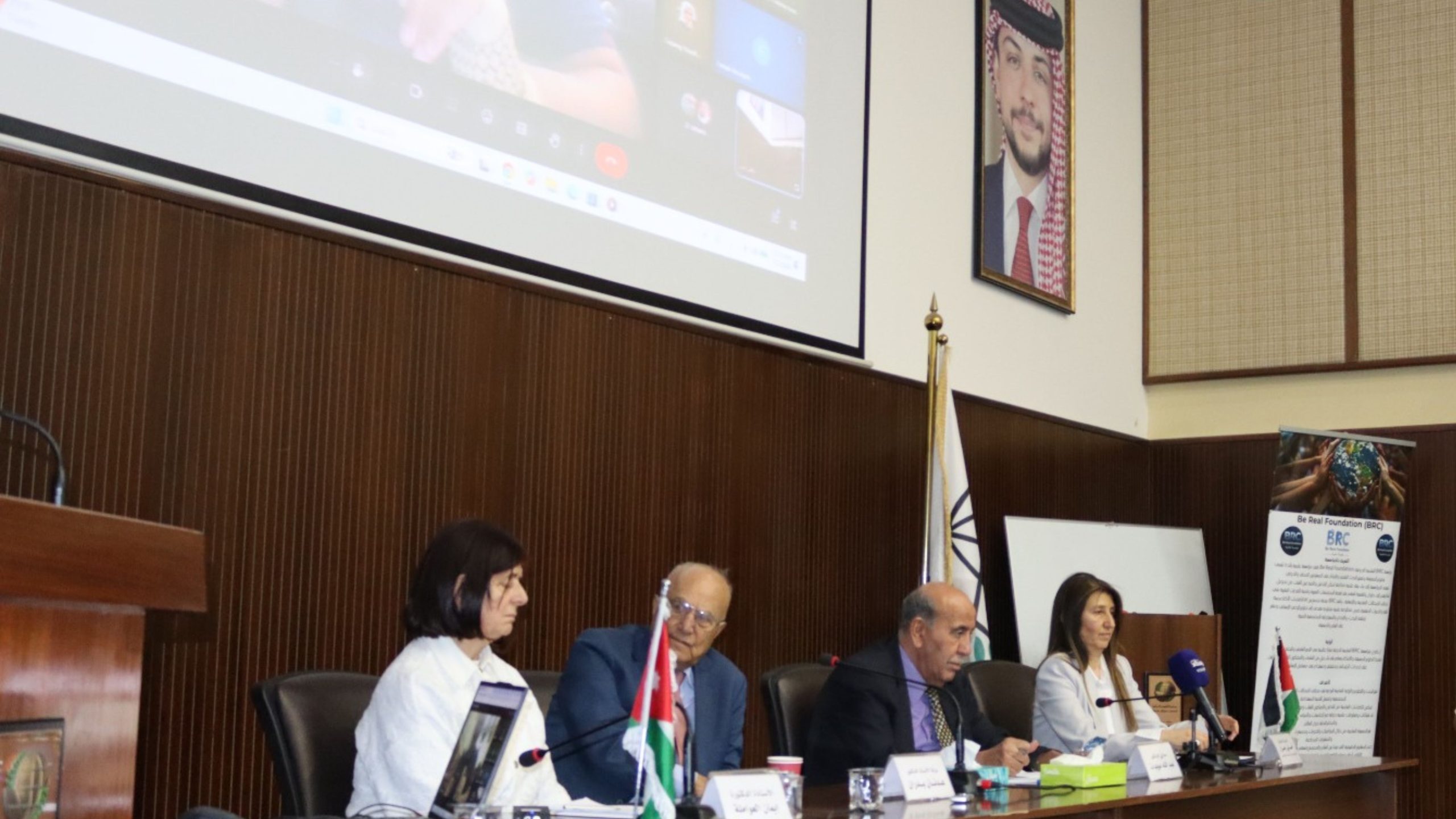
Amman, July 2 (Petra) — The Be Real Foundation (BRC), Jordan’s World
Affairs Council, and the Arab Society for Public Awareness from
Dangerous Drugs and Narcotics on Thursday organized an international
conference in Amman titled “The Isolation of Stigmatized Selves and
the Stigma of Drug Crimes in Arab Consciousness: Toward a Scientific
and Humanitarian Approach to Combating the Drug Scourge.”
The conference was held under the patronage of former Prime Minister
and President of the World Affairs Council Adnan Badran and brought
together representatives of a wide range of Jordanian and Arab civil
society organizations, as well as the Anti-Narcotics Department.
In his opening remarks, Badran said combating the threat posed by
drugs is not solely the responsibility of security agencies but also
requires the active participation of civil society institutions and
individuals, including non-governmental organizations, schools,
universities, places of worship and media organizations.
He said these institutions are essential partners in raising
awareness of the dangers of drug abuse, promoting positive values
among young people, and fostering a social culture that rejects drug
use to curb its spread.
Badran added that investment in education is one of the most
important strategic investments for building societal resilience
against drugs, as it helps raise students’ awareness of the health,
psychological, social and economic risks associated with drug abuse
while strengthening character, responsibility, discipline and
self-confidence.
Abdullah Oweidat, president of the Arab Society for Public Awareness
from Dangerous Drugs and Narcotics and a former minister of social
development, said there is a close link between drug abuse and a
range of social issues.
He said the spread of drugs contributes to the breakdown of family
ties, rising domestic violence, divorce, school dropout rates,
unemployment and poverty. Drug abuse also negatively affects
individuals’ social relationships and weakens their ability to assume
responsibility and integrate into society, thereby increasing social
problems and undermining social cohesion.
Oweidat said social factors such as poverty, unemployment, weak
parental supervision and negative peer influence increase the
likelihood of drug abuse, making the relationship between drugs and
social issues both reciprocal and deeply interconnected.
He said addressing the problem requires tackling its underlying
social causes alongside enforcing the law through strengthening
families and expanding access to education and employment
opportunities.
Mithaq Bayat Al-Daifi, president of BRC and chairman of the
conference, said that while legal punishment ends when a prison
sentence is completed, social challenges often persist long
afterward.
He said many former offenders and recovering drug users continue to
face social stigma, making it difficult to secure employment, rebuild
family relationships and reintegrate into society.
Al-Daifi stressed the importance of raising public awareness about
giving individuals a genuine opportunity for a fresh start, saying
such efforts would help reduce recidivism, strengthen community
security and preserve human dignity.
He said the conference serves as a scientific platform for dialogue,
the exchange of expertise, and the formulation of practical
recommendations to help develop evidence-based policies and programs
that foster a more supportive social environment capable of
accommodating recovering individuals and reintegrating them as
productive members of society.
Acting Secretary-General of the Arab Thought Forum Amani Jarrar said
drugs are no longer merely a security or public health issue but have
become a civilizational challenge that threatens systems of values,
undermines human capital and weakens prospects for development and
stability.
She said drug abuse threatens not only the body but also a person’s
consciousness and relationship with themselves and society by eroding
the ability to distinguish between freedom and submission,
dismantling the system of values that gives life meaning and
ultimately isolating individuals from their families, communities and
sense of purpose.
Jarrar said the conference highlights an issue that extends beyond
the criminal dimension: the “isolation of the stigmatized self.”
She said social stigma becomes an additional burden that deepens
human suffering and limits opportunities for recovery and
reintegration. A civilizational approach to addressing drug abuse,
she added, should balance justice with compassion and enforcement
with rehabilitation, based on the belief that rebuilding individuals
requires restoring their self-confidence, opening pathways for
dignified reintegration into society and fostering a culture that
offers hope while confronting wrongdoing.
Iman Al-Hussein Al-Awamleh, chairwoman of the board of the Jordanian
Women’s Solidarity Institute, said the conference focuses on the
human dimension of drug addiction by addressing the stigma associated
with addiction, whose effects extend beyond individuals to families
and society and often become an obstacle to recovery and social
reintegration.
She stressed the need to develop a public discourse based on
knowledge and respect for human dignity.
Al-Awamleh said the Women’s Solidarity Institute believes that
empowering families, strengthening the role of women, protecting
young people and promoting awareness are fundamental pillars of
community prevention, adding that investing in people remains the
most sustainable way to build safe and resilient societies.
Speaking via video link, Asif Melhem, director of the GSM Research
and Studies Center in Moscow, presented findings from studies on
drugs, addiction and substance abuse.
He said research points to high drug-related mortality rates in
Russia and elevated numbers of hospital admissions linked to
illnesses associated with drug abuse, warning that the findings
underscore the serious threat posed by the spread of narcotics to
countries worldwide.
The conference also discussed a series of research papers presented
by experts and specialists from Jordan and other Arab countries,
covering topics including recovery, addiction and stigma in Arab
thought; dismantling mechanisms of social exclusion and family
vulnerability; an integrated methodology for women and drug programs;
protecting children from drugs through preventive approaches; and the
role of the Anti-Narcotics Department in safeguarding society from
the drug threat.
//Petra// AF