Saudi Arabia’s Voluntary Carbon Market Fuels the Shift to a Low-Carbon

Under UAE President’s directives, UAE launches urgent relief response for Ghana flood victims

Combating Desertification and Drought: Qatar a Model in Preserving Natural Resources, Establishing Environmental Stability
UAE allocates US$30 million for emergency humanitarian response in El Obeid, calls for civilian protection, safe humanitarian aid access in Sudan

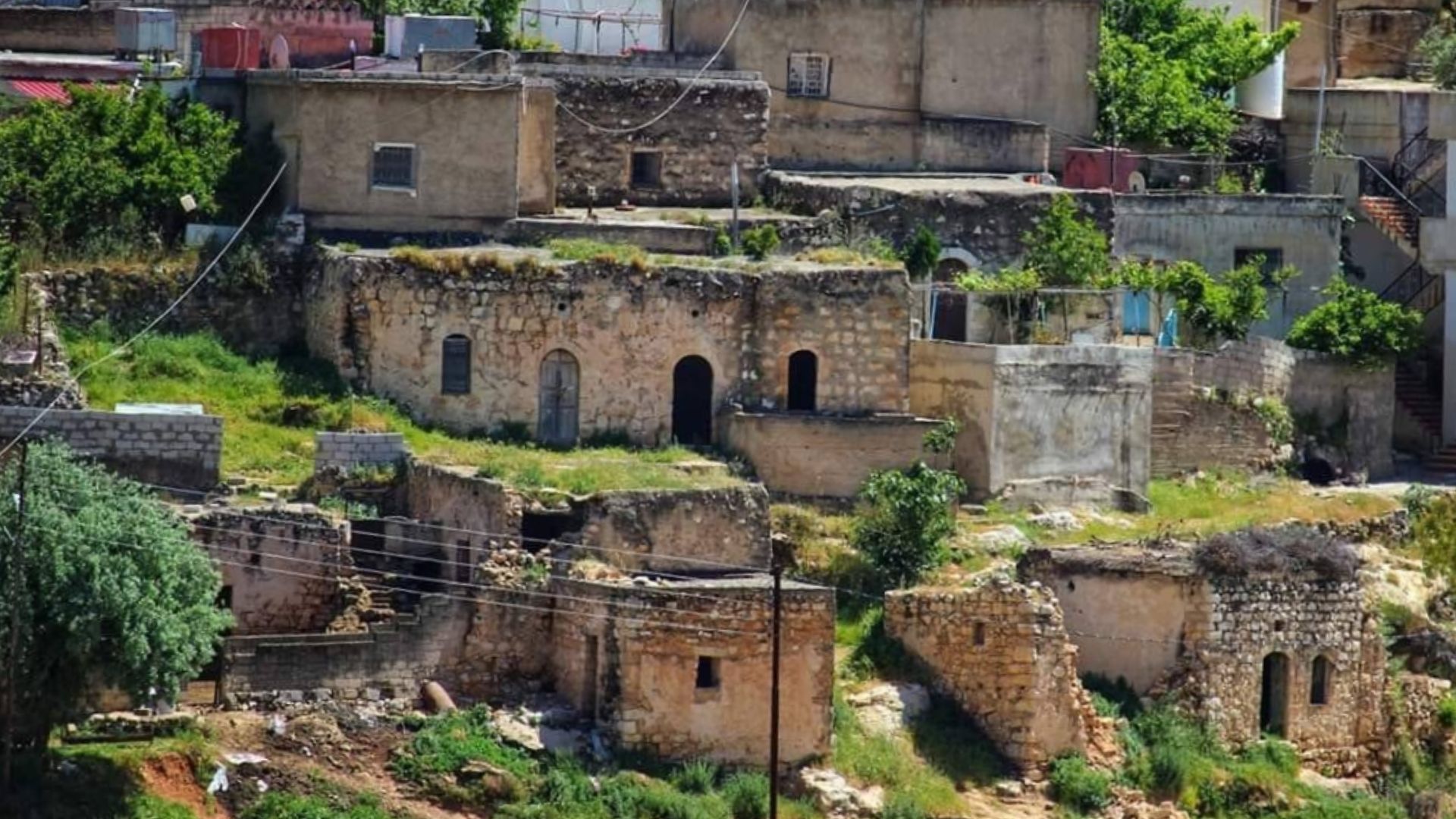
Ajloun, Sept 16 (Petra) – Old mud homes in Ajloun villages are an
enduring testament to traditional construction craftsmanship and
lifestyles of past generations with details about building materials
and social customs, conservationists said.
In interviews with Petra on Wednesday, heritage specialists and local
residents called for documenting and preserving the remaining mud
houses. They advocated for “repurposing” some of these structures for
cultural and tourism activities, thereby helping to safeguard the
“memory of place” and showcase local heritage.
Rehabilitating mud houses could add value to the region’s tourism
offerings, said Firas Khatatbeh, Ajloun Director of Tourism,
suggesting turning these into heritage guesthouses (madafas), small
museums, or lodges integrated into tourism trails.
“That would help highlight village history and enrich the visitor
experience, all while maintaining the buildings’ authentic
character,” he added.
Construction of earth houses relied on locally available materials,
such as soil and straw, which were mixed with water and left to set
before being shaped into molds by hand for use in building, said
Mahmoud Shraideh, a heritage researcher.
He said roofs were constructed using reeds and wooden beams, then
covered with insulating materials, along with the thick earth walls
that absorb heat during the day and release it slowly at night,
keeping indoor spaces cool in summer and warm in winter.
Mud houses are an integral part of Ajloun governorate’s architectural
and social memory, reflecting a significant era in the history of the
villages and the lifestyles led by residents in the past, said Saffah
Subuh, a Jordanian academic and artist and founder of “Meditation
Cave”.
Preserving these houses and documenting their stories, he stressed,
helps pass on place-related knowledge to new generations, and ensures
local heritage stays within cultural activities and programs.
Yousef Samadi, a youth activist and founder of the “Story of a Place”
initiative, said documenting mud houses goes beyond just
photographing the structures; it involves gathering oral histories
regarding their owners and construction methods.
He said his initiative is to record the accounts of village elders
and residents, capturing details about these old sites and homes and
transforming them into media content, which helps to preserve the
memory of the place before parts of it are lost to the passage of
time.
//Petra//SS