
Saudi Arabia’s Voluntary Carbon Market Fuels the Shift to a Low-Carbon

Under UAE President’s directives, UAE launches urgent relief response for Ghana flood victims

Combating Desertification and Drought: Qatar a Model in Preserving Natural Resources, Establishing Environmental Stability

UAE allocates US$30 million for emergency humanitarian response in El Obeid, calls for civilian protection, safe humanitarian aid access in Sudan

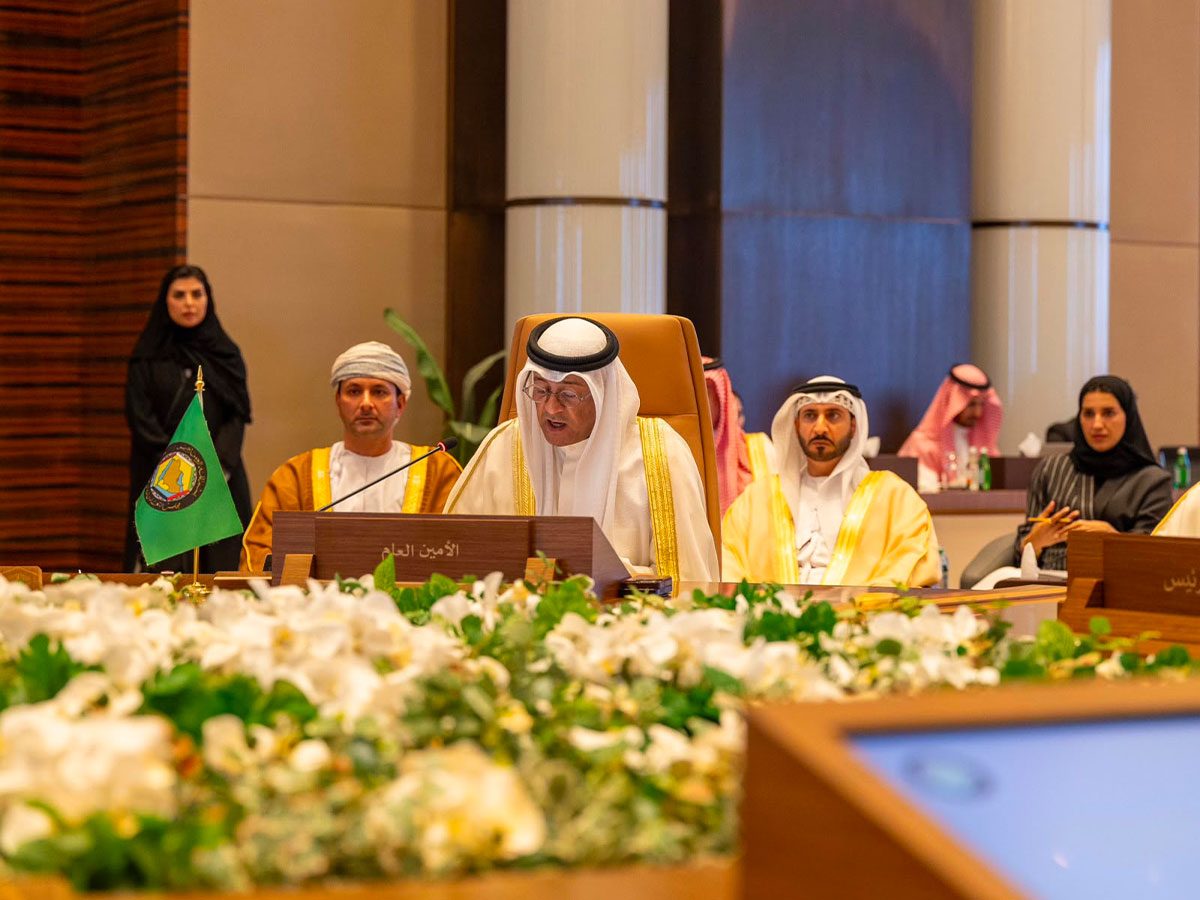
Manama, September 14 (QNA) – Secretary General of the Gulf Cooperation Council (GCC), Jasem Mohamed Albudaiwi highlighted that the banking sector across GCC states has maintained its resilience and stability amidst current conditions, backed by advanced regulatory and supervisory frameworks, strong liquidity levels, and solid capital adequacy.
“This strength has bolstered this sector’s ability to navigate global economic shifts while continuing its essential role in driving economic activity and funding development across GCC member states,” he added.
Albudaiwi’s remarks were made during the 87th Meeting of the Committee of Governors of Central Banks in the GCC States, held in Manama today.
Reviewing key indicators reflecting banking sector resilience and monetary stability in the GCC, Albudaiwi highlighted that total deposits at commercial banks operating in the GCC reached approximately USD 2.45 trillion by the end of June 2026, representing a 6 percent growth compared to the end of 2025.
“Total commercial bank assets grew by 3.9 percent over the same period, surpassing USD 4 trillion. Additionally, net foreign assets held by GCC central banks stood at approximately USD 829 billion by the end of June 2026, providing 11 months of import cover for the GCC. GCC member states also maintained stable inflation levels, with the regional inflation rate standing at approximately 2.1 percent in May 2026-well below the averages of major global economic blocs,” he indicated.
“The global economic landscape is undergoing rapid shifts driven by geopolitical and economic developments, accompanied by market volatility and challenges to trade, investment, and supply chains,” Albudaiwi said.
“Given the close integration of GCC economies with the global economy, these shifts underscore the necessity of continuously enhancing readiness to protect economic, financial, and monetary stability,” he noted. (QNA)