ENV-KUWAIT-SUSTAINABLITYKuwait strengthens environmental sustainability through strategic initiativesBy Zahra Al-Kadhmi

HLT-KUWAIT-SURGERYKuwait advances health sector with robotic, remote surgeryBy Mohammad Al-Moseb

Saudi Arabia’s Voluntary Carbon Market Fuels the Shift to a Low-Carbon

Under UAE President’s directives, UAE launches urgent relief response for Ghana flood victims

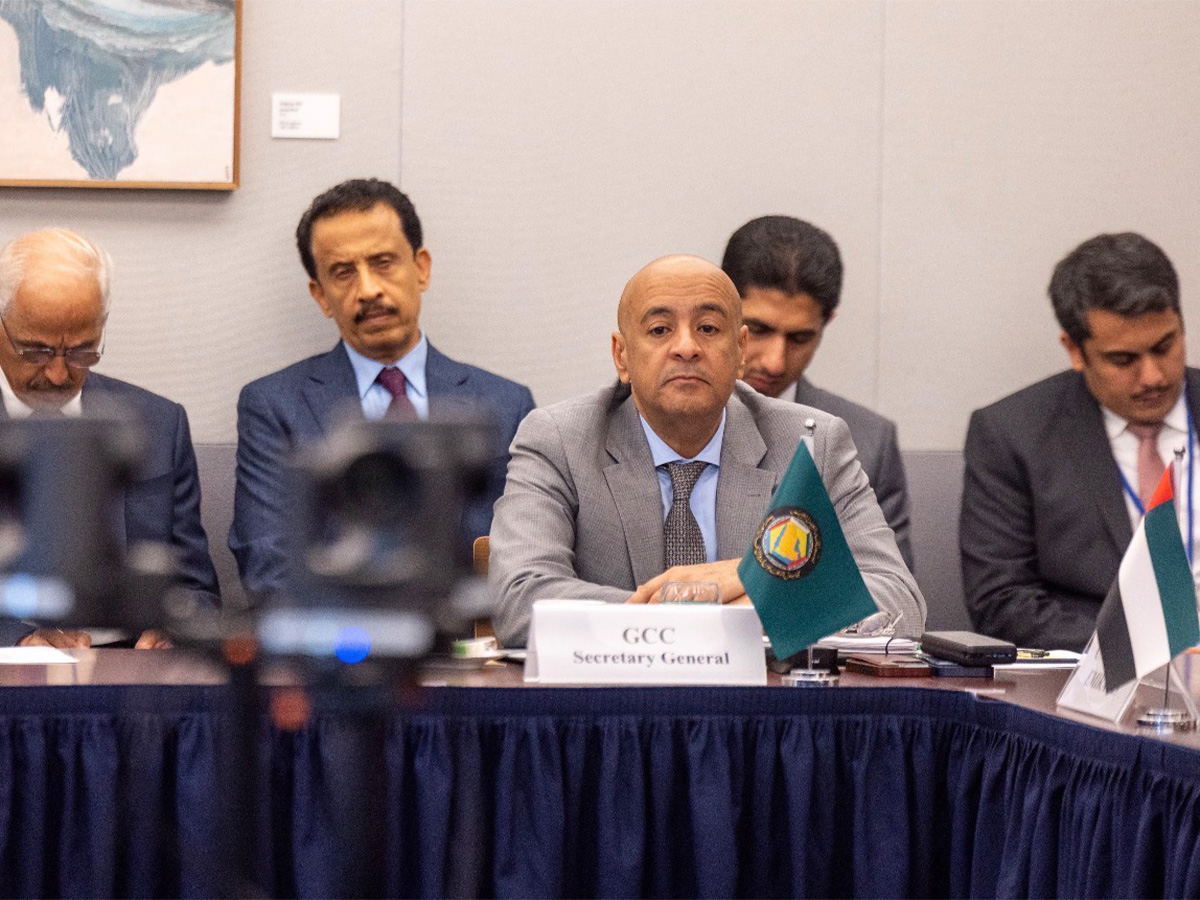
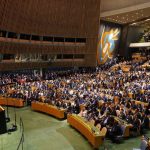
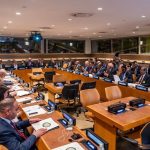
New York, September 24 (QNA) Secretary-General of the Gulf Cooperation Council (GCC), Jasem Mohamed Albudaiwi affirmed that the joint ministerial meeting held today between the GCC and the Association of Southeast Asian Nations (ASEAN), on the sidelines of the 81st session of the UN General Assembly, builds upon the momentum generated by the Gulf-ASEAN summits held in Riyadh (2023) and Kuala Lumpur (2025). These summits contributed significantly to advancing cooperation between the two sides toward broader horizons.
Albudaiwi stated that relations between GCC states and ASEAN nations are deeply rooted and historic, witnessing growing development that reflects a shared desire to strengthen partnerships and expand areas of cooperation, thereby serving the interests of their peoples and supporting stability and prosperity in both regions.
He noted that the GCC General Secretariat and the ASEAN Secretariat have held numerous meetings to discuss frameworks for joint cooperation, alongside specialized meetings covering political, security, economic, trade, and developmental sectors, as well as the coordination of positions on various regional and international issues within global forums.
Regarding regional developments, Albudaiwi noted that since February 28, 2026, GCC states have been subjected to over 7,000 ballistic missile and drone attacks by Iran and its proxies. These attacks targeted vital facilities and caused casualties and severe material damage, even though the GCC states were not parties to the conflict and had exerted intensive mediation efforts and exercised maximum restraint to contain the escalation.
The GCC Secretary-General reaffirmed the Council’s position calling for Iran’s full compliance with UN Security Council Resolution 2817, a permanent and unconditional cessation of attacks with guarantees against their recurrence, and the restoration of navigation in the Straits of Hormuz and Bab Al-Mandab to pre-Feb. 28, 2026, conditions.
He also rejected any unilateral measures imposing fees or conditions on the right of passage and insisted that Iran bear full legal responsibility and provide compensation for damages resulting from its attacks.
The GCC Secretary-General expressed confidence that strengthening cooperative relations between the GCC and ASEAN -amid current circumstances- would positively impact their joint efforts. He called on technical working groups to intensify their efforts to develop areas of cooperation that yield mutual benefits and serve shared interests, emphasizing that this meeting would help elevate Gulf-ASEAN relations to higher levels of coordination and cooperation. (QNA)