Saudi Arabia’s Voluntary Carbon Market Fuels the Shift to a Low-Carbon

Under UAE President’s directives, UAE launches urgent relief response for Ghana flood victims

Combating Desertification and Drought: Qatar a Model in Preserving Natural Resources, Establishing Environmental Stability

UAE allocates US$30 million for emergency humanitarian response in El Obeid, calls for civilian protection, safe humanitarian aid access in Sudan

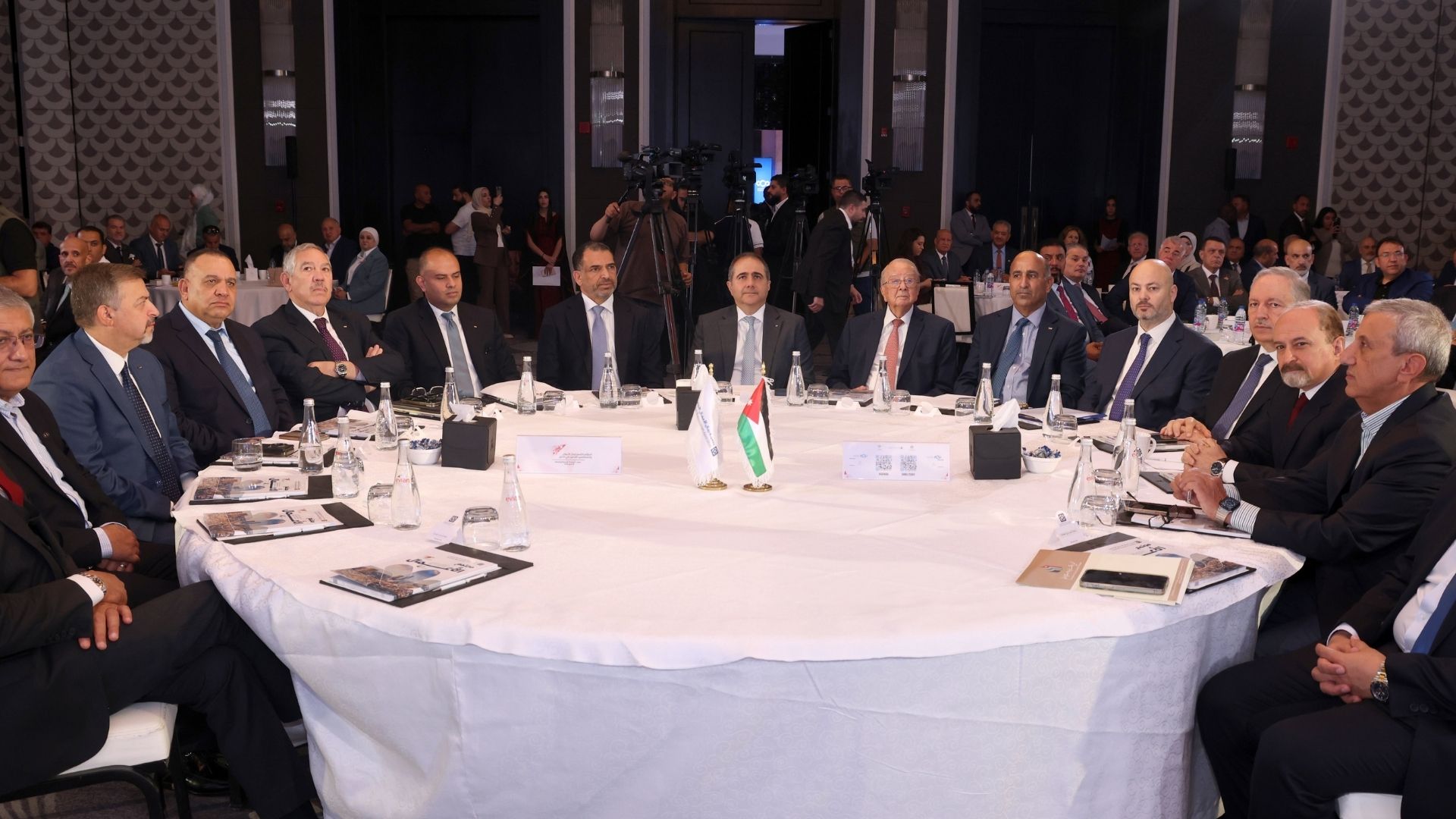
Amman, July 18 (Petra) — Major structural revisions to the national
investment framework designed to fast-track the entry of expatriate
capital led the opening proceedings of the Ninth Conference of
Jordanian Businessmen and Investors Abroad on Saturday.
Operating under the strategic theme “Investment Opportunities with a
Global Vision,” the convention focused on expanding private sector
participation, diversifying long-term commercial investments, and
mitigating regional supply chain vulnerabilities.
The primary policy focus centered on the 2026 amendments to the
investment environment bylaws. The updated regulations introduce a
key structural shift: companies registered outside Jordan can now
secure full domestic investment incentives, fast-tracked licensing,
and preferred regulatory treatment, provided that Jordanian nationals
hold at least a 50% equity stake or maintain documented operational
control. This legal modification aims to remove historical
cross-border corporate registration barriers and draw direct equity
investments from citizens residing abroad.
Delivering the opening address on behalf of the Prime Minister,
Investment Minister Tariq Abu Ghazaleh stated that the current global
economic climate demands institutional agility to turn macroeconomic
pressures into industrial opportunities. Abu Ghazaleh noted that the
executive priorities under the state’s economic roadmap focus on
boosting manufacturing productivity and digitizing public sector
procedures to lower overhead costs for incoming investors.
The regulatory changes follow a clear upward trend in cross-border
capital inflows. Jordanian Businessmen Association (JBA) President
Ayman Al-Alawneh disclosed that worker remittances to the Kingdom
rose 13% during the first four months of 2026, totaling approximately
$1.6 billion.
The JBA, which organized the assembly alongside the ministries of
Investment and Foreign Affairs, is working to establish institutional
channels to guide these capital flows away from passive real estate
holdings and into active corporate equities and public-private
partnership (PPP) infrastructure projects.
Addressing the regional trade environment, Ministry of Foreign and
Expatriate Affairs Secretary-General Dhaifallah Al-Fayez stated that
international economic diplomacy is currently opening new trade
corridors to counter elevated shipping fees, high regional financing
costs, and broader logistical challenges.
Al-Fayez outlined immediate project pipelines available for
commercial investment, including utility-scale renewable energy grid
integration, industrial mining, information technology, tourism
infrastructure, and logistics hubs. These sectors are supported by
preferential trade agreements designed to establish the country as a
regional re-export and industrial storage center.
The conference framework is organized across four specialized panel
sessions. The first session evaluated the executive performance
metrics of the Economic Modernization Vision for 2026–2029, focusing
on building macroeconomic resilience.
Subsequent panels analyzed private-sector project delivery, foreign
economic diplomacy strategies in emerging markets, and specific
financing mechanisms to localize expatriate capital through joint
ventures.
The assembly will conclude with a comprehensive policy roadmap
listing specific operational steps to improve ease-of-doing-business
indicators across key sectors.
//Petra// AA