Saudi Arabia’s Voluntary Carbon Market Fuels the Shift to a Low-Carbon

Under UAE President’s directives, UAE launches urgent relief response for Ghana flood victims

Combating Desertification and Drought: Qatar a Model in Preserving Natural Resources, Establishing Environmental Stability
UAE allocates US$30 million for emergency humanitarian response in El Obeid, calls for civilian protection, safe humanitarian aid access in Sudan

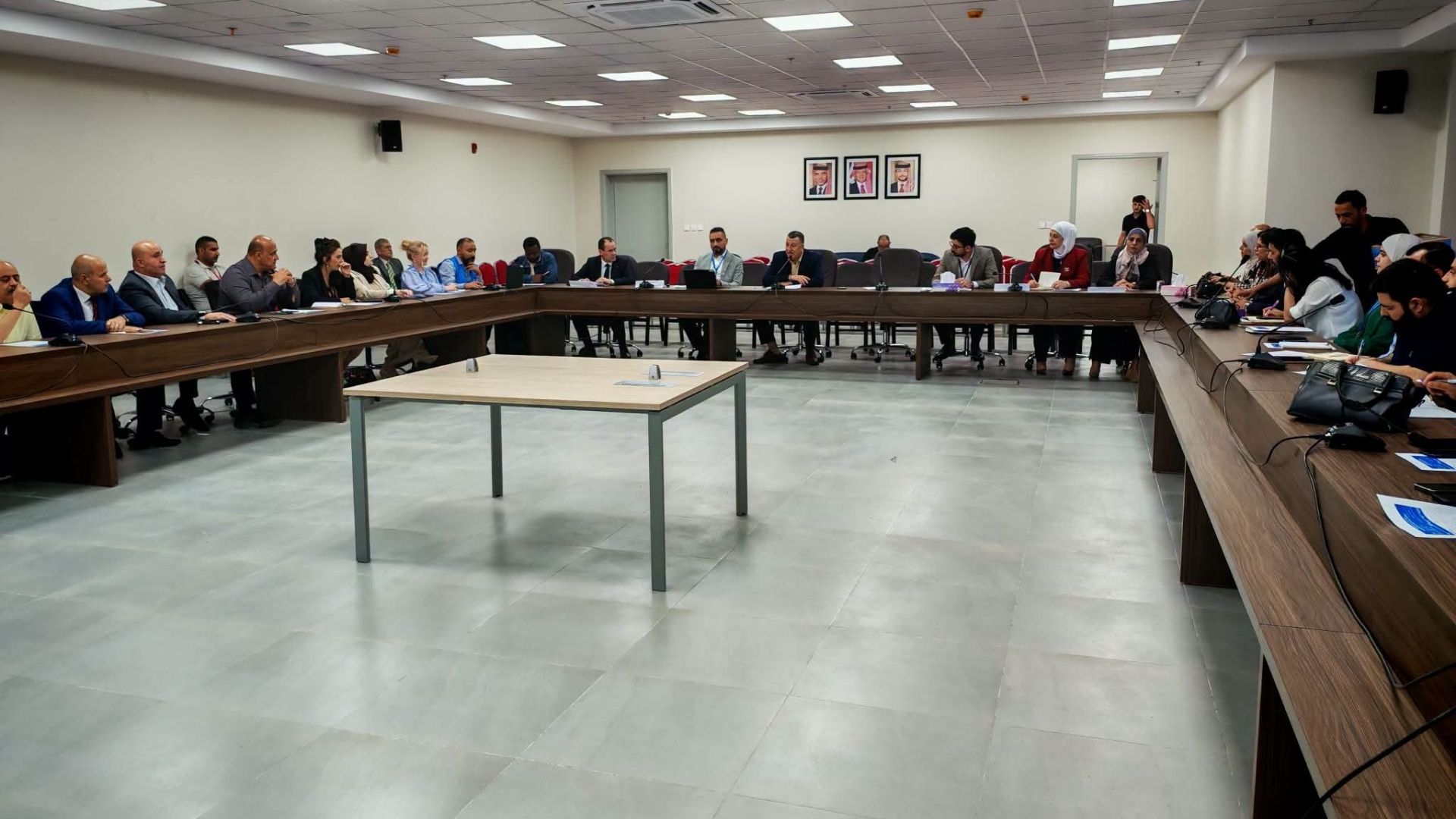
Irbid, July 15 (Petra) — A meeting held in Irbid on Wednesday
reviewed mechanisms to strengthen humanitarian response and
coordination among government, civil society and international
organizations working on refugee affairs within the framework of the
Irbid Multisector Working Group.
Organized by the United Nations High Commissioner for Refugees
(UNHCR), the meeting brought together Irbid Assistant Governor for
Development Rami Obaidat, Irbid Governorate Council Head Munther
Bataineh, and representatives of official institutions, international
organizations and local entities.
The event aimed to enhance cooperation among humanitarian partners,
promote integration and transparency, reduce duplication of services,
address challenges, review implemented programs and projects, and
ensure they reach beneficiaries efficiently.
Obaidat said Irbid Governorate places “remarkable” importance on
strengthening partnerships between government institutions,
international organizations and local entities to improve service
delivery and support the implementation of development and
humanitarian programs.
Praising UNHCR’s role and its partners in supporting refugees and
host communities, he noted the governorate’s hosting of “large”
numbers of refugees has increased population density and demand for
various services, creating economic and development challenges that
require “stronger” cooperation with supporting organizations.
Obaidat also highlighted Irbid’s economic, industrial and
agricultural potential, as well as available investment and
development opportunities.
Meanwhile, Head of UNHCR’s Irbid Field Unit, Osama Alomari reviewed
the agency’s key programs, humanitarian response plans and
partnerships with organizations operating in the sector.
He said current funding challenges require “stronger” coordination
among partners to improve the geographic distribution of services,
maximize available resources and reduce duplication of assistance
provided to registered refugees.
He added that the number of refugees registered with UNHCR in Irbid
has declined due to voluntary returns to Syria, reaching 63,519.
The meeting featured presentations by participating entities on
developments in services and livelihoods, implemented projects,
progress rates and outstanding needs, along with discussions to
exchange expertise and enhance coordination among stakeholders.
//Petra// NQ