Saudi Arabia’s Voluntary Carbon Market Fuels the Shift to a Low-Carbon

Under UAE President’s directives, UAE launches urgent relief response for Ghana flood victims

Combating Desertification and Drought: Qatar a Model in Preserving Natural Resources, Establishing Environmental Stability
UAE allocates US$30 million for emergency humanitarian response in El Obeid, calls for civilian protection, safe humanitarian aid access in Sudan

Amman, Sept. 16 (Petra) – Jordan is continuing efforts to protect the
ozone layer and expand the use of sustainable, energy-efficient
cooling technologies as part of its climate and green economy
policies, Minister of Environment Ayman Suleiman said Wednesday.
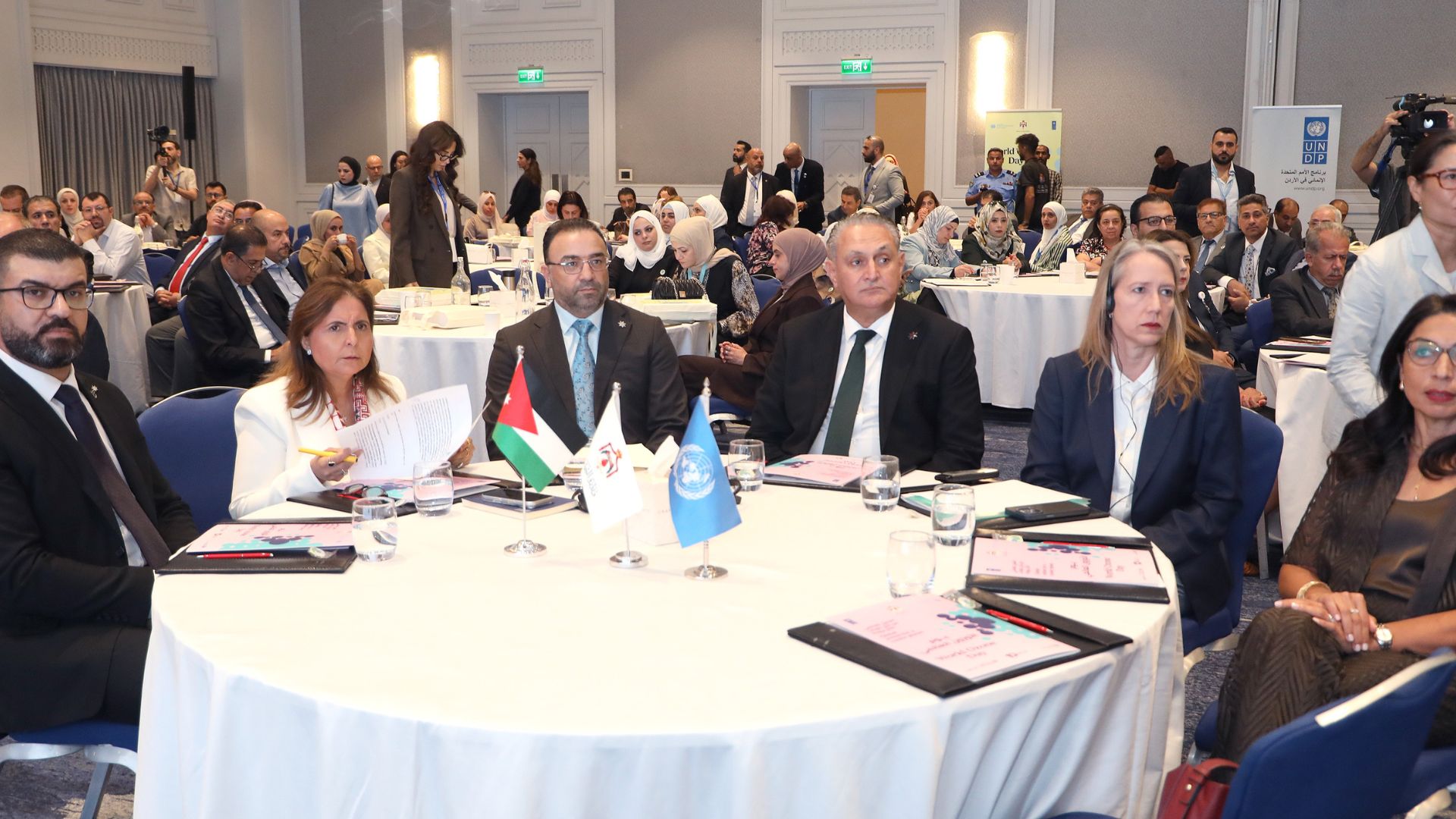
Suleiman made the remarks during a ceremony marking World Ozone Day,
observed annually on September 16, under the theme “Global Action for
a Cooler Planet.” The event also marked the 10th anniversary of the
Kigali Amendment to the Montreal Protocol and brought together
ambassadors, representatives of United Nations agencies, the
industrial sector, and national partners.
He said implementation of the Kigali Amendment and the transition to
more sustainable cooling technologies support Jordan’s climate
action, energy-efficiency, and sustainable development objectives.
Suleiman added that Jordan views its international commitments as an
opportunity to modernize productive sectors, develop national
expertise, encourage innovation and technology transfer, and reduce
the use of substances with adverse environmental and climate impacts.
He stressed the importance of cooperation with the private sector,
national institutions, and international partners to develop the
refrigeration and air-conditioning sector, expand training and
capacity-building, and increase the use of alternative refrigerants
and modern technologies.
United Nations Resident Coordinator in Jordan Sheri Ritsema-Anderson
said Jordan’s progress in protecting the ozone layer reflects
cooperation among the government, UN agencies, the private sector,
and development partners. She called for further efforts to expand
access to affordable sustainable cooling solutions and accelerate
climate action.
A panel discussion held during the event examined Jordan’s
implementation of the Montreal Protocol, the future of sustainable
cooling, energy efficiency, innovation, technology transfer,
financing, and partnerships supporting the green transition.
Participants included Ministry of Environment Secretary-General Omar
Arabiyat, United Nations Industrial Development Organization (UNIDO)
representative Sulafa Madanat, United Nations Development Program
(UNDP) Deputy Resident Representative in Jordan Majida Assaf, UNDP
representative Randa Aboul-Hosn, and representatives of the
industrial sector and national institutions.
Arabiyat called for expanding cooperation among government
institutions, the private sector, and international organizations to
support sustainable cooling, innovation, technology transfer, and
national capacity-building.
Madanat said UNIDO would continue supporting Jordan’s implementation
of the Montreal Protocol and Kigali Amendment through technology
transfer, industrial modernization, technical capacity-building, and
efforts to mobilize green financing.
Assaf said UNDP is working with the government and partners to move
beyond pilot projects and develop financing mechanisms that enable
businesses to adopt sustainable cooling solutions.
She cited projects at the Aqaba Marine Reserve and the new Amman
Customs Center in Madouneh as practical examples of the use of
natural refrigerants, adding that future efforts would focus on
linking such technologies with financing, skills, and partnerships
needed for wider adoption.
Participants said Jordan’s ozone-protection efforts have included the
phase-out of ozone-depleting substances, modernization of
technologies and production lines, capacity-building for workers in
the refrigeration and air-conditioning sector, and strengthened
monitoring and training systems.
The discussion also addressed the implementation of the Kigali
Amendment and wider adoption of energy-efficient cooling alternatives
with a lower climate impact, as well as links between ozone
protection, climate action, energy efficiency, and industrial
development.
At the conclusion of the ceremony, Arabiyat, deputizing for the
environment minister, honored institutions, companies, and national
partners involved in implementing Montreal Protocol programs and
projects in Jordan.
//Petra// AO