Saudi Arabia’s Voluntary Carbon Market Fuels the Shift to a Low-Carbon

Under UAE President’s directives, UAE launches urgent relief response for Ghana flood victims

Combating Desertification and Drought: Qatar a Model in Preserving Natural Resources, Establishing Environmental Stability

UAE allocates US$30 million for emergency humanitarian response in El Obeid, calls for civilian protection, safe humanitarian aid access in Sudan

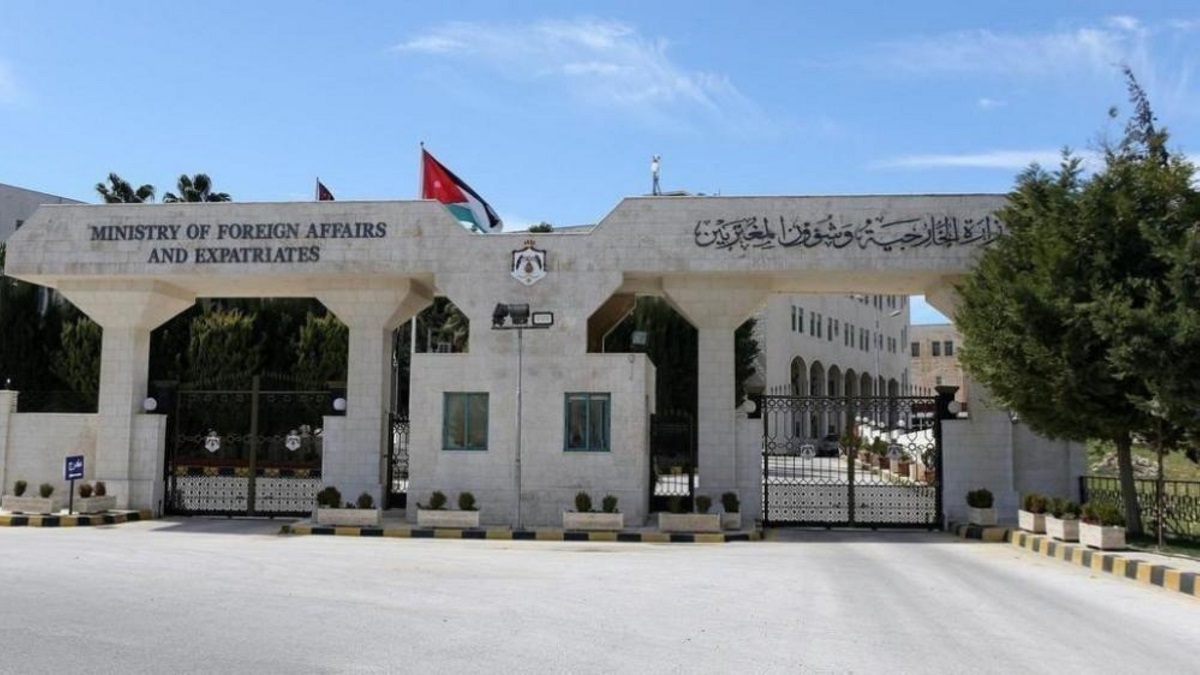
Amman, Sept. 6 (Petra) — Jordan and seven other countries on Sunday
condemned statements by Israeli National Security Minister Itamar
Ben-Gvir and Defense Minister Israel Katz advocating the displacement
of Palestinians from the Gaza Strip, warning against turning such
calls into official policy or measures on the ground.
The foreign ministers of Jordan, the United Arab Emirates, Indonesia,
Pakistan, Türkiye, Saudi Arabia, Qatar and Egypt said in a joint
statement that proposals to forcibly remove Palestinians from their
land constitute a flagrant violation of international law, including
international humanitarian law, and directly threaten the Palestinian
people’s legitimate and inalienable rights.
They categorically rejected any attempt or plan to displace
Palestinians, whether within or outside the occupied Palestinian
territory, regardless of the justification or terminology used.
The ministers warned of serious consequences if calls for forced
displacement were translated into declared policies or practical
steps aimed at uprooting Palestinians from their land.
They said such measures would directly undermine international
efforts to achieve peace, including President Donald Trump’s
comprehensive plan to end the conflict in Gaza, which rejects the
forced displacement of Palestinians, and could jeopardize prospects
for stability across the region.
The ministers reaffirmed that the Gaza Strip is an integral part of
the occupied Palestinian territory and stressed the need to preserve
the territorial unity of Gaza and the West Bank, including East
Jerusalem.
They reiterated their position that a just and lasting peace can only
be achieved through implementation of the two-state solution and the
establishment of an independent Palestinian state along the June 4,
1967 lines, with East Jerusalem as its capital, in accordance with
relevant international resolutions.
The ministers urged the international community, particularly the
United Nations Security Council, to fulfill its responsibilities by
firmly opposing attempts to impose new demographic or geographic
realities in the occupied Palestinian territory and ensuring respect
for international law.
They also reaffirmed their support for the Palestinian people’s right
to remain on their land and rejected attempts to undermine their
legitimate rights or erase the Palestinian cause.
//Petra// RZ