ENV-KUWAIT-SUSTAINABLITYKuwait strengthens environmental sustainability through strategic initiativesBy Zahra Al-Kadhmi

HLT-KUWAIT-SURGERYKuwait advances health sector with robotic, remote surgeryBy Mohammad Al-Moseb

Saudi Arabia’s Voluntary Carbon Market Fuels the Shift to a Low-Carbon

Under UAE President’s directives, UAE launches urgent relief response for Ghana flood victims

Amman, July 25 (Petra) – Jordanian agricultural exports recorded
“significant growth” during the first half of 2026, driven by
increased exports of vegetables, fruits, and several animal products,
Ministry of Agriculture announced.
In a statement on Saturday, the ministry said this increase reflects
the “growing” capacity of Jordanian agricultural products to access
foreign markets and strengthen their export presence, despite the
challenges facing the sector, primarily the rising costs of
production inputs, energy, transportation, and logistics.
Cumulative export indicators during the January-June period showed a
14% surge in vegetable and fruit exports, compared to the same period
in 2025, reaching approximately 281,700 tons.
The ministry said vegetable exports also rose by 13.1%, and fruit
exports by 18%.
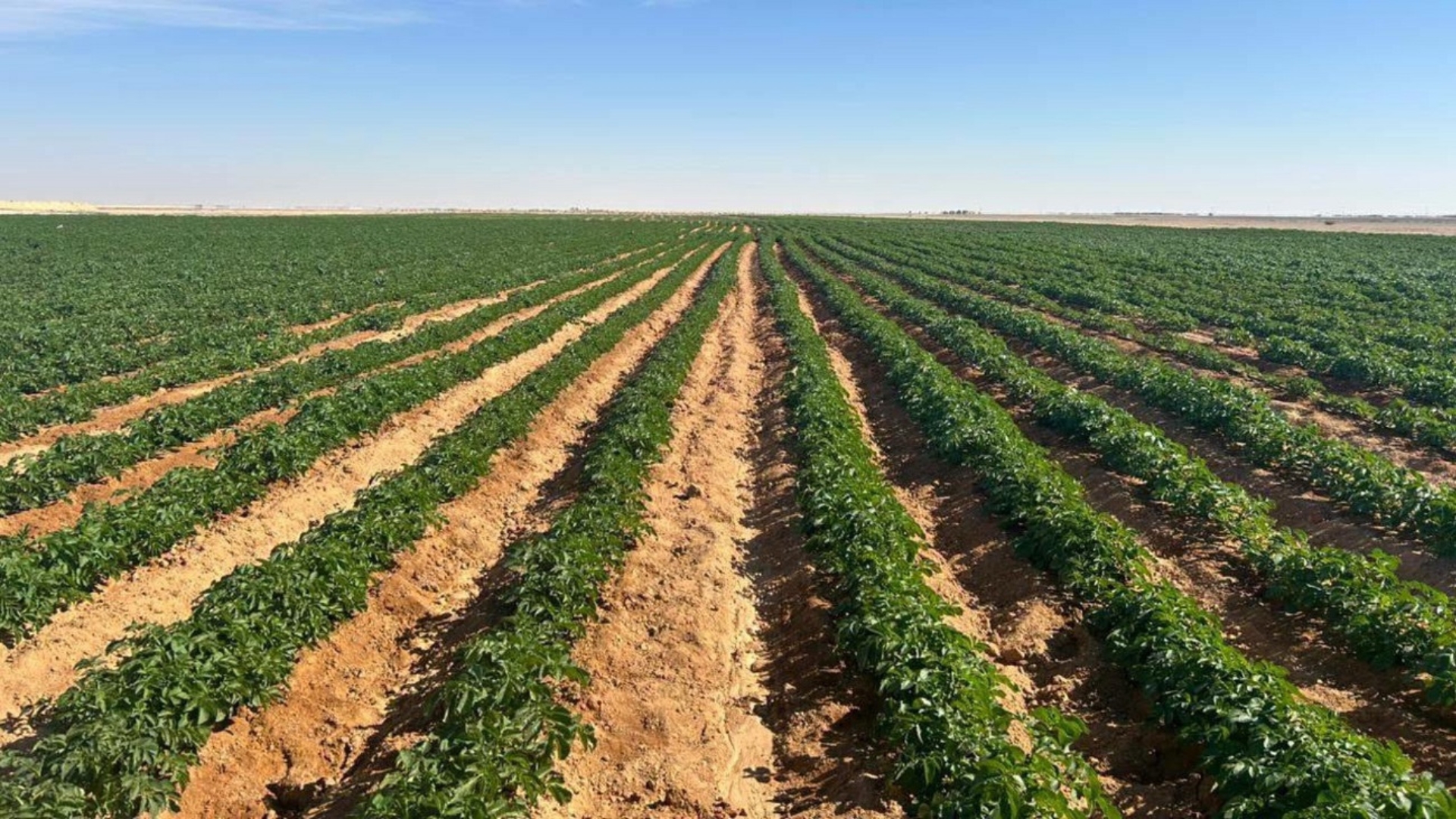
Additionally, several crops recorded “remarkable” growth. Potato
exports surged by 200% to reach approximately 12,000 tons, compared
to about 4,000 tons during the same period last year.
Watermelon exports also jumped by 285%, reaching 26,137 tons,
compared to 6,795 tons – nearly 4 times the amount exported during
the same period in 2025.
Carrot exports achieved exceptional growth, reflecting “improved”
marketing opportunities for Jordanian agricultural products and
opening of new export markets.
In the livestock sector, hatching egg exports increased by 160% to
reach approximately 78 million eggs, while table egg exports rose by
71% to reach about 135 million eggs, indicating the continued
“competitiveness” of Jordanian livestock products in foreign markets.
Conversely, live sheep exports reached nearly 163,000 head, compared
to 515,000 head during the same period last year, marking a decrease
of 68.3%.
The ministry said this decline was due to regulatory measures taken
to ensure an “ample” supply in the local market and meet consumer
needs, mainly during the holy month of Ramadan and Eid al-Adha.
The ministry said the increase in exports was not reflected in the
prices of agricultural products in the local market.
Consumer Price Index data issued by the Department of Statistics
(DoS) showed a decrease in vegetable prices during the first quarter
of 2026, compared to the same period in 2025.
Meat and poultry prices also dropped by 6.9%, despite an increase in
animal product exports.
The ministry indicated that these results reflect “success” of the
policies implemented to achieve a balance between boosting exports
and maintaining the stability of the local market, which ensures an
abundance of products for consumers and supports “competitiveness” of
Jordanian products in foreign markets.
Regarding economic performance, the ministry noted the Kingdom’s
agricultural sector recorded the “highest” growth rate among economic
activities during the first quarter of 2026, according to GDP data at
constant prices.
The sector rose to approximately JD608 million, compared to JD570
million during the same period in 2025, recording an increase of
JD38 million, representing a growth rate of 6.7%.
The ministry affirmed these indicators reflect “resilience” of
Jordan’s agricultural sector and its ability to continue growing and
strengthening its presence in foreign markets, despite the challenges
associated with rising production, energy, transportation, and
agricultural input costs.
Calling for maintaining support to producers and enhancing the
sector’s sustainability, The ministry said this effort would achieve
a balance between export development, domestic market stability, and
bolster agriculture’s contribution to the national economy and food
security.
//Petra// AG