Saudi Arabia’s Voluntary Carbon Market Fuels the Shift to a Low-Carbon

Under UAE President’s directives, UAE launches urgent relief response for Ghana flood victims

Combating Desertification and Drought: Qatar a Model in Preserving Natural Resources, Establishing Environmental Stability
UAE allocates US$30 million for emergency humanitarian response in El Obeid, calls for civilian protection, safe humanitarian aid access in Sudan

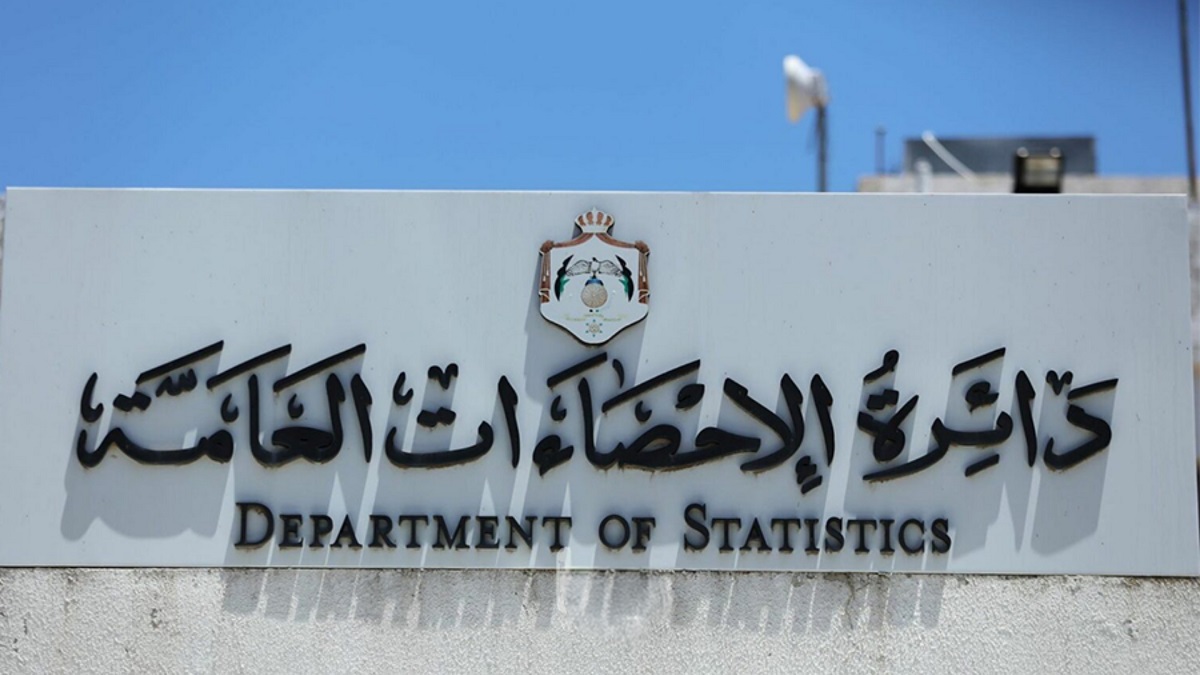
AMMAN, Sept. 8 (Petra) – Jordan has registered a notable decline in
its national illiteracy rate over recent decades, dropping from 11.0
percent in 2000 down to 4.5 percent in 2025.
Marking International Literacy Day-observed annually on September
8-the Department of Statistics (DoS) highlighted findings from the
2025 Labour Force Survey, which reflect sustained downward trends in
illiteracy across both genders. The government continues to step up
targeted initiatives to bridge remaining educational gaps, focusing
heavily on vulnerable demographics to promote equitable, lifelong
learning.
Ministry of Education data for 2024 revealed that participation rates
in formal and non-formal education and training among individuals
aged 15 and above reached 40.5 percent (35.5 percent for males and
45.5 percent for females).
The Labour Force Survey demonstrated that illiteracy is lowest among
young Jordanians aged 15 to 24, standing at just 0.7 percent. This
reflects the high efficacy of national education policies and places
the country on the brink of eradicating youth illiteracy. Conversely,
the highest concentration of illiteracy remains among adults aged 65
and older, at 21.7 percent, underscoring ongoing structural
challenges in reaching older demographics.
Illiteracy rates among the economically active population also remain
exceptionally low, recorded at 0.4 percent for employed Jordanians
aged 15 and above, 0.3 percent for the unemployed, and 6.7 percent
for economically inactive individuals.
Eradicating illiteracy is a core Sustainable Development Goal (SDG).
UNESCO actively assists Jordan in curbing adult illiteracy by 2030,
supported by continuous collaboration between successive governments,
international bodies, and local civil society organizations.
Observed worldwide since 1967, International Literacy Day serves as a
vital reminder to policymakers, experts, and communities of the
developmental barriers posed by illiteracy, renewing global
commitments to educational equity and inclusion.
//Petra// AA